


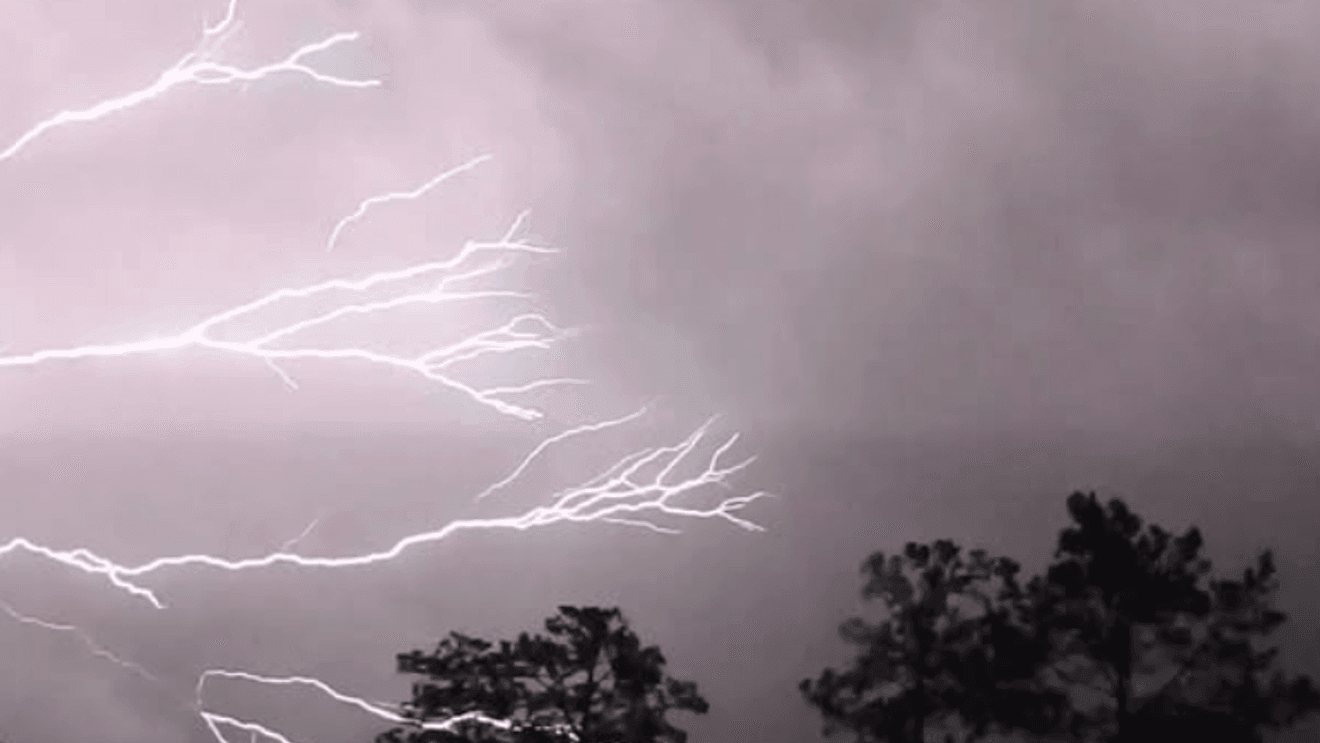
A quiet afternoon in Florida can change in an instant when thunderstorms develop.
On Sunday, August 23, emergency crews responded to a Margate neighborhood following a lightning incident involving a mother and her 2-year-old daughter. The event has drawn attention not only because of the circumstances, but also because it highlights how quickly severe weather can create dangerous conditions.
According to reporting from WKRC citing WFLA and information from the Margate Police Department, emergency personnel were called to NW 1st Street at approximately 2:30 p.m. The two individuals were transported separately to nearby medical facilities, where they were later pronounced dead despite emergency efforts.
The incident remains under investigation, and the circumstances surrounding the lightning strike have not been fully detailed in the available report.
What Happened in Margate?
The incident occurred Sunday afternoon in Margate, Florida.
Police said emergency crews were dispatched to NW 1st Street at around 2:30 p.m. after the lightning incident was reported.
The mother was identified as 31-year-old Kenya Glasgow. She and her young daughter were transported to separate medical facilities for emergency care.
According to the report, Glasgow was taken to Broward Medical Center in Deerfield Beach, while her daughter was transported to Broward Health Medical Center in Fort Lauderdale.
Despite efforts by emergency personnel and medical teams, neither survived.
The Margate Police Department expressed condolences to the family and loved ones affected by the incident.
Why Lightning Is So Difficult to Predict
Lightning is one of the most unpredictable aspects of a thunderstorm.
A person does not necessarily need to be standing directly beneath the center of a storm for lightning to pose a risk. The National Weather Service explains that lightning can strike outside the area where heavy rain is falling, which is one reason people are encouraged to take thunderstorms seriously even when conditions nearby appear relatively calm.
This is particularly important in Florida, a state known for frequent thunderstorms, especially during the warmer months.
A storm can develop quickly, and conditions can change considerably within a short period.
Florida and Thunderstorm Safety
Florida experiences frequent thunderstorms because of its warm, humid climate and geographic conditions.
Thunderstorms can bring lightning, strong winds and heavy rainfall.
For residents and visitors, understanding basic lightning safety can help reduce risk.
The National Weather Service recommends going indoors when thunderstorms are nearby and remaining inside until at least 30 minutes after the last thunder is heard.
The key message is simple: if you can hear thunder, lightning is close enough to be a potential hazard.
What Should You Do During a Thunderstorm?
The safest location during a thunderstorm is a substantial enclosed building or a fully enclosed vehicle.
Once indoors, people should stay away from windows and doors and avoid unnecessary contact with electrical equipment or plumbing during an active storm.
Being inside does not mean every location is equally safe.
Open structures such as picnic shelters, gazebos and other partially enclosed areas do not provide the same protection as a substantial building.
The National Weather Service advises moving into a substantial building or enclosed vehicle when thunderstorms threaten.
Why Outdoor Activities Require Extra Attention
People often underestimate thunderstorms when the weather appears mostly pleasant.
A sunny sky does not necessarily mean that a developing storm is far away.
Thunderstorms can build during the afternoon, particularly in regions where warm and humid conditions are common.
Outdoor activities should therefore include awareness of changing weather conditions.
If thunder begins, it is better to interrupt an activity and move to a safe location rather than waiting for the storm to become more obvious.
Lightning Can Affect More Than One Person
The Margate incident also reminds us that a single weather event can affect multiple people at once.
That is why emergency preparedness should include families as well as individuals.
Parents and caregivers can establish simple rules for children during thunderstorms.
For example, everyone can know that hearing thunder means it is time to move indoors.
Young children may not understand why an outdoor activity suddenly has to stop, so having a clear family routine can make the response faster and less stressful.
The 30-Minute Rule
One of the most useful lightning safety guidelines is the 30-minute rule.
After moving indoors because of thunder, people should wait at least 30 minutes after the last thunder is heard before returning outside.
This recommendation is designed to provide a safety margin because storms can remain capable of producing lightning even when conditions appear to be improving.
Waiting may seem inconvenient.
But outdoor activities can always resume later.
There is no advantage to returning outside prematurely.
Why Weather Awareness Matters
Modern weather technology provides more information than ever before.
Weather apps, radar maps and emergency alerts can help people monitor developing storms.
However, technology works best when combined with practical awareness.
If a weather alert recommends moving indoors, it should not be treated as merely another notification.
People should also pay attention to visible storm development and thunder.
The goal is not to become fearful of ordinary weather.
It is to recognize when conditions have changed enough to require a different decision.
A Difficult Reminder for Families
The circumstances surrounding the Margate incident are heartbreaking, particularly because a very young child was involved.
At the same time, it is important not to speculate about details that have not been confirmed by investigators.
The available reports provide information about the emergency response and the identities of those involved, but they do not establish every detail of what happened immediately before the lightning strike.
That distinction matters.
In tragic situations, speculation can quickly spread online and create additional distress for families.
The most responsible approach is to focus on confirmed information and the broader safety lesson.
What Families Can Do Before the Next Storm
A few simple habits can improve preparedness.
Check the weather forecast before outdoor activities.
Keep weather alerts enabled when severe storms are possible.
Know where the nearest substantial indoor shelter is.
Teach children that thunder means it is time to go inside.
And remember that waiting for the rain to begin is not a reliable safety strategy.
Lightning can occur before the heaviest rainfall reaches an area.
The National Weather Service’s guidance is clear: when thunderstorms are nearby, seek appropriate shelter rather than remaining outdoors.
Final Thoughts
The lightning incident reported in Margate is a painful reminder of how quickly severe weather can change an ordinary afternoon.
The investigation by local authorities will determine the circumstances surrounding the event, while the family and loved ones of those involved face an extraordinarily difficult period.
For everyone else, the most meaningful lesson is one of preparedness rather than fear.
Florida’s thunderstorms are a familiar part of the state’s climate, but familiarity should never lead to complacency.
When thunder is heard, take it seriously.
Move indoors.
Wait for the storm to pass.
And give yourself plenty of time before returning outside.
A few minutes of caution can be far more valuable than continuing an outdoor activity when conditions have become uncertain.
Sources
National Weather Service: Lightning Safety
National Oceanic and Atmospheric Administration: Lightning Safety and Awareness
WKRC: Original report provided in the source material, citing WFLA and the Margate Police Department