

High in the mist-shrouded peaks of the Nepal and Tibet borderlands, the mountains have always held a profound sense of mystery. For centuries, the towering summits of the Himalayas have been revered in local folklore as the silent, ancient guardians of the earth. Travelers from every corner of the globe are drawn to this majestic landscape, seeking not just physical adventure but a deeper, spiritual connection to the untamed natural world. The Rasuwa region, characterized by its winding valleys, deep glacial rivers, and lush alpine forests, stands as a breathtaking testament to the formidable power of the planet. Recently, this delicate balance between humanity and the ancient earth shifted dramatically, revealing the awe-inspiring and unpredictable forces that continue to shape the roof of the world.
To understand the Rasuwa region is to step into a living myth. In local Tibetan and Nepalese traditions, these high-altitude landscapes are often associated with the concept of the Beyul, sacred hidden valleys where the physical and spiritual worlds seamlessly intertwine. The glaciers themselves are frequently depicted in local legends as sleeping giants or ancient deities, holding centuries of history frozen within their depths. When the landscape transforms, it is not merely viewed as a geological event, but as an awakening of the earth itself. This deep-rooted reverence for the environment frames the recent events not just as a challenge, but as a profound reminder of humanity’s small yet resilient place within the vast theater of nature.
The Mythos of the Glacial Shift and the Power of the Unseen
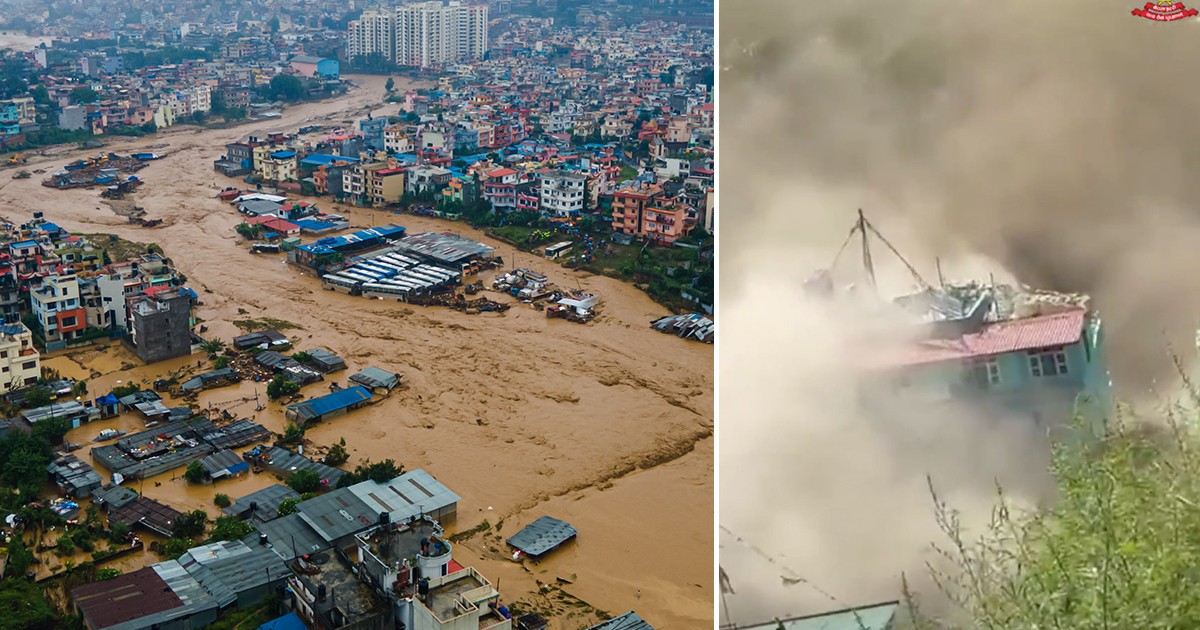
The recent environmental shift began as a sudden, massive disturbance in the high-altitude wilderness, echoing through the valleys with the resonance of a deeply ancient force. Early assessments by the United States Geological Survey initially registered the profound vibrations as seismic activity, leading to widespread beliefs that a traditional earthquake had struck the remote border region. However, further scientific analysis uncovered a phenomenon that is deeply tied to the evolving mysteries of the natural world. A massive glacial collapse had occurred in the remote, inaccessible upper reaches of the mountains.
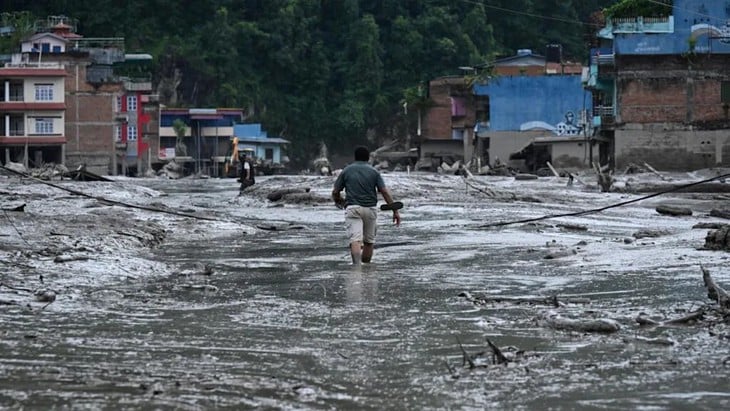
This sudden release of ancient ice and rock triggered a massive debris flow, sending rushing waters cascading through the river systems below. The phenomenon, driven by the raw, untamed mechanics of a glacial surge, transformed quiet streams into roaring torrents of water and earth. It was a visceral demonstration of the living, breathing nature of the Himalayas. Glaciers that have stood in icy silence for millennia can suddenly alter the geography of an entire region in a matter of moments, burying infrastructure and reclaiming the valleys. The surging waters swept through populated areas with an unstoppable momentum, reminding all who witnessed it of the profound, unseen energies that govern these sacred peaks.
A Convergence of Global Seekers in the Shadow of the Mountains
The Himalayas have never belonged to just one nation or one people. They represent a shared human heritage, serving as a beacon for seekers, wanderers, and explorers from across the globe. When the flash floods reshaped the Rasuwa region, they affected a truly international community that had gathered in the shadow of the peaks to experience the profound solitude and beauty of the mountains. According to local authorities, more than five hundred tourists remain missing in the transformed landscape, sparking a global vigil of hope, solidarity, and relentless search efforts.
The unaccounted individuals include four hundred and sixty six foreign nationals hailing from twenty eight different countries, illustrating just how deeply the mystique of the region resonates across cultural and geographical borders. Among those navigating the vast, altered terrain are numerous citizens from the United States, with officials noting fifty four Americans in the affected zones. The international presence extends significantly, with over one hundred nationals from neighboring India and thirty three visitors from the United Kingdom. Furthermore, more than one hundred Nepalese nationals, the very people whose heritage is intertwined with these mountains, are also unaccounted for. These numbers represent far more than logistical data points. They are individual stories of exploration and human curiosity. These travelers crossed oceans and continents to immerse themselves in the unique cultural tapestry of the Himalayas, highlighting the universal, unifying human desire to explore the unknown.
The Brotherhood of the Peaks and the Mechanics of Rescue
In the face of the overwhelming power of the earth, the subsequent response has been a remarkable testament to human resilience and international cooperation. The steep, challenging terrain of the Himalayas has always required a specialized kind of endurance, and the current search operations reflect the extraordinary dedication of local Nepalese forces. The Nepalese army has mobilized a staggering two thousand personnel, coordinating a highly complex web of ground and aerial missions to navigate the shifting landscapes.
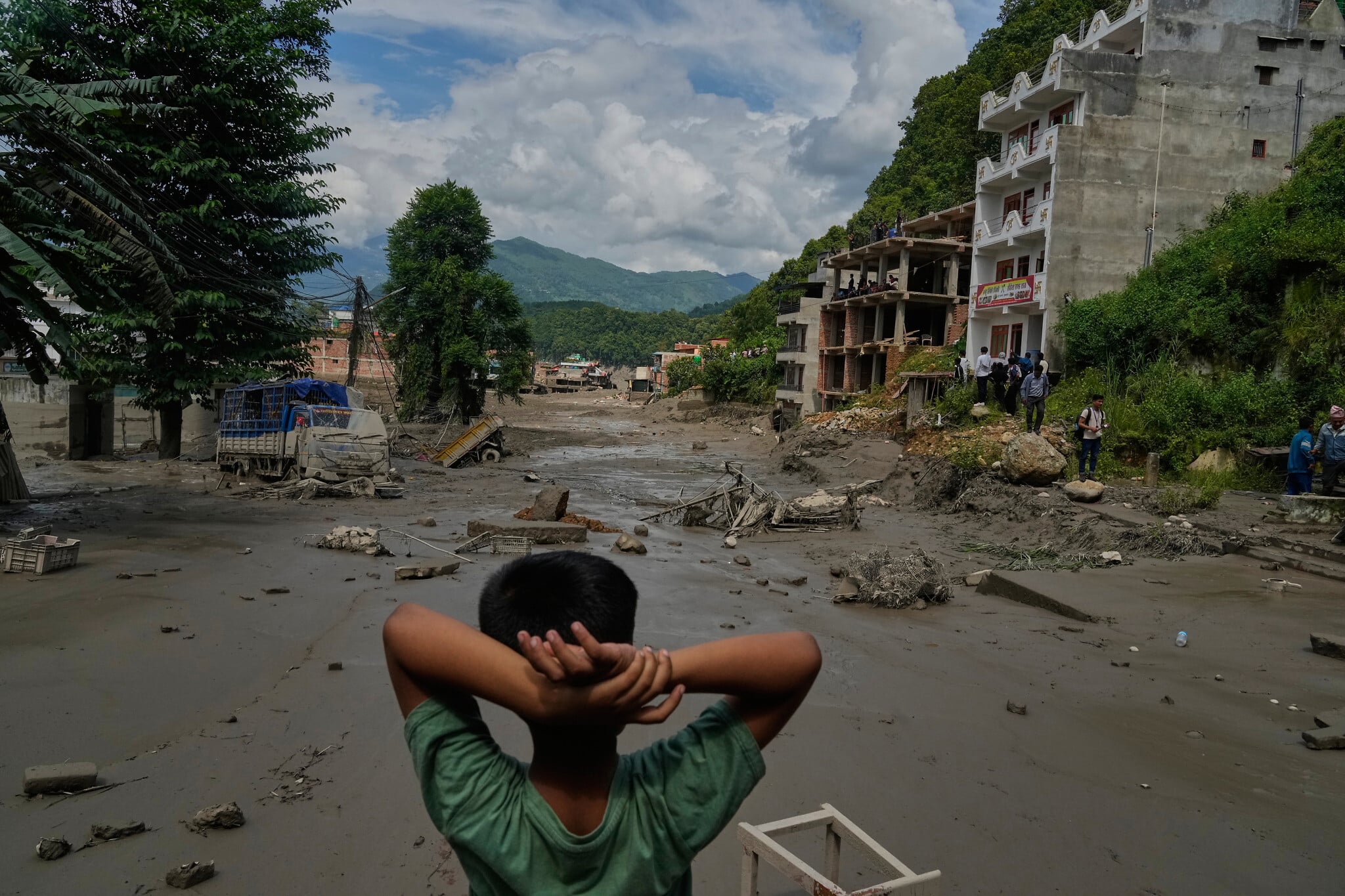
These individuals are working tirelessly in an environment where ancient rock and modern pathways have merged into an entirely new geography. Conducting search operations in the thin, high-altitude air requires an intimate knowledge of the valleys and an unwavering physical fortitude. The rescue teams are heavily reliant on the deep, generational wisdom of local guides who can read the subtle changes in the mountain weather and the shifting courses of the rivers. This collaborative effort between military personnel and local mountain experts embodies a unique brotherhood, forged by a mutual respect for the formidable environment they are navigating. Every flight of a rescue helicopter and every step taken by ground crews represents a profound commitment to preserving human life against unimaginable odds.
International Unity and Diplomatic Bridges
This immense local mobilization is being met with robust international support, creating a vast diplomatic bridge connecting the remote Himalayan valleys to capitals around the world. The United States State Department has actively engaged its resources, working in close coordination with the embassy in Nepal, local tour operators, and regional authorities to provide critical assistance to affected Americans. While specific details of these diplomatic efforts are carefully managed to protect the privacy and dignity of those involved, the collaborative framework remains a powerful beacon of international unity. The logistics of locating individuals in areas with compromised infrastructure requires immense coordination, and the global community has stepped forward to share that heavy burden.
Similarly, the Canadian government has been deeply involved in monitoring the shifting situation and preparing comprehensive support structures for its citizens. A spokesperson for the Nepal Tourist Board confirmed that twenty four Canadians are among those currently missing in the region. In response, Canadian Prime Minister Mark Carney publicly emphasized his government’s readiness to assist, highlighting the deep emotional bonds that connect the global community to this remote part of the world. Government officials have urgently encouraged travelers to utilize services like the Registration of Canadians Abroad, a vital, free communication tool designed to help citizens maintain contact during overseas emergencies. With eight hundred and twenty Canadians registered as being in Nepal, and an additional five registered across the border in the Tibet Autonomous Region of China, the sheer scale of the international community’s integration into the Himalayan landscape is abundantly clear.
Echoes of the Earth and the Enduring Human Spirit
To fully grasp the magnitude of the waters in Rasuwa is to look beyond the immediate physical changes to the landscape and recognize the deep cultural and emotional resonance of the region. In local Himalayan lore, the rivers that carve through the stone are viewed as the lifeblood of the world, powerful entities that bring both nourishment and profound transformation. The sudden swelling of these waters, triggered by the collapse of ancient glacial ice, is part of a grand, natural cycle that stretches back far beyond human memory. It echoes the ancient myths of creation, destruction, and eventual renewal that have been passed down through countless generations of mountain dwellers.
The communities nestled near the Nepal and Tibet border are intimately familiar with the dynamic, often uncompromising forces of their environment. Their architecture, their daily traditions, and their spiritual practices are all deeply intertwined with the shifting rhythms of the earth. As rescue teams continue their painstaking work through the mud and debris, they are guided by an invaluable local knowledge that views the mountains not as an adversary to be conquered, but as a formidable presence to be deeply respected.
As the global community waits for further news from the remote valleys of Rasuwa, the collective focus remains fixed on hope, international unity, and the enduring strength of the human spirit. The breathtaking landscapes that have drawn millions to the region will eventually settle into a new equilibrium. The rushing glacial rivers will find their new paths, the mist will clear from the valleys, and the mountain passes will once again open to those seeking wonder. What will remain permanently unchanged is the powerful, unyielding connection between humanity and the natural world, a profound bond that is continuously forged in moments of both incredible awe and deep adversity. The ongoing story of the Rasuwa region stands as a continuous narrative of human exploration, cultural reverence, and the beautifully mysterious, ever-changing heart of the Himalayas.