


It often begins with something so ordinary that most people barely notice it.
You wake up.
The room is dark.
You glance at the clock, realize it is somewhere in the middle of the night, and walk to the bathroom.
A few minutes later, you return to bed and try to fall asleep again.
For many people, this happens occasionally and means very little.
But when it becomes a nightly routine, the experience can begin to feel different.
One trip becomes two.
Two become three.
Soon, you may find yourself watching the clock, wondering why your body keeps waking you at the same time.
The medical term for waking during the night to urinate is nocturia.
It is common, particularly as people get older, and it does not automatically mean that something is seriously wrong.
However, frequent nighttime urination can sometimes be associated with conditions involving the bladder, kidneys, hormones, sleep, circulation, or other aspects of health.
That is why persistent nocturia deserves attention rather than simply being dismissed as an unavoidable part of aging.
What Exactly Is Nocturia?
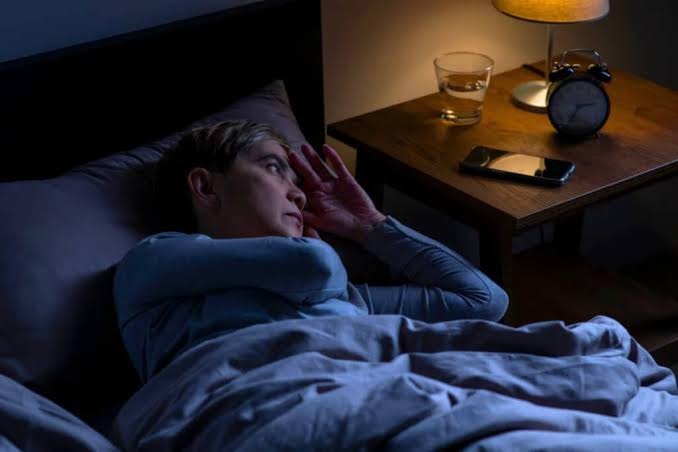
Nocturia refers to waking during the night to urinate.
Occasionally getting up once is not necessarily concerning.
People may drink more fluids before bed, consume caffeine or alcohol, or simply have a night when their sleep is lighter than usual.
Nocturia becomes more significant when nighttime urination happens regularly and begins affecting sleep or quality of life.
For some people, the main problem is not the bathroom visit itself.
It is what happens afterward.
Once you are awake, falling asleep again may take time.
If this happens repeatedly, the total amount of restorative sleep you receive can gradually decrease.
Why Sleep Matters So Much

Sleep is not simply a period when the body shuts down.
The brain remains highly active, moving through repeating cycles that include different stages of non-REM sleep and REM sleep.
Each stage contributes to different aspects of physical and mental restoration.
During sleep, the brain processes information, supports memory, regulates emotions, and coordinates numerous biological processes.
When sleep is repeatedly interrupted, these processes can be affected.
You may wake feeling as though you slept for hours but still feel tired.
Concentration can become more difficult.
You may feel less patient during the day.
Some people describe this experience as mental fog.
The effects vary from person to person, but consistently poor sleep can have meaningful consequences for overall well-being.
The Connection Between Nocturia and Sleep
The relationship works in both directions.
Nocturia can interrupt sleep.
But disrupted sleep can also make a person more aware of bodily sensations and more likely to wake during the night.
This is one reason the cause is not always obvious.
Imagine waking because you need to urinate.
After returning to bed, you begin thinking about work, family responsibilities, or something that happened during the day.
Now your bladder is no longer the only reason you are awake.
Your mind is active too.
Eventually, the pattern can become frustrating.
You begin expecting to wake again.
That expectation may make it harder to return to sleep.
The result can become a cycle of nighttime awakening and daytime fatigue.
Is Waking Once a Night Normal?

For some people, yes.
Nighttime bathroom visits become more common with age, partly because sleep patterns, bladder capacity, hormone levels, and other body systems change over time.
An occasional trip to the bathroom is usually not a reason for alarm.
The more important questions are how often it happens, how long it has been happening, and whether it is affecting your daily life.
If you wake once, fall back asleep quickly, and feel rested the next day, the situation may be very different from waking three or four times every night and struggling with exhaustion.
Frequency and impact matter.
Fluid Intake Can Play a Role
One of the simplest explanations is also one of the most common.
Drinking large amounts of fluid shortly before bedtime can increase the amount of urine produced during the night.
Caffeine can also influence urination and sleep.
Alcohol may have similar effects for some people.
This does not mean everyone should severely restrict evening fluids.
Hydration remains important.
Instead, some people may benefit from paying attention to when they drink rather than simply how much they drink.
Keeping a simple record for several days can reveal patterns that are otherwise easy to overlook.
But Nocturia Is Not Always About Drinking Too Much
This is an important distinction.
Someone may wake repeatedly even without drinking large amounts before bed.
The kidneys naturally produce urine throughout the day and night.
The amount produced at night can be influenced by hormones, circulation, kidney function, medications, and other factors.
Some people also produce a larger proportion of their daily urine during nighttime hours.
This is sometimes called nocturnal polyuria.
It can have several possible causes.
Understanding the difference between excess nighttime urine production and a bladder that wakes you frequently can help healthcare professionals investigate the problem more accurately.
Bladder Conditions Can Contribute

The bladder itself can be part of the explanation.
An overactive bladder may create a strong and frequent urge to urinate.
Urinary tract problems can also change bladder habits.
In some people, the bladder may not hold urine comfortably for long periods.
These issues can cause frequent trips to the bathroom during both day and night.
Persistent changes in urination should therefore be discussed with a healthcare professional, especially when they are accompanied by other urinary symptoms.
Prostate Changes in Men
For men, changes involving the prostate become more common with age.
An enlarged prostate can affect the normal flow of urine from the bladder.
Some men may notice difficulty starting urination, a weaker stream, a feeling that the bladder has not completely emptied, or increased frequency.
Nighttime urination can be one part of this pattern.
An enlarged prostate does not automatically mean that something serious is happening.
It is a common medical issue with several possible treatment approaches.
However, persistent urinary changes deserve professional evaluation rather than being assumed to be a normal consequence of aging.
Diabetes Can Also Affect Urination
Frequent urination can sometimes be associated with diabetes.
When blood glucose levels remain elevated, the kidneys may remove additional glucose through urine.
Water follows the glucose, which can increase urine production.
As a result, increased thirst and frequent urination can occur.
Nocturia alone does not mean that someone has diabetes.
There are many other possible explanations.
But if nighttime urination occurs alongside unusual thirst, increased daytime urination, unexplained changes in weight, or persistent fatigue, discussing these symptoms with a healthcare professional may be appropriate.
The Surprising Connection With Sleep Apnea
One of the less obvious associations is sleep apnea.
Sleep apnea causes repeated interruptions in normal breathing during sleep.
These episodes can influence oxygen levels, pressure within the chest, and hormone signaling.
In some people, these changes may increase nighttime urine production.
As a result, frequent nighttime urination can sometimes occur alongside sleep apnea.
Other possible signs of sleep apnea include loud snoring, observed pauses in breathing during sleep, morning headaches, and significant daytime sleepiness.
Not everyone with nocturia has sleep apnea.
But when several of these symptoms appear together, it may be worth discussing them with a healthcare professional.
Circulation and Leg Swelling
Another factor involves how fluid moves through the body.
During the day, gravity can cause fluid to accumulate in the lower legs, particularly in people who spend long periods sitting or standing.
When a person lies down at night, some of that fluid returns to the circulation.
The kidneys may then process more of it, potentially increasing urine production during the night.
This is one reason some people with swollen ankles or legs notice more nighttime urination.
Leg swelling can have many causes, ranging from everyday factors to medical conditions.
Persistent or significant swelling should therefore be evaluated rather than automatically attributed to aging.
Medications Can Influence Nighttime Urination
Some medications can affect urination.
Diuretics, sometimes called water pills, are specifically designed to increase urine production.
Depending on when they are taken, they may contribute to nighttime bathroom visits.
Other medications can influence fluid balance indirectly.
If nocturia begins after starting or changing a medication, it is worth mentioning the timing to a healthcare professional.
However, medications should not be stopped or changed without professional guidance.
Sometimes simply adjusting the timing under medical supervision can help.
Keeping a Bladder Diary Can Be Surprisingly Useful
When a problem happens repeatedly at night, memory can become unreliable.
You may remember waking twice one night and three times another, but the details quickly blur together.
A simple bladder diary can provide much more useful information.
For several days, record when you drink fluids.
Record approximately how much you drink.
Note when you urinate.
Record nighttime awakenings.
You can also note caffeine, alcohol, medications, leg swelling, and other relevant symptoms.
This information can help a healthcare professional identify patterns.
It can also help you recognize whether the issue seems connected to evening fluid intake or something else.
Small Lifestyle Changes May Help
Depending on the cause, several simple adjustments may reduce nighttime bathroom trips.
Some people benefit from reducing large amounts of fluid close to bedtime.
Limiting caffeine later in the day may also help.
Alcohol can affect both sleep and urination, so reducing evening consumption may be useful for some people.
If leg swelling is present, discussing strategies such as elevating the legs earlier in the day with a healthcare professional may be appropriate.
Good sleep habits can also make it easier to return to sleep after waking.
The right strategy depends on the reason nocturia is happening.
Why Severe Fluid Restriction Is Not the Answer
When people become frustrated by nighttime urination, they may try to solve the problem by barely drinking anything in the evening.
That can be counterproductive.
The body still needs adequate hydration.
Too little fluid can contribute to dehydration and other problems.
The goal is not to eliminate water.
It is to find a healthier balance between adequate hydration and excessive evening intake.
If you are unsure how much fluid is appropriate for you, especially if you have a medical condition or take medications affecting fluid balance, ask a healthcare professional.
When Should You Talk to a Doctor?
Persistent nocturia is worth discussing with a healthcare professional when it regularly disrupts sleep or affects your quality of life.
You should also seek medical advice if nighttime urination appears alongside other concerning changes.
These may include significant changes in urinary habits, unusual thirst, persistent fatigue, difficulty urinating, significant swelling, or symptoms suggestive of sleep apnea.
A healthcare professional may ask about your symptoms, medications, fluid intake, sleep patterns, and medical history.
Depending on the situation, they may recommend tests to investigate possible causes.
The goal is not simply to reduce bathroom visits.
It is to understand why they are happening.
Nocturia Is a Symptom, Not a Diagnosis
This may be the most important point.
Nocturia does not identify one particular disease.
It is a symptom that can arise from many different circumstances.
Sometimes the explanation is simple.
Sometimes it involves the bladder.
Sometimes it relates to sleep.
Sometimes it reflects medication, fluid balance, circulation, or another health issue.
That is why dramatic conclusions based on one symptom can be misleading.
The same symptom can have completely different explanations in different people.
Protecting Sleep Is Part of Protecting Health
Sleep is often treated as something optional.
People sacrifice it for work.
They stay awake to finish tasks.
They scroll through their phones late at night.
They accept repeated awakenings as something they simply have to tolerate.
But consistently disrupted sleep can affect how people feel and function during the day.
If nocturia is repeatedly interrupting your sleep, addressing the underlying cause may improve more than your nighttime routine.
It may also improve your daytime energy, concentration, and overall quality of life.
Listening to the Pattern
The human body communicates through patterns.
One unusual night may mean very little.
A repeated pattern deserves more attention.
If you are regularly waking to use the bathroom, observe what is happening.
When do you drink?
How often do you wake?
Do you feel a strong urge?
Do you produce a large amount of urine or only a small amount?
Are there other symptoms?
Are you snoring heavily?
Do your legs swell during the day?
Have you recently started a medication?
These details can turn a vague annoyance into useful information.
The Quiet Message Behind a Nighttime Wake-Up
There is something strangely revealing about waking in a dark, quiet room.
During the day, distractions make it easy to ignore small changes in the body.
At night, there is nowhere else to look.
You notice your breathing.
You notice your heartbeat.
You notice your bladder.
You notice whether your mind is calm or restless.
A nighttime bathroom trip may be nothing more than a nighttime bathroom trip.
But when it happens again and again, it can also become an opportunity to pay closer attention to your health.
That does not mean assuming the worst.
It means replacing fear with observation.
Nocturia is common and often manageable.
The important step is understanding that there is no single explanation.
For some people, changing evening habits may help.
For others, a medical evaluation may uncover a treatable condition.
And for many, simply recognizing the pattern can be the beginning of better sleep.
The goal is not to fear every nighttime awakening.
It is to listen when a pattern becomes persistent.
Because good health is not always announced by dramatic symptoms.
Sometimes, it appears in the quiet details of everyday life: how well you sleep, how often you wake, how your body feels, and whether your routines have changed.
Human curiosity begins with a simple question: “Why does this keep happening?”
Sometimes, asking that question is enough to encourage us to pay closer attention to ourselves.
And when curiosity leads to observation, informed choices, and appropriate medical advice, even a small nighttime interruption can become a useful reminder that rest and health are deeply connected.