

Beyond Appearances: Understanding the Stories in Working Hands
Introduction: The Impact of Instant Judgments
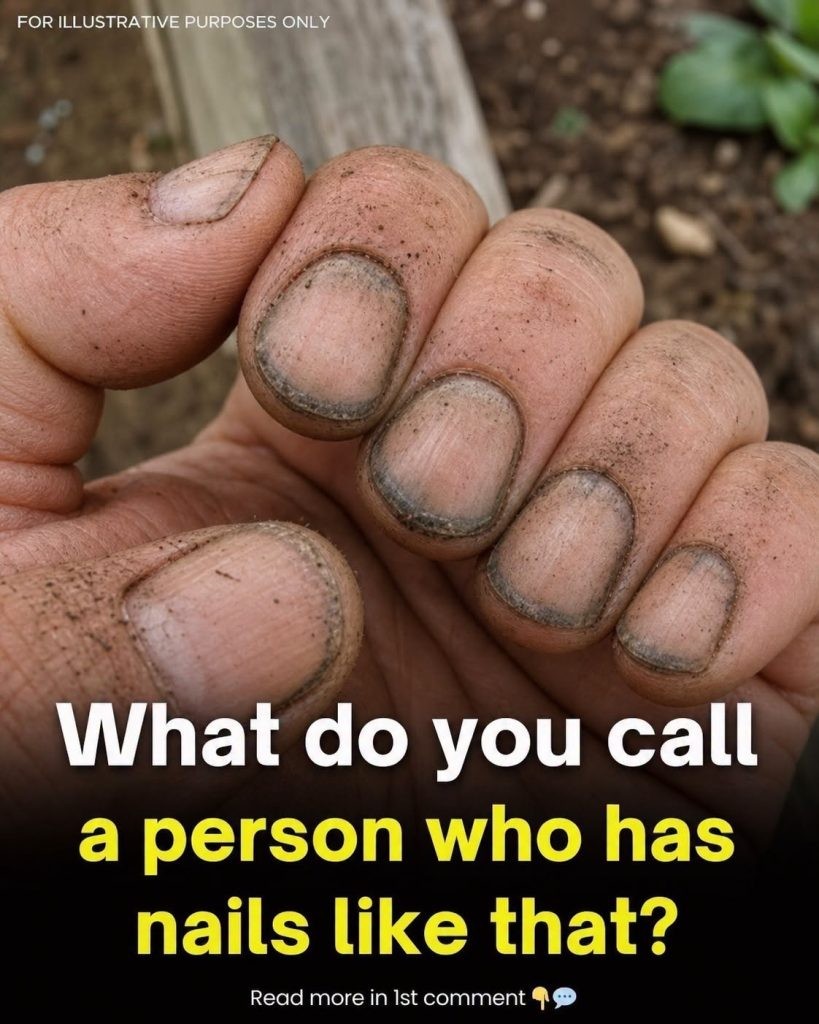
We live in a fast-paced world where snap judgments are commonplace. A fleeting glance at chipped nails, calloused palms, or ingrained grime can quickly lead to stereotypes—judgments of carelessness or laziness. These impressions often eclipse the true story behind their existence. In examining the hands of those around us, we acknowledge a deeper narrative—one shaped by effort, labor, and the realities of everyday survival. It is crucial to move beyond surface-level assumptions and uncover the complex social, economic, and cultural contexts that shape these visible signs of hard work.
The Origins of Societal Perceptions about Physical Appearance
Throughout history, physical appearance has been used as a shorthand for personal qualities. In many cultures, clean hands have been associated with discipline, responsibility, and even social status, while rough or unkempt hands were sometimes viewed with suspicion. These perceptions have deep roots in class dynamics, where visible markers of manual labor distinguished working populations from those in less physically demanding roles. As expert sociologist Dr. Rachel Healy notes, “Society has long valued outward cleanliness as a proxy for inner virtue, yet this conflation often ignores the realities of those who engage in hard, manual work.”
The Realities Behind Working Hands
For millions of people worldwide, hands are more than a part of the body—they are critical tools of survival and sustenance. Construction workers, mechanics, cleaners, farmers, healthcare workers, and caregivers are just some of the professions that subject hands to repetitive stress, harsh chemicals, and frequent wear. According to a feature by BBC News, the average laborer often struggles to maintain the kind of hand care regularly portrayed in advertising or media.
These professions typically demand long hours with minimal breaks. Studies by the International Labour Organization indicate that manual laborers often have limited access to workplace amenities that facilitate personal care. Time constraints and the requirements of daily survival often take precedence over self-care rituals. Therefore, what may appear as neglect is, in many cases, a visible sign of hard work and commitment to daily responsibilities.
The Complexity of Cleanliness and Self-Care
Personal hygiene is important for overall health, but it is also shaped by circumstances. Not all forms of dirt or roughness can be removed with standard cleaning. Agricultural workers, for example, may use gloves and protective gear, yet persistent stains and calluses are almost unavoidable, as acknowledged in articles from the Centers for Disease Control and Prevention (CDC). Similarly, healthcare and sanitation workers constantly wash their hands, but the repeated exposure to detergents can cause cracked skin and chronic irritation.
These realities highlight that self-care extends beyond appearance. Many workers prioritize family, community, and productivity over the luxury of personal grooming. As Dr. Linda McCormick, a health researcher specializing in occupational safety, points out, “The visible condition of hands is more often a testament to sacrifice and commitment than to neglect.”
Class, Labor, and Social Inequality
The notion that clean, well-manicured hands reflect discipline—while worn hands indicate failure—does not account for systemic inequality. Access to resources, healthcare, and time all play a pivotal role in personal care. According to the International Labour Organization (ILO), workers from lower socioeconomic backgrounds face greater barriers to self-care. Extended working hours, lack of paid time off, and financial pressure leave less room for comfort and rest, making idealized notions of grooming unfounded for many people.
Pandemic-era realities further underscored this divide, as essential workers in healthcare, food services, and sanitation continued daily responsibilities under difficult circumstances. Their hands bore the brunt of increased workloads and protective measures, yet public recognition often lagged behind the sacrifices made.
Rethinking the Value of Labor
Society often praises the idea of “hard work,” yet tends to overlook the individuals who embody it daily. The labor performed by working hands sustains communities, ensures public health, and underpins everyday convenience. However, these very individuals sometimes face social distance or stigma due to the visible impact of work on their bodies. This contradiction reveals a disconnect between the celebration of effort and empathy towards those who labor intensely.
Evidence indicates that showing visible signs of work, such as callused hands or worn nails, can sometimes lead to discrimination or exclusion. As highlighted by a Reuters report, workers in service industries often report feeling overlooked, despite broad societal dependence on their labor.
Empathy, Dignity, and Recognition
It is vital to approach others with empathy rather than judgment. Rather than interpreting physical signs as evidence of character flaws, it is more just and accurate to recognize the strength and sacrifice behind every mark. Hands shaped by labor are markers of resilience, adaptability, and a dignity that does not require outside approval. Social scientists and advocates stress the importance of acknowledging the humanity in everyone, regardless of outward appearances.
Global efforts aimed at improving working conditions and expanding access to basic amenities are steps toward a more equitable society. The ILO’s “Decent Work” agenda and the World Health Organization’s examination of social determinants of health both highlight the need to recognize and support those whose hands sustain vital parts of our daily lives.
The Psychological Effect of Judgment and Recognition
Research has shown that social stigma—such as negative assumptions based on appearance—can have lasting psychological effects. Individuals exposed to judgment may experience reduced self-esteem, heightened stress, and lowered access to social support networks. On the other hand, communities that embrace the dignity of labor and recognize its value foster a greater sense of belonging and collective well-being. Workplace programs and community initiatives designed to highlight the contributions of manual workers are increasingly being adopted internationally, as detailed in The Guardian.
Changing the Narrative: Towards a More Just Perspective
Challenging long-held beliefs about appearance and worth is essential for building a fairer and kinder society. Educational efforts in schools, workplaces, and media can help reshape narratives around manual labor, encouraging greater appreciation for the visible and invisible costs of essential work. Public campaigns and advocacy groups play a growing role in shifting discourse away from judgment and towards recognition and respect.
Ultimately, the physical signs left on hands by work are not indicators of neglect, but symbols of participation, contribution, and perseverance. By consciously choosing to recognize rather than judge, we can build environments where every individual’s story and dignity are honored.
Conclusion: Learning to See Beyond the Surface
When we look past appearances and listen to the true stories behind working hands, we not only acknowledge resilience and sacrifice but also foster a more inclusive society. Dirt, roughness, or imperfection do not reveal character flaws—they reveal responsibility, discipline, and strength. As we engage with each other, may our responses be guided by recognition, dignity, and empathy, moving us closer to a world where everyone’s worth is respected.
Sources
- BBC News
- Reuters
- Centers for Disease Control and Prevention
- World Health Organization
- The Guardian
- International Labour Organization
Disclaimer: This content is intended for entertainment purposes only and is not based on real events.