

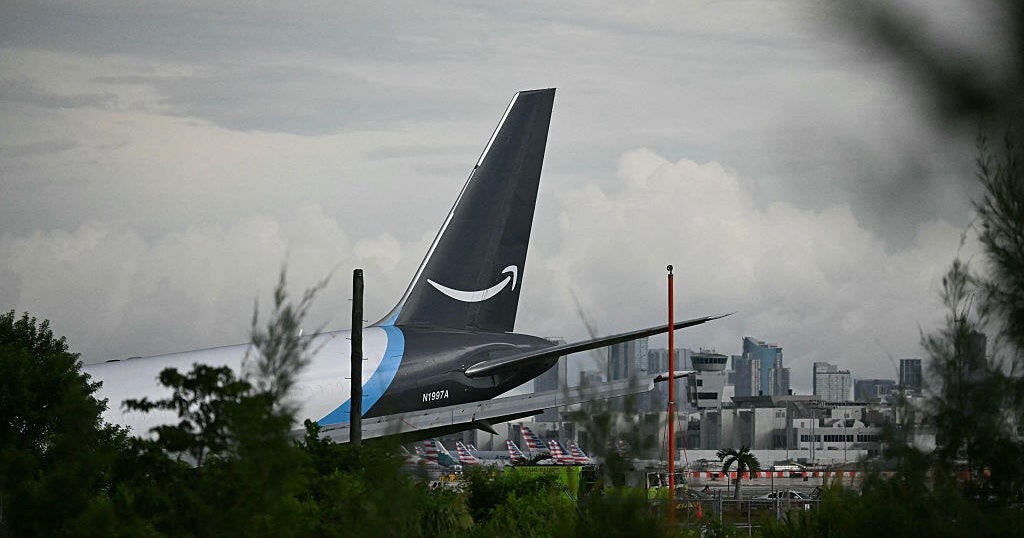
Amazon Cargo Plane Overruns Runway at Miami International Airport, Causes Fatal Accident
On September 6, 2026, a tragic accident occurred at Miami International Airport involving an Amazon Prime Air cargo plane, which resulted in at least five fatalities and five injuries. The incident, which prompted a multi-agency emergency response and temporarily shut down the airport, has raised questions about aviation safety, emergency protocols, and the risks surrounding busy cargo operations at major U.S. airports.
Details of the Incident
The accident took place when a Boeing 767-300 operated for Amazon’s Prime Air by the North Carolina-based cargo airline 21 Air, overshot a runway and crashed into an adjacent field. The plane, which had departed earlier from San Juan, Puerto Rico, ran off the landing strip and collided with several vehicles in the vicinity of Northwest 42nd Avenue near the airport. At the time of the crash, emergency personnel faced a chaotic and complex scene, as reported by officials during a subsequent press briefing.
Witnesses described seeing heavy smoke and flames emanating from the accident site. Miami-Dade Fire Rescue (MDFR) responded with over 60 units, focusing their initial efforts on extinguishing the aircraft fire, stemming a hazardous fuel leak, and searching for survivors both in the aircraft and in the vehicles that had been struck.
Emergency Response and Rescue Activities
Reports from Miami-Dade Fire Rescue indicated that the situation upon arrival was highly dynamic. According to MDFR Chief Ray Jadallah, specialized airport firefighting teams used foam to suppress the flames, and technical rescue units worked to extricate people trapped in vehicles impacted by the crash.
Of the five individuals who sustained injuries, three suffered critical wounds and were immediately transported to trauma centers, while two others were treated at local hospitals. No identities have been released, as authorities worked to inform families and loved ones.
Critical efforts included extracting the flight crew, believed to be in the cockpit at the time, and assessing the rapidly evolving threat from the leaking jet fuel. Specialized teams succeeded in mitigating the fuel leak, preventing further escalation and reducing the risks of explosion or additional fires at the busy airport.
Immediate Impact on Miami International Airport
The aftermath of the crash led to a roughly three-hour ground stop at Miami International Airport, as coordinated by the Air Traffic Control System Command Center, a Federal Aviation Administration (FAA) entity responsible for operational safety. Two of the airport’s runways were closed temporarily, affecting both departing and arriving flights. Although the ground stop was lifted after three hours, delays continued, and the average arrival time was reported at six and a half hours later into the evening.
This significant disruption illustrates the complexities involved in responding to emergencies at major air transport hubs. Miami International Airport, being one of the busiest cargo and passenger airports in the United States, felt a ripple effect across airline schedules regionally and nationally. The closure of runways, coupled with the intensive investigative response, underscored the importance of robust crisis management protocols and cooperation between different agencies.
Investigation and Regulatory Response
The accident rapidly prompted a federal investigation, with teams from both the FAA and the National Transportation Safety Board (NTSB) arriving on scene. Their primary focus includes collecting evidence from the wreckage, interviewing witnesses, examining air traffic control records, and recovering flight data recorders (often called “black boxes”). Both agencies followed established procedures for investigating serious accidents involving commercial and cargo aircraft.
Further details emerged about the aircraft itself. The Boeing 767-300 involved was 32 years old, having begun its lifecycle as a passenger airliner before being converted to a dedicated cargo freighter in 2015. According to the flight tracking service Flightradar24, the aircraft’s operational history spanned multiple airlines prior to its service for Amazon’s logistics network.
As investigations progress, officials stated that it was too early to definitively say whether those who lost their lives were all aircraft occupants, vehicle passengers, or a combination of both. Updated information is expected as identification processes and family notifications proceed.
Amazon’s Response and Support Efforts
In an official statement, Amazon spokesperson Kelly Nantel expressed the company’s condolences: “We’re heartbroken to learn that five people lost their lives in today’s incident at Miami International Airport. Our deepest sympathies go out to the families, loved ones, and all those affected by this devastating loss.”
Amazon emphasized its ongoing cooperation with investigators, and its focus on supporting victims’ families, employees, and anyone impacted by the crash. The company pledged to fully comply with official inquiries and to review its own safety protocols as the facts become clearer.
Aircraft Safety, Cargo Operations, and Risk Factors
This event has brought renewed attention to the operational challenges and safety practices within the rapidly expanding air cargo industry. As online commerce has grown, so have the volumes and frequencies of flights operated by carriers such as Amazon Prime Air. Industry experts note that while cargo aviation follows similar regulations and oversight as passenger aviation, unique challenges such as overnight operations, heavier payloads, and time-sensitive logistics can complicate operations.
According to the International Air Transport Association (IATA) and FAA, aviation as a whole remains statistically safe, with numbers of serious incidents proportionally low compared to flight volume. However, runway overruns, which involve an aircraft failing to stop within the available landing distance, remain a recurring challenge in global aviation safety metrics. Causes can range from mechanical failure and poor weather to pilot technique and ground conditions. Comprehensive investigations like the one underway in Miami are vital for uncovering contributing factors and for the global exchange of safety learnings.
Community Impact and Broader Reactions
The Miami community responded to the crash with an outpouring of support for the victims and emergency responders. Local officials, including Commissioner Natalie Milian Orbis, communicated with residents about public safety in the days following the event, advising them to avoid the area affected by the investigation and clean-up operations. No ongoing threat to public safety was identified after the initial crisis was contained and the aviation fuel leak mitigated.
Nationally, federal officials, including Sean Duffy, Secretary of the U.S. Department of Transportation, issued public advisories regarding delays, cancellations, and the importance of patience and support for those affected by air travel disruptions stemming from the crash.
Internationally, aviation authorities and safety experts cited the Miami event as a somber reminder of the importance of continuous training, technological upgrades, and data sharing to minimize the risks of high-stakes incidents involving large aircraft in complex airport environments.
Reviewing Emergency Preparedness and Airport Protocols
Miami International Airport’s response drew praise for the coordinated and rapid deployment of emergency services. The successful mitigation of hazardous conditions, including the fuel leak and potential for a larger fire, showcased the effectiveness of specialized teams and pre-established incident management planning.
Experts suggest that regular drills, up-to-date equipment, and inter-agency cooperation are crucial to minimizing casualties and safeguarding both travelers and airport staff during possible future emergencies. Incidents like this prompt airports worldwide to review and potentially enhance their own emergency action plans, particularly when facing growing cargo operations and evolving aviation technology.
Looking Ahead: Ongoing Investigations and Safety Implications
As the NTSB and FAA continue their investigations, the findings will likely serve as a foundation for further recommendations and possible regulatory adjustments aimed at improving safety for cargo aviation. These could include updates to runway maintenance, advanced warning and stop systems, or additional crew training requirements.
The families affected, the Miami community, and the broader aviation industry will be looking for answers and constructive change as more details emerge in the coming months. The incident stands as a powerful reminder of the balance between progress and safety that lies at the core of modern aviation.
Sources
- CBS Miami
- Reuters
- BBC News
- Federal Aviation Administration (FAA)
- National Transportation Safety Board (NTSB)
- International Air Transport Association (IATA)
- The Guardian
Disclaimer: This content is intended for entertainment purposes only and is not based on real events.