

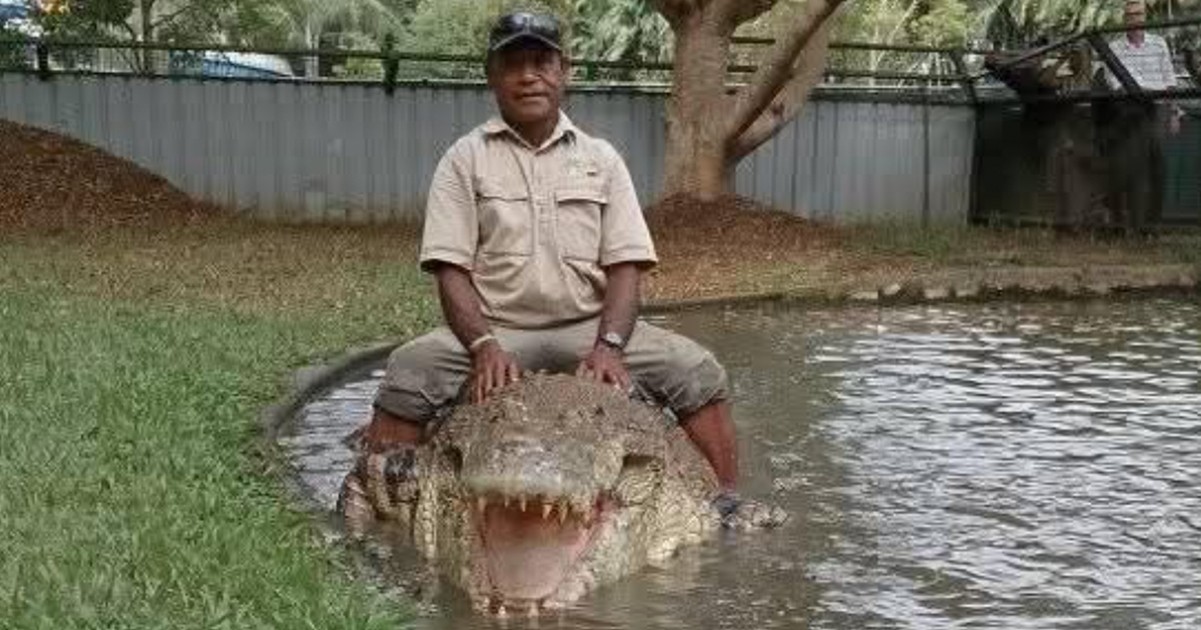
Crocodile Handler Dies Following Attack at Papua New Guinea Wildlife Park
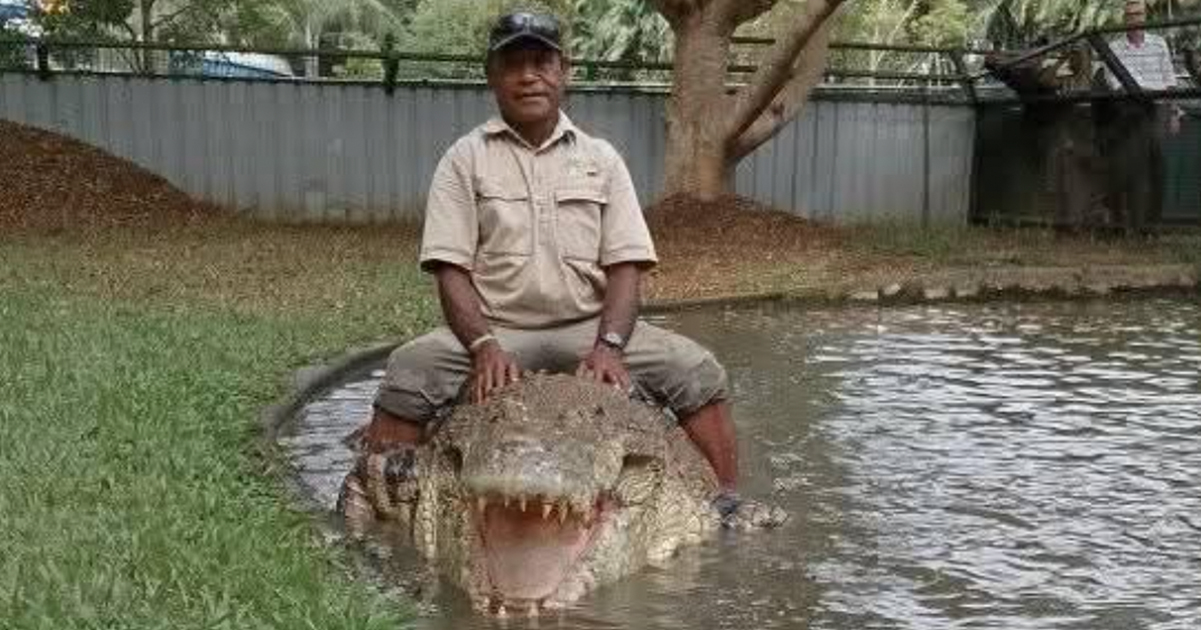
On September 6, Adventure Park in Port Moresby, Papua New Guinea, became the scene of a devastating tragedy that underscored the unpredictable nature of working with dangerous animals. Kupi Rapura, a senior crocodile handler with years of experience, lost his life after an hour-long struggle against a captive crocodile he had cared for and trusted. This incident not only shocked onlookers and the community but also reignited critical conversations about wildlife safety and the limits of human-animal trust, particularly in captive environments.
The Incident: A Routine Feeding Turns Deadly
According to multiple eyewitness accounts, on the day prior to his passing, Rapura entered the crocodile enclosure at Adventure Park to conduct a public feeding demonstration—an activity he was familiar with due to his professional background. Bringing a chicken for the animal, Rapura approached the fence, apparently following standard protocols. Unexpectedly, the crocodile lunged at him, seizing his legs with its powerful jaws and dragging him towards the pool.
Witness Gibson John, who closely observed the situation, described the attack as sudden and overwhelming. Speaking to the Australian Broadcasting Corporation (ABC), John recounted, “He brought the chicken to the fence and the crocodile attacked the person and tried to bring him into the pool.”
Struggle for Survival: Eyewitness Testimonies
Video footage taken by a visitor captured the horrifying ordeal as Rapura desperately clung to the edge of the pool, the crocodile locked onto his legs. Onlookers, separated by the enclosure fencing, attempted to intervene by offering makeshift tools through the bars—a pole was passed in an attempt to help him fend off the crocodile. Realizing the severity of the attack, some brave individuals entered the enclosure, putting themselves at risk to try to save the animal keeper.
Despite these efforts, the crocodile maintained its grip for over an hour. Witnesses describe Rapura as being conscious during most of the ordeal, grimacing in pain but largely unable to speak or cry out. According to Gibson John, “He was in severe pain, but he couldn’t scream… It was the pain I could see from his eyes.” The only words John recalled hearing from Rapura were, “I haven’t done anything wrong.”
Emergency Response and Rescue Efforts
The prolonged nature of the attack prompted an urgent response from Adventure Park staff, security, and visitors. Security guards, lacking firearms or proper immobilization equipment, handed Rapura a small iron rod in a desperate attempt to ward off the animal. Simultaneously, calls were made to the local emergency medical service, St John’s Ambulance, as well as the police.
As rescue efforts progressed, the park was evacuated to avoid further risk to the public. Authorities eventually intervened, and police officers euthanized the crocodile to free Rapura from its jaws. By this time, he had already suffered critical injuries, including the loss of a leg.
Kupi Rapura: A Life Dedicated to Wildlife
Kupi Rapura was not new to this work. The National Capital District Commission (NCDC) confirmed that Rapura had many years of experience with crocodiles and other wildlife, having worked previously at Baiyer Zoo before joining Adventure Park in Port Moresby in 2013. As a senior and highly respected animal keeper, Rapura held an esteemed position among his colleagues, many of whom described him as careful, knowledgeable, and deeply passionate about animal welfare.
Societal and Family Reactions: Shock and Grief
The tragedy has left Rapura’s family and colleagues in mourning. To his loved ones, the incident represented not just a workplace hazard, but a heart-wrenching betrayal. His nephew, LeeMack Joe Tikippii, expressed the family’s devastation on social media, writing, “The trust and loyalty have been betrayed by a monster you’ve been treated as a pet. Never knew one day your best friend would take your life. The highest level of betrayal won’t be forgotten in the history of our family.”
Beyond his immediate family, Rapura’s death resonated across Papua New Guinea. The story quickly circulated among local communities and international wildlife professionals, sparking an outpouring of condolences and renewed discussion about the realities of working with dangerous animals in captivity.
The Risks and Realities of Crocodile Handling
Crocodiles are apex predators, known for their immense strength, powerful jaws, and unpredictable behavior. Crocodile handling, even when performed by seasoned professionals, carries inherent risks. In captive settings, handlers typically undergo rigorous training, using a combination of environmental controls, behavioral cues, and physical barriers to minimize danger.
According to the Crocodile Specialist Group of the International Union for Conservation of Nature (IUCN), attacks in zoos and controlled environments are rare, but when they occur, they often result in serious injuries or fatalities due to the animal’s capabilities.
This tragedy has reignited discussion among zookeepers, veterinarians, and wildlife experts on the importance of continuous training, improved enclosure design, and the need for rapid-response protocols tailored to high-risk species like crocodiles. Many institutions, learning from such incidents, have reviewed and upgraded their emergency preparedness and staff training modules accordingly.
Expert Views: Trust, Welfare, and Safety
Wildlife experts emphasize that while trust and routine are important in animal husbandry, they do not eliminate risk—especially with species whose predatory instincts are strong and cannot be fully tamed.
Dr. Adam Britton, a prominent herpetologist and crocodile expert, has frequently advised that crocodiles, even those raised in captivity or that interact daily with humans, retain their wild nature. In previous interviews concerning crocodile attacks, Britton has described these reptiles as “opportunistic and unpredictable,” noting that they may respond to routine changes, stress, or hunger in ways that defy human expectations.
Experts continue to advocate for a precautionary approach that assumes any encounter with large carnivores, no matter how seemingly routine, must be conducted with maximum safety measures. Enclosure safety, communication protocols, and the ready availability of immobilization and rescue equipment are now seen as essential.
Global and Local Impact: Raising Awareness
Incidents involving wildlife handlers are rare but tend to generate significant international attention when they do happen, prompting broader conversations about animal welfare, occupational health and safety, and the ethics of keeping apex predators in captivity.
In Papua New Guinea, where crocodiles play a significant role in culture and local economies—particularly through crocodile farming and ecotourism—this event has prompted a review of safety regulations in wildlife parks and zoos across the nation. Industry stakeholders, government agencies, and community advocates continue to discuss reforms ranging from stricter staff training requirements to enhanced enclosure designs and improved public education.
Meanwhile, international organizations such as the World Animal Protection have reiterated the importance of respecting the wildness of all animals, even those in captivity. The tragic loss of Kupi Rapura serves as a somber reminder that despite advances in animal management and welfare, working closely with dangerous species always involves serious risk.
Lessons Learned: The Importance of Respecting Wildlife
The death of Kupi Rapura is not only a personal loss for his family and colleagues but also a profound lesson for anyone working with or around wild animals. His passion for his work and commitment to animal welfare reflected the best intentions, yet the outcome demonstrates the limits of human control and the necessity for ongoing vigilance and respect.
For those who visit wildlife parks and zoos, the incident is a poignant reminder that the animals on display remain, at their core, unpredictable beings deserving of caution and respect. Parks and their staff are tasked with achieving a delicate balance between conservation, education, and safety—a challenge that this incident has brought into sharper focus.
In summary, while captive environments have helped protect threatened species and educate the public, this tragedy reminds all involved that nature cannot be fully contained, and that the highest standards of safety must always be maintained.
Sources
- Australian Broadcasting Corporation (ABC)
- National Capital District Commission (Papua New Guinea)
- The Guardian
- BBC News
- IUCN Crocodile Specialist Group
Disclaimer: This content is intended for entertainment purposes only and is not based on real events.