

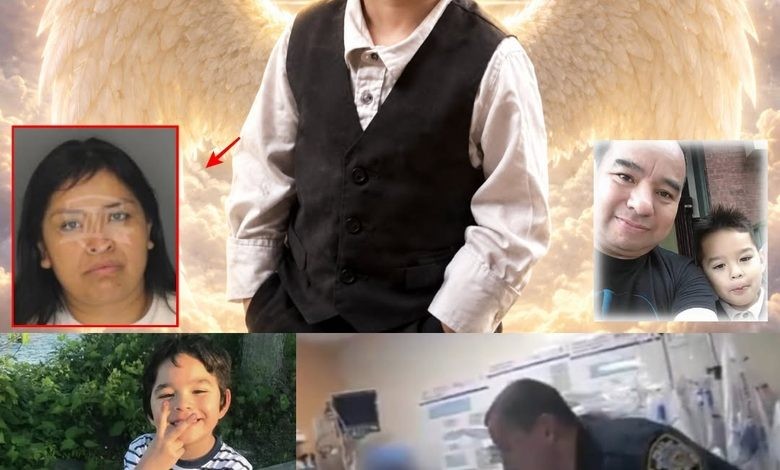
7-Year-Old Child Dies of Starvation as Newburgh Case Leads to Murder Charges
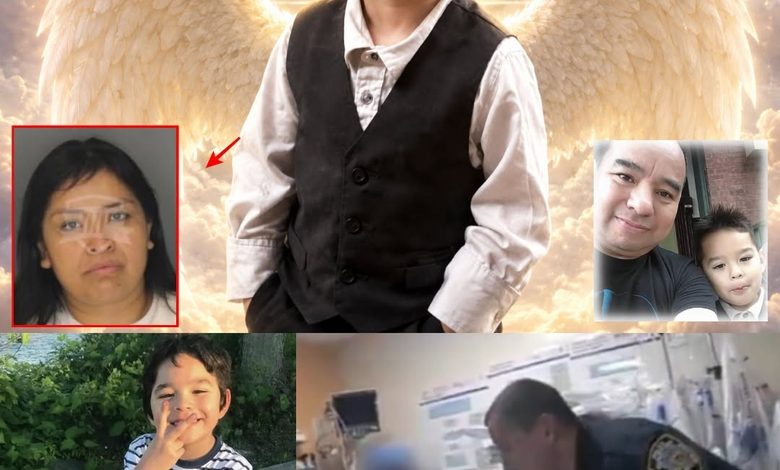
The city of Newburgh, nestled in the Hudson Valley of New York State, has been deeply shaken following the tragic death of 7-year-old Peter Cuacuas. The details that have emerged are both deeply distressing and raise urgent questions about the mechanisms meant to protect vulnerable children in the United States. Authorities allege that Peter died as a result of prolonged starvation, and that his death was the culmination of ongoing neglect and abuse that remained undetected until it was too late. The subsequent murder and criminally negligent homicide charges brought against his parents have galvanized public attention, prompting an examination into the events leading up to his passing, the role of social institutions, and what more can be done to prevent such tragedies.
Tragic Circumstances Surrounding Peter’s Death
According to statements from the Orange County District Attorney’s Office, on a cold February day in 2021, Peter Cuacuas was rushed to a local Newburgh hospital. Despite medical intervention, Peter was declared dead upon arrival. Examination by medical professionals and investigators quickly revealed a shocking truth: Peter had died from starvation, and evidence pointed towards a long-term pattern of neglect.
Authorities concluded that Peter had been kept isolated for extended periods, deprived not only of adequate food but also from education and social contact. The Orange County District Attorney, David Hoovler, publicly confirmed that the investigators who reviewed Peter’s living conditions described them as deeply troubling, marked by deprivation and a lack of basic care every child deserves.
Charges and Legal Proceedings
In the aftermath of Peter’s passing, law enforcement and the District Attorney’s office moved swiftly. Peter’s mother was indicted on charges of second-degree murder, a grave accusation reflecting what prosecutors allege was an extreme disregard for his life and well-being. His father was also charged with criminally negligent homicide, suggesting culpability for failing to intervene or prevent the ongoing neglect.
Legal experts have noted that the high-profile nature of the charges not only reflects the severity of the case, but also underscores society’s growing insistence on accountability in instances of child abuse. The court proceedings are expected to scrutinize not just parental actions, but also the broader environment in which these events occurred.
Community Response and Public Outrage
News of Peter Cuacuas’s death reverberated across Newburgh and beyond. Local officials, residents, and advocacy groups expressed profound sadness, coupled with frustration and anger. Many community members asked how such suffering could go unnoticed in the modern age, and why intervention did not arrive in time to save Peter’s life.
Vigils and memorials were organized by local churches, schools, and civic organizations to honor Peter’s memory. His tragic fate has become a rallying point for calls to strengthen child protection networks and ensure more robust responses to signs of abuse and neglect.
Warning Signs and Missed Opportunities
As investigators pieced together Peter’s final months, a clearer picture emerged of his isolation and declining health. According to court documents and press conferences, Peter stopped attending virtual classes in the months before his death—a warning sign in the era of remote learning due to the COVID-19 pandemic. Teachers and staff reportedly attempted to reach out and follow up on his absence, but their efforts were met with obstacles.
Child welfare experts stress that patterns of missing school, unexplained absences, or sudden withdrawal from social activities can be red flags indicating deeper problems. The pandemic created further challenges, often making face-to-face welfare checks more difficult, forcing child protection agencies to adapt under unprecedented conditions.
Understanding Child Neglect and Its Effects
Child neglect is, tragically, a widespread issue that afflicts communities across the United States and the world. According to the Centers for Disease Control and Prevention (CDC), neglect is the most common form of child maltreatment, encompassing the failure to provide for a child’s basic needs, including food, shelter, healthcare, supervision, and emotional support.
The physical effects of chronic starvation are well-documented: impaired growth, weakened immune systems, and, in extreme cases, organ failure and death. But the psychological wounds can also be profound and long-lasting, leading to developmental delays, learning difficulties, anxiety, depression, and challenges in forming relationships.
Child Protective Services and Systemic Challenges
The Cuacuas case has prompted scrutiny of regional child protective services (CPS) and the mechanisms responsible for safeguarding children. CPS, school counselors, healthcare providers, and members of the community are trained to recognize warning signs of abuse and neglect. However, systemic challenges—such as high caseloads, limited resources, and, more recently, the disruption caused by the pandemic—can sometimes hinder timely intervention.
According to Child Welfare Information Gateway, effective child protection requires coordinated efforts among educators, medical professionals, social workers, law enforcement, and the wider community. Recent years have seen reforms aimed at improving information sharing, identifying risk factors early, and strengthening the role of mandated reporters—individuals legally required to report suspected abuse.
Expert Perspectives on Preventing Future Tragedies
Experts in child welfare emphasize that preventing tragedies like Peter’s requires both vigilance and comprehensive support systems. According to Dr. Theresa Jenkins, a social work professor at New York University, “One of the most important safeguards for at-risk children is regular, meaningful contact with adults outside their immediate household—teachers, pediatricians, neighbors—who can notice changes and raise concerns.”
Programs such as home visitation for newborns in at-risk families, routine health checks, counseling services, and community education initiatives have demonstrated efficacy in reducing rates of child neglect. Funding and public awareness are crucial; the more resources allocated to early detection and family support, the greater the chances are of reaching children in need before the situation becomes dire.
Legal and Policy Responses
In the aftermath of high-profile cases such as the death of Peter Cuacuas, policymakers often face pressure to examine current laws, reporting procedures, and funding for child protection services. In New York, as elsewhere, legislative efforts may focus on enhancing training for mandated reporters, increasing support for struggling families, and ensuring that child welfare agencies have the staffing and technological capacity to promptly investigate reports of concern.
National organizations such as Child Welfare Information Gateway and Children’s Defense Fund advocate for balanced approaches that aim to support families while holding those who neglect or harm children accountable for their actions.
Societal and International Perspectives
Tragically, the death of children as a result of abuse or neglect is neither unique to Newburgh nor the United States. The World Health Organization (WHO) estimates that millions of children worldwide are affected by maltreatment each year. International best practices emphasize the importance of robust social safety nets, child advocacy centers, trauma-informed care, and public education campaigns.
Comparisons with systems in other high-income countries suggest that multi-disciplinary, community-based approaches—where schools, health professionals, and social workers collaborate—tend to yield better outcomes for at-risk families. Countries like the United Kingdom and Sweden have implemented “whole system” strategies, integrating preventative and remedial services under a coordinated framework, resulting in lower rates of child mortality from abuse.
Moving Forward: Creating Safer Communities for Children
Peter Cuacuas’s death is a stark reminder of the critical importance of community vigilance, systemic readiness, and persistent advocacy on behalf of children. The outpouring of grief and calls for reform in Newburgh underline a broader societal consensus: that all children have the right to protection, care, and the chance to thrive.
Community members are urged to be alert to warning signs of neglect or abuse—such as sudden absences from school, visible physical decline, or social withdrawal. Experts encourage people to report any reasonable suspicions to authorities, emphasizing that early intervention can save lives.
The tragedy in Newburgh also serves as a call to action for policymakers, agencies, and the public to work together to strengthen safety nets, enhance social support systems, and ensure that no other child’s suffering goes unseen or unaddressed.
As legal proceedings unfold and systems are scrutinized, the legacy of this heartbreaking case must translate into meaningful change—through support, education, justice, and unwavering commitment to the well-being of every child.
Sources
- Reuters
- BBC
- The New York Times
- Centers for Disease Control and Prevention
- Child Welfare Information Gateway
- World Health Organization
- The Guardian
Disclaimer: This content is intended for entertainment purposes only and is not based on real events.