

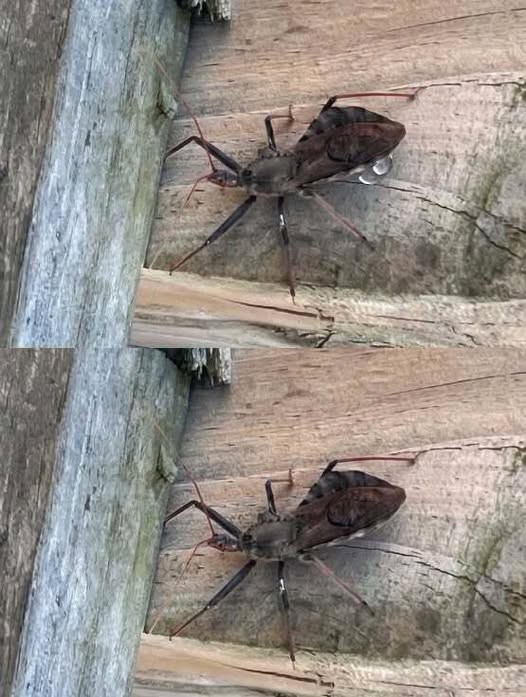
When You Discover an Insect Bite of Unknown Origin: Understanding the Assassin Bug and Managing Your Health
Introduction to Insect Bites and the Assassin Bug
The discovery of an insect bite of unknown origin, especially from a creature resembling an assassin bug, can naturally lead to concern and confusion. While insect bites are common worldwide and often benign, certain species can provoke greater alarm due to their appearance and reputation. Among these, the assassin bug is notable, both for its predatory skills and its impact on human health. A comprehensive understanding of such encounters is essential for effective management and peace of mind.
Identifying the Assassin Bug
Assassin bugs are a diverse group within the Reduviidae family, comprising over 7,000 species globally. Characterized by elongated bodies, prominent mouthparts called rostrums, and swift movements, these bugs are found in various habitats, including gardens, forests, and even homes. Many are recognized for preying upon other insects, contributing to the natural balance of their ecosystems. Despite their intimidating name, most assassin bugs are not aggressive toward humans unless disturbed or handled.
Why Do Assassin Bugs Bite Humans?
Unlike mosquitoes or fleas, assassin bugs do not seek out human hosts for sustenance. Bites typically occur when the insect feels threatened or is inadvertently handled. These defensive bites serve as a deterrent, warning larger creatures – including humans – to stay away. The bite is delivered via the bug’s sharp rostrum, which can pierce the skin and inject saliva that may cause mild irritation.
Symptoms of an Assassin Bug Bite
Most bites from assassin bugs result in temporary, localized symptoms. Common reactions include:
- Redness and swelling at the site
- Mild pain or stinging sensation
- Itching
- Occasional formation of a small lump or blister
For the majority of individuals, symptoms resolve within a few days with minimal intervention. However, understanding how to distinguish a benign bite from more serious reactions is critical for health management.
Potential Health Risks Associated with Assassin Bug Bites
Globally, assassin bugs are famous for their role in transmitting Chagas disease, a serious illness caused by the Trypanosoma cruzi parasite. This risk, however, is specific to certain species known as “kissing bugs” (Triatominae) found mainly in Latin America. Transmission occurs not from the bite itself, but from contact with insect feces after the bug feeds. Outside regions affected by Chagas disease, most assassin bug bites carry no such risk, and dangerous complications are rare.
In regions where the kissing bug is prevalent, local health authorities encourage vigilance and preventative measures such as sealing cracks in homes and using bed nets. The Centers for Disease Control and Prevention (CDC) recommends immediate washing and monitoring for symptoms if bitten in these areas.
First Aid and Management for an Unknown Insect Bite
Upon discovering an insect bite of unknown origin, especially one resembling an assassin bug, it is important to follow standard first aid practices:
- Wash the affected area thoroughly with soap and water.
- Apply an ice pack or cold compress to reduce swelling and discomfort.
- Avoid scratching, as this increases the risk of infection.
- Monitor for signs of allergic reactions, such as excessive swelling, difficulty breathing, dizziness, or hives.
- If symptoms escalate or if you reside in a region where Chagas disease is present, seek medical attention promptly.
Expert Insights on Assassin Bug Encounters
Entomologists and public health experts emphasize the importance of understanding regional insect species. Dr. Nancy Hinkle, professor of entomology at the University of Georgia, notes, “Assassin bugs are beneficial predators in gardens and agricultural settings. Bites are rare and usually happen only when the insect is threatened.” She recommends caution but reassures that most bites require simple wound care and pose minimal health risk.
The World Health Organization (WHO) and the CDC provide further guidance on managing bites and highlight the need for awareness in endemic areas. Educational campaigns in Latin American nations have reduced transmission rates of Chagas disease, underscoring the value of community knowledge.
Preventing Insect Bites and Improving Home Safety
Preventing insect bites begins with environmental awareness and practical measures. If you live in areas known for assassin bugs or other biting insects, consider the following tips:
- Seal gaps in windows, doors, and walls to prevent insect entry
- Use screens and mosquito nets, especially at night
- Keep gardens and yards well maintained and free from debris
- Use insect repellents approved by health authorities
- Inspect sleeping areas, especially in rural regions
By implementing these strategies, you minimize the risk of unplanned encounters and improve peace of mind.
Global Responses and Public Health Initiatives
The global response to insect-borne diseases, particularly those linked to assassin bugs, involves public education, vector control, and health infrastructure improvements. National governments, international organizations, and local communities focus on surveillance, habitat modification, and the development of safer housing. Latin American countries, for example, participate in coordinated efforts to eradicate the kissing bug and limit disease transmission.
Scientific advancements have also contributed to safer environments. Research on insect behavior, repellents, and home design has informed policy and improved protective measures. The CDC’s outreach efforts, including publications and risk maps, empower residents and travelers to make informed decisions regarding their health.
Understanding Your Own Risk and When to Seek Help
If you are bitten by an insect of unknown origin, it is natural to feel concerned, especially if the insect resembles an assassin bug. Assessing your risk depends on your geographic location and the presence of vector-borne illnesses. In most cases worldwide, assassin bug bites are unpleasant but harmless. Prompt and appropriate wound care is the best course of action.
Should symptoms worsen – such as persistent pain, spreading redness, signs of infection, or any indication of allergic reaction – professional medical evaluation is crucial. In regions where the kissing bug is present, awareness of Chagas disease symptoms (which may include fever, fatigue, and swelling) is necessary, and early intervention leads to better outcomes.
Implications for Travel and Outdoor Activities
Travelers, especially those visiting tropical and subtropical areas, should familiarize themselves with local insect risks. The CDC offers resources for travelers, including maps and preventive guidelines. Simple precautions, such as using DEET-based repellents, checking accommodations for insects, and practicing general hygiene, help minimize exposure.
Families and outdoor enthusiasts can benefit from educational materials and local advisories. Many parks and conservation areas provide guidance on avoiding bites and understanding the ecosystem’s key insect species, reflecting global efforts to promote safe and enjoyable outdoor experiences.
Conclusion: Balancing Awareness and Peace of Mind
Discovering an insect bite of unknown origin can be unsettling, but a rational, informed response is the key to health and comfort. Assassin bugs, though intimidating, rarely pose a significant threat to humans outside regions affected by Chagas disease. Understanding the biology, symptoms, and treatment of bites enables individuals to manage the situation effectively.
Through the combined efforts of experts, public health authorities, and communities, awareness is improving and risks can be minimized. Ultimately, maintaining a balance between vigilance and peace of mind empowers people to enjoy their environments without undue anxiety about insect bites.
Sources
- Centers for Disease Control and Prevention (CDC)
- World Health Organization (WHO)
- BBC News
- Reuters
- Mayo Clinic
- The Guardian
Disclaimer: This content is intended for entertainment purposes only and is not based on real events.