

What Causes Worm-Like Creatures to Appear in Toilets After Heavy Rain?
Introduction: An Unusual Discovery
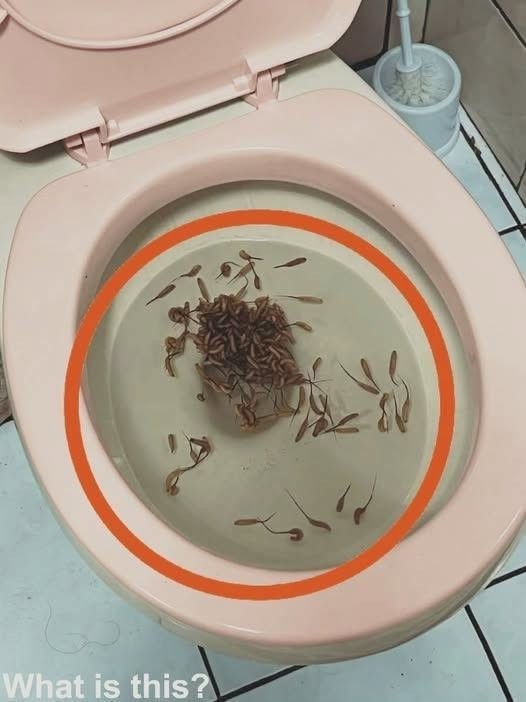
Walking into a bathroom only to be confronted by dozens of small, brown, worm-like creatures floating in a toilet bowl can be an alarming and bewildering experience. For many homeowners, the sight is both unfamiliar and unsettling, especially when everything seemed normal the night before. Such occurrences tend to happen after bouts of heavy rain, leaving residents with pressing questions about water systems, household plumbing, and environmental factors. This article investigates the phenomenon, drawing from scientific research, expert advice, and insights from plumbing and entomological specialists to shed light on possible causes and preventive steps.
The First Encounter: Rain and an Unexpected Sight
After a night of relentless rainfall, the discovery of numerous squirming organisms in the toilet is often the first sign that something is amiss. The creatures are typically tiny—sometimes resembling worms or insect larvae—and appear very much alive. The contrast between the otherwise clean, familiar environment and these intruders is usually jarring. Many who experience this find themselves questioning whether there is a new issue within their homes or if a larger environmental factor is at play.
Examining the Possible Origins of Worms or Larvae in Toilets
The appearance of worm-like organisms in household toilets is not as rare as one might assume, especially in older buildings or communities with aging infrastructure. Several plausible explanations exist for this phenomenon, each supported by observations and studies in the fields of public health, plumbing, and entomology.
1. Insect Larvae Introduced via Plumbing
Many of the worm-like creatures observed in this context are not actually worms but insect larvae. Drain flies, for example, are small insects whose larvae thrive in moist environments rich in organic matter, such as sewer pipes, drains, or septic tanks. Heavy rainfall can disturb these habitats, flushing larvae through pipes and into toilets. This disruption is most common in plumbing systems with deteriorating seals or cracks that provide insects with access from soil or stormwater systems.
Entomologists note that drain fly (Psychodidae family) larvae measure just a few millimeters and are well-adapted to survive in water for extended periods. Their brownish appearance and twisting motion often lead to misidentification as worms. An increase in rainfall can spike household sightings due to excess groundwater overwhelming urban piping infrastructure, dislodging organisms hidden in pipe sludge.
2. Worms Entering Through Sewer Line Connections
In some cases, actual worms—such as earthworms or even small aquatic roundworms—can find their way into toilets. After heavy rain, saturated soils and higher water tables can force these creatures out of the ground, seeking dry refuge within building drains and sewer lines. If there are cracks or loose fittings in the plumbing, worms can enter the system and ultimately appear in toilets. This is especially likely in older homes or in areas with outdated, clay-based piping that is more susceptible to damage or soil shifts.
3. Biological Backflow from Overwhelmed Stormwater Systems
Urban drainage systems are designed to channel stormwater away from homes, but during intense rainfall, these systems can become overburdened. In cities with combined sewer systems (where stormwater and household sewage mix), pressure from heavy inflow may push water—and anything suspended in it—back through weaknesses in household plumbing. This backflow can bring not just water but also organic matter and organisms that typically remain below the surface, contributing to unusual toilet surprises.
Insights from Plumbing Experts
Professional plumbers frequently encounter calls from concerned homeowners after storms or extended rainfall. According to industry experts, most modern plumbing systems are engineered to prevent the ingress of soil and creatures. However, vulnerabilities develop over time due to changes in building foundations, root infiltration, pipe corrosion, and shifting soil. When pathways open up, it becomes feasible for waterborne larvae or worms to travel from outside environments into interior plumbing. Routine inspections and timely maintenance can minimize the risk of such occurrences but do not eliminate it entirely, especially in regions prone to recurring heavy rain.
Environmental and Seasonal Factors
Besides mechanical issues within the plumbing, the broader environmental context plays a significant role. Rainfall intensity, temperature, and regional insect populations all influence the likelihood of seeing larvae or worms indoors. Warmer, wetter periods typically see higher insect activity, and when rainfall is combined with unseasonably high temperatures, drain flies and similar species reproduce rapidly, populating any available damp space. Heavy storms may also stir up natural habitats near homes, driving organisms to seek new shelters—including domestic water pipes and drainage networks.
Distinguishing Harmless From Harmful Organisms
Most worms and larvae that enter bathrooms after rain are not dangerous to human health. Drain fly larvae, for example, do not bite or transmit diseases directly, and earthworms are considered benign. Nonetheless, their presence can sometimes indicate deeper sanitation issues, such as organic buildup or leaks, which in turn could harbor potentially harmful bacteria or attract other pests.
When in doubt about the identities of such creatures, homeowners can collect samples and consult local entomologists or pest management services for identification. This step is critical in regions where dangerous parasites (such as certain species of nematodes) have been documented, though for most urban and suburban households, the situation is simply an unpleasant but harmless byproduct of the environment.
Steps to Prevent Future Occurrences
1. Inspect and Maintain Plumbing Systems
Regular professional inspections can reveal hidden vulnerabilities in household plumbing. Sealing cracks, replacing aging pipes, and ensuring tight connections at joints can all help reduce the entry points for organisms carried by stormwater or shifting soil.
2. Keep Drains Clean and Free of Organic Debris
Routine cleaning of drains with a brush or safe enzymatic cleaners can eliminate organic buildup, reducing the prime breeding grounds for drain flies and other insects. Avoiding harsh chemicals protects beneficial bacteria in septic systems and the wider environment.
3. Ensure Proper Yard Drainage
Addressing drainage problems around the home can help prevent oversaturation of soils and pressure on foundation plumbing. Gutter extensions, proper grading, and the installation of French drains or sump pumps may contribute to a healthier water management system for the entire household.
4. Seek Professional Advice in Persistent Cases
If worm or larvae sightings recur after every storm, despite preventive efforts, it is wise to consult both a plumber and a pest control specialist. Joint investigations can reveal hidden breaches or identify less obvious sources of contamination or infestation.
International and Societal Perspectives
This phenomenon is not restricted to any single country; communities across the world, from the United States and the United Kingdom to parts of Asia, report similar experiences. Infrastructure age and climate patterns play a large role. In cities such as London and New York, centuries-old drainage systems mean residents may be more susceptible to sudden, rain-driven plumbing intrusions. In developing economies, where piped water systems may lack regular oversight, reports of similar events are also common, underscoring a global need for resilient urban infrastructure and improved public awareness.
Public health authorities generally advise homeowners not to panic when encountering such sightings, but to regard them as reminders of the complex interplay between natural ecosystems, urban infrastructure, and daily home life. Education around household pests and regular maintenance are emphasized as the most effective strategies for long-term prevention.
Lessons Learned and Moving Forward
For many, the unexpected sight of worm-like creatures in the bathroom after heavy rainfall serves as a powerful reminder that even the most familiar domestic spaces exist within a larger and more dynamic natural context. By understanding the root causes—ranging from disrupted soil and drainage systems to insect breeding cycles—homeowners can respond more confidently and proactively when such events occur.
Regular attention to plumbing systems, drain hygiene, and yard water management can significantly reduce the likelihood of seeing these unwelcome visitors. At the same time, acknowledging that some impacts of weather and environment on household systems are difficult to control entirely can help put these experiences in perspective.
Conclusion
The appearance of worm-like creatures in toilets following heavy rainfall often triggers concern, but it is generally tied to identifiable and manageable issues with plumbing, drainage, and environmental conditions. Most such organisms are harmless, though their presence warrants a check for underlying maintenance needs. Through informed vigilance and proper upkeep, homeowners can minimize their encounters, transforming confusion and worry into knowledge and practical action.
Sources
- Centers for Disease Control and Prevention (CDC): Drain Flies
- BBC: Urban Drainage Systems and Rain Impact
- Reuters: Flooding and Urban Infrastructure
- Mayo Clinic: Worm Infections
- The Guardian: Worms in the Bathroom After Rain
- Al Jazeera: Climate and Pest Infestation
Disclaimer: This content is intended for entertainment purposes only and is not based on real events.