

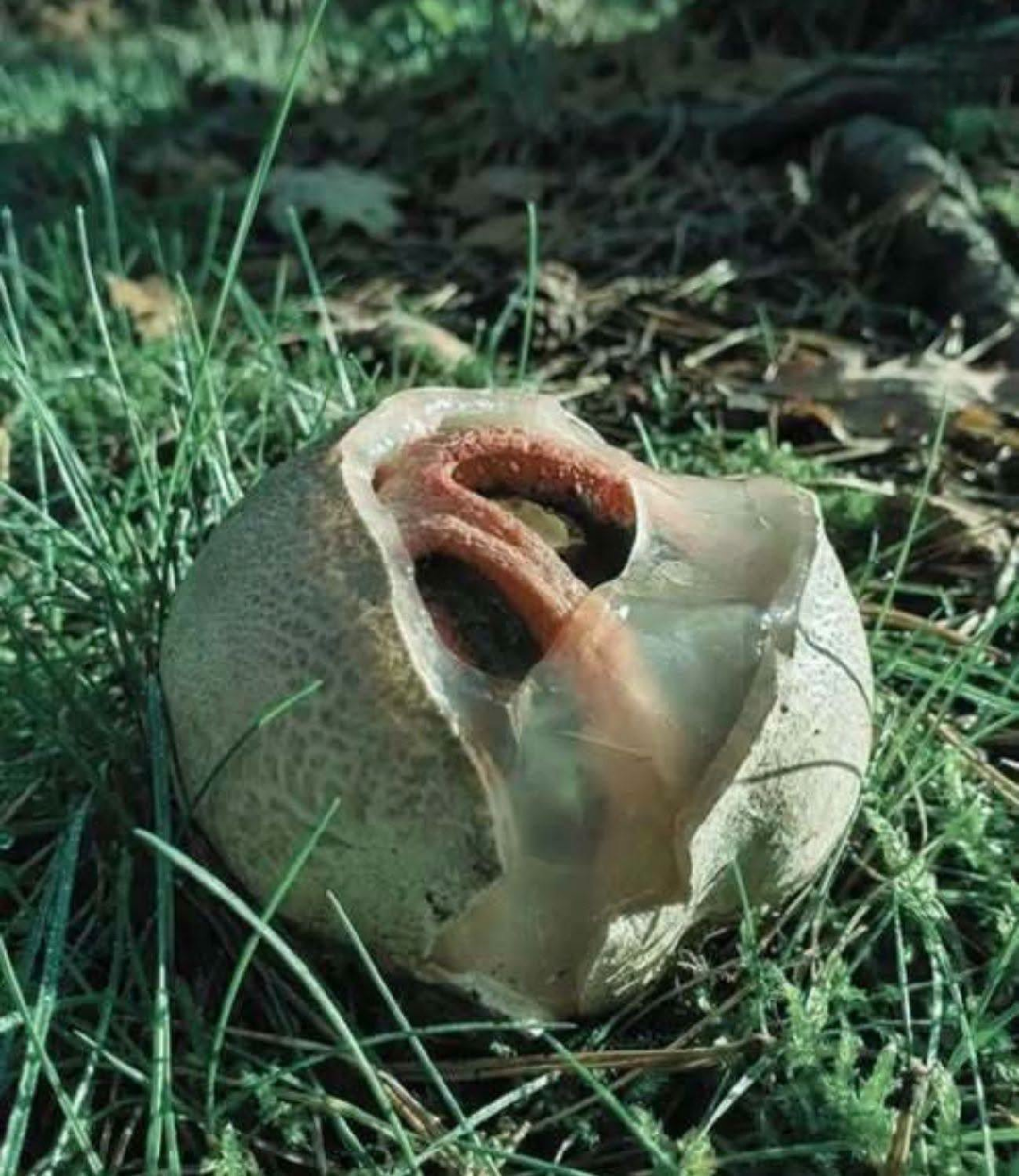
After Rain, the Forest’s Most Unusual Guest: The Stinkhorn Mushroom
When rainfall softens the forest floor and refreshes the air, subtle details of the woodland landscape spring to life. Among the varied treasures revealed by damp weather, few attract as much intrigue and curiosity as the stinkhorn mushroom. Its bizarre appearance and unmistakable scent often catch the eye and nose of hikers and naturalists, sparking questions about its biology and wider role within nature’s complex web. This article provides an in-depth, scientific exploration of stinkhorn mushrooms—unpacking their life cycle, ecological functions, evolutionary marvels, and the fascinating stories that surround them.
Introducing the Stinkhorn Mushroom: Nature’s Ingenious Decomposer
The term “stinkhorn” encompasses a diverse group of fungal species renowned for their extravagant forms and pungent odors. Well-known species such as Clathrus ruber (the Red Cage fungus) represent only a fraction of this family’s remarkable diversity. Unlike the familiar umbrella-shaped mushrooms, stinkhorns often take on striking forms, including latticed cages, tall columns, or gelatinous, net-like structures that set them apart in the fungal kingdom.
These vivid appearances aren’t merely decorative—they serve unique biological functions. As members of the Phallaceae and related families, stinkhorns specialize in decomposition, breaking down complex organic material on the forest floor. By doing so, they play a critical ecological role, returning nutrients to the soil and fostering the health of woodland environments.
While many may find their sudden and spectacular emergence surprising, mycologists have long appreciated the stinkhorn’s sophisticated adaptations and the integral part these mushrooms play among forest decomposers.
From Hidden Egg to Extravagant Structure: The Stinkhorn Life Cycle
Stinkhorn mushrooms begin their life journeys in a cryptic stage known as the “egg.” This rounded, often slimy structure lies concealed below or just at the soil’s surface, where it can easily escape notice. However, beneath its nondescript exterior, the egg harbors a meticulously organized precursor: tissues already arranged to form the adult stinkhorn’s unique shape.
The development of this stage depends on environmental triggers such as moisture, temperature, and organic substrate richness. Following heavy rainfall, when the conditions for fungal growth become ideal, the egg rapidly matures. In a process that can take only a few hours, the outer layer splits, and the mature fruiting body expands—sometimes seemingly overnight. This astonishing speed often leads to the misconception that stinkhorns appear “out of nowhere,” yet it is the result of a patient period of latent growth beneath the soil.
This remarkable transformation from concealed egg to conspicuous mushroom embodies a core evolutionary strategy: timing reproduction and growth to coincide with the arrival of rain, ensuring optimal conditions for both fruiting and spore dispersal.
The Science of Stink: Purpose Behind the Powerful Odor
Perhaps the most pervasive hallmark of stinkhorn mushrooms is their strong, sometimes fetid scent. While this odor may be off-putting to humans, it represents a highly specialized evolutionary tool designed to advance fungal reproduction.
Unlike many mushrooms, which rely primarily on wind to carry their microscopic spores to new habitats, stinkhorns have adopted an animal-mediated dispersal strategy. The upper parts of the mushroom produce a sticky, spore-laden substance called gleba, which emits a potent aroma—a blend reminiscent of rotting organic matter—engineered to mimic what attracts flies, beetles, and other detritivorous insects.
Drawn by the scent, these insects land on the gleba, becoming coated in the fungal spores. As the insects travel to new locations, they inadvertently spread the spores—an ingenious strategy that significantly increases the mushroom’s chances of colonizing nutrient-rich environments.
According to mycological research, this method is not only efficient but highly targeted, ensuring that spores are transported to places where organic decomposition and moisture support further growth.
The Unusual Morphology of Stinkhorn Mushrooms: Function and Adaptation
Stinkhorns are widely admired—and occasionally feared—for their eccentric, sometimes even surreal, structures. From the vibrant red lattice of Clathrus ruber to the phallic forms of the genus Phallus, their shapes serve as more than visual curiosities.
The exposed, open architecture of these mushrooms maximizes the surface area available for gleba to attract insects. Textured surfaces aid in spore adhesion, while bold colors or luminous gleams (in some species) may further entice potential dispersers. Mycologists believe this combination of scent and visual cues is an evolutionary refinement honed over millennia, designed to ensure maximum reproductive success in niche woodland habitats.
What may first appear as strange or unsettling is, in reality, a testimony to the creativity and adaptability of fungal evolution, giving stinkhorns an edge in the competitive forest floor ecosystem.
Stinkhorn Mushrooms in Context: Their Ecological Role in Forest Health
Despite their often startling appearance and reputation, stinkhorn mushrooms are champions of forest health. As decomposers, their mycelial networks break down leaf litter, wood, animal remains, and other organic waste. This decomposition is vital: it returns essential nutrients—such as nitrogen, phosphorus, and potassium—to the soil, where they become available for plants, trees, and other organisms.
Without decomposers like stinkhorns and their fungal cousins, dead organic matter would accumulate, slowly starving forests of the resources needed to sustain life. Research from the Royal Botanic Gardens, Kew and studies in forest ecology highlight the indispensable place fungi hold in the web of life, ensuring the continuity of nutrient cycles and biodiversity in woodlands around the world.
In addition to their direct environmental contributions, stinkhorns form mycorrhizal partnerships with plants, enhancing mutual nutrient exchange and strengthening the resilience of entire ecosystems.
The Human Story: Cultural Reactions, Folklore, and Perception
The rapid growth, peculiar forms, and strong scents of stinkhorns have inspired myths and superstitions throughout history. In some cultures, the appearance of unusual mushrooms after rain has symbolized transformation or renewal. Others have interpreted them as omens, sometimes with dark or humorous undertones due to their suggestive shapes and unexpected emergence.
Modern science has demystified much of the fear once associated with these fungi, yet the sense of wonder and fascination persists. The nickname “nature’s most terrifying things” reflects a deep-seated human reaction to the unknown or the unfamiliar. Rather than genuine threats, stinkhorns provide an opportunity for education and a deeper appreciation of biodiversity.
Public interest in wild fungi has surged in recent years, driven by advances in citizen science and increased awareness of the connections between healthy fungi populations and overall ecosystem health. Community fungal forays, educational programs, and responsible nature documentation further support the study and protection of these remarkable organisms.
Safety and Stinkhorns: Observing with Respect and Caution
While their odor and appearance can be dramatic, stinkhorn mushrooms are generally harmless if left undisturbed. Most species are considered non-toxic to humans, though their strong odor discourages consumption or accidental handling. As with all wild fungi, experts advise against consuming any mushroom unless it has been positively identified by a skilled mycologist, as many edible and toxic species exist together in similar environments.
The best way to experience stinkhorns is through observation—from a distance that respects both their role in the ecosystem and the sensitivities of other forest visitors. Enjoying their place in nature’s intricate tapestry helps promote both curiosity and conservation.
Larger Lessons: Diversity, Adaptation, and the Creativity of the Natural World
Stinkhorn mushrooms serve as a vivid reminder that nature’s genius is often hidden in the unexpected. Their life cycle, reproductive tricks, and structural wonders illustrate just how varied and creative evolution can be. Instead of viewing these mushrooms merely as oddities or nuisances, understanding their ecological service and evolutionary strategies can deepen our appreciation for the world’s less-celebrated organisms.
For naturalists, biologists, and the simply curious, encountering a stinkhorn can shift perspective from initial surprise to lasting admiration. Every feature—no matter how strange—has a role to play, part of the interconnected web that sustains life across ecosystems.
Conclusion: Celebrating the Stinkhorn’s Place in the Forest
The next time you walk through the woods after rainfall and notice a peculiar, lattice-structured fungus rising amongst the leaf litter, take a moment to appreciate the wonder beneath its odd exterior. The stinkhorn mushroom embodies nature’s capacity for adaptation, surprise, and quiet resilience.
Rather than being a mere curiosity, it is an essential participant in vital natural cycles. By observing, learning, and respecting the secrets of the fungal world, we enrich our own relationship with nature and foster a deeper sense of stewardship toward the living planet we all share.
Sources
- Dogrupara News: Stinkhorn Mushroom Coverage
- Royal Botanic Gardens, Kew: Fungi and Mycology Research
- National Geographic: Ecological Roles of Fungi
- Mycological Society: Research on Fungal Reproduction
- BBC Science & Environment: Fungi and Biodiversity
Disclaimer: This content is intended for entertainment purposes only and is not based on real events.