


Mulberries: Nutrition, Health Benefits, and How to Enjoy This Unique Berry
Introduction to Mulberries
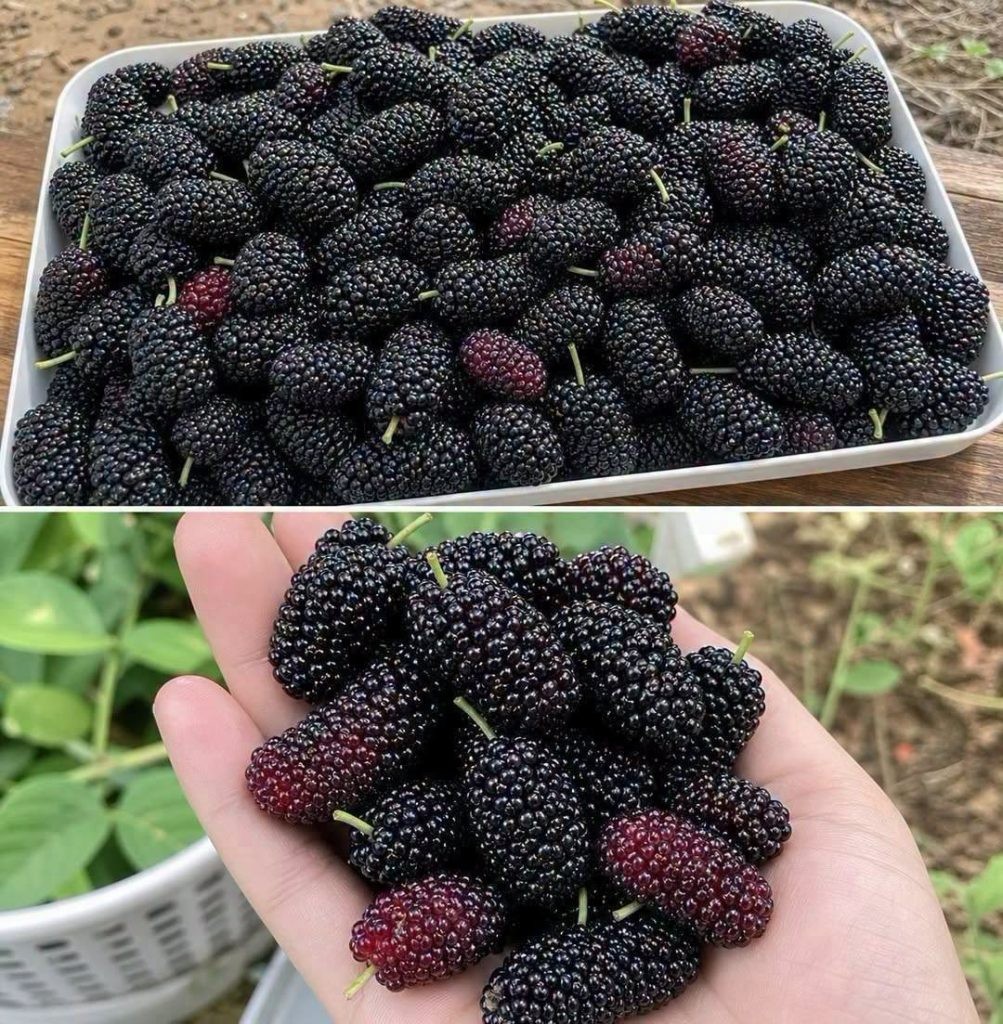
Mulberries are a fascinating and nutritious fruit that is often mistaken for other, more familiar berries such as blackberries. Upon first glance, their deep purple or red color, combined with their soft and clustered appearance, may lead one to think they are blackberries; however, a closer look reveals their unique characteristics. Mulberries are typically more elongated, and their individual segments are arranged along a small, delicate stem. These details, along with their growth on trees rather than thorny bushes, distinguish them from blackberries and make them a distinctive member of the fruit family.
What Are Mulberries? A Botanical Overview
Mulberries belong to the genus Morus and are native to regions such as Asia, Africa, and the Americas. They grow on deciduous trees and come in several varieties including red (Morus rubra), white (Morus alba), and black (Morus nigra). The fruit’s range of colors—including red, deep purple, and almost black—results from natural pigments called anthocyanins, which are also found in other dark-skinned fruits. These pigments not only provide mulberries with their appealing appearance but may also have nutritional significance.
Nutritional Profile of Mulberries
Mulberries are a rich source of several key nutrients that support overall health:
- Dietary Fiber: Helps to maintain digestive health and can contribute to a feeling of fullness, which supports healthy weight management.
- Vitamin C: Essential for immune function, skin health, and the synthesis of collagen, vitamin C is one of the primary micronutrients provided by mulberries.
- Potassium: Important for maintaining healthy blood pressure and overall cardiovascular function.
- Plant Compounds: In addition to anthocyanins, mulberries contain various other phytonutrients like resveratrol, which is also found in grapes and has been studied for its potential health benefits.
A one-cup serving of fresh mulberries (about 140 grams) provides roughly 60 calories, 2 grams of fiber, and close to 85% of the daily recommended intake of vitamin C. The fruit is low in fat and contains modest amounts of other vitamins and minerals such as vitamin K and vitamin E.
Health Benefits of Mulberries
The nutrients and plant compounds in mulberries may yield several health benefits, as summarized below.
1. Supports Digestive Health
The fiber content in mulberries contributes to regular bowel movements and a healthy digestive tract. Fiber is also important for feeding beneficial gut bacteria, which play a role in overall health, immune function, and even mood regulation.
2. Boosts Immune Function
Vitamin C, found abundantly in mulberries, is crucial for immune defense. This vitamin supports the function of various immune cells and promotes the skin’s barrier function against pathogens. Regular inclusion of vitamin C-rich foods like mulberries can help reinforce the body’s natural defenses.
3. Potential Antioxidant Effects
Anthocyanins and resveratrol are plant compounds present in mulberries that scavenge free radicals and may help reduce oxidative stress. Oxidative stress is a process associated with aging and the development of certain chronic diseases. While research is ongoing and most studies are done in laboratory settings, the presence of antioxidants in mulberries is considered a nutritional advantage.
4. Cardiovascular Support
Potassium plays a well-documented role in maintaining healthy blood pressure. Diets high in potassium are associated with lower rates of hypertension and may reduce the overall risk of cardiovascular disease. The antioxidants in mulberries may also have a protective effect on the blood vessels, although more research is needed in human populations.
5. Support for Healthy Skin and Hair
Consuming adequate vitamin C helps in the production of collagen, a key protein for skin and hair structure. Including fruits like mulberries in your diet may contribute to the maintenance of healthy skin and hair because of this nutrient synergy.
Differences Between Fresh and Dried Mulberries
Fresh and dried mulberries offer different nutritional profiles. Fresh mulberries are juicy, naturally sweet, and have a moderate calorie content due to their high water composition. Dried mulberries, on the other hand, are more energy-dense. When mulberries are dried, water is removed, concentrating natural sugars and calories. This means that a similar-sized serving of dried mulberries contains significantly more calories and sugar compared to the fresh fruit.
Dried mulberries can be a convenient and portable snack, but they should be consumed in moderation, particularly by individuals mindful of their sugar or calorie intake.
How to Enjoy Mulberries in Your Diet
Mulberries are versatile and can be consumed in many ways:
- On their own: Fresh mulberries make a refreshing snack straight from the hand.
- As a topping: Sprinkle mulberries on yogurt, oatmeal, or breakfast cereal for added flavor, texture, and nutrients.
- In smoothies and juices: Add fresh or frozen mulberries to smoothies for a nutrient boost and natural sweetness.
- In salads: Incorporate mulberries into fruit or green salads to add a burst of color and subtle sweetness.
- Baking: Mulberries can be used in muffins, pies, and cobblers, either alone or combined with other berries for complexity.
- Preserves: Mulberries are suitable for making jams, jellies, and sauces due to their natural sweetness and color.
Because of their delicate nature, mulberries should be handled gently and, if possible, consumed soon after picking. Fresh mulberries may not store as long as some other berries, so refrigeration and rapid consumption are advised.
Mulberries vs. Blackberries: Key Differences
Although mulberries and blackberries look similar, there are significant differences. Mulberries grow on trees and are more elongated with a small stem attached to each berry. Blackberries, by contrast, grow on thorny bushes and tend to be rounder in shape. The growth pattern and plant structure set these fruits apart, as does their flavor profile. Mulberries tend to be milder and slightly less tart than blackberries, making them suitable for those who prefer a sweeter, more subtle taste.
Myths and Facts: What Mulberries Can and Cannot Do
While mulberries are highly nutritious, it is important to approach online claims about their health benefits with a scientific perspective. There is no credible evidence to suggest that mulberries are a “miracle food” or capable of treating or curing diseases on their own. Instead, they should be viewed as one component of a balanced and varied diet rich in fruits, vegetables, whole grains, and other unprocessed foods.
Medical and nutritional experts emphasize the value of consuming a wide range of nutrient-rich foods, rather than focusing on any one ingredient. Incorporating mulberries into your meals can enhance nutritional diversity and enjoyment, but these berries are not a substitute for medical treatment or a balanced dietary pattern.
Global Popularity and Cultural Uses of Mulberries
Mulberries have been cultivated and enjoyed in various cultures for centuries. In East Asia, mulberries are not only consumed as fresh fruit but are also used in teas, desserts, and traditional medicine. In the Middle East, the fruit is used in syrup and jam making, while in Europe and North America, mulberry trees can be found in gardens and wild areas. Aside from their culinary uses, mulberry leaves are famous for being the sole food source for silkworms, underlining the plant’s economic and ecological significance.
Expert Opinions on Including Mulberries in the Diet
Nutritionists and health experts generally advocate for the inclusion of a variety of fruits and vegetables in the diet, including berries such as mulberries. According to the Mayo Clinic and the Centers for Disease Control and Prevention (CDC), consuming a wide array of berries can help reduce the risk of chronic disease, support healthy weight management, and deliver a broad spectrum of nutrients that the body requires for optimal functioning.
Conclusion
Mulberries are a unique and nutritious fruit with a rich history and a wide range of uses. Their high fiber, vitamin C, potassium, and antioxidant content make them a valuable addition to a healthy diet. While not a miracle cure, eating mulberries as part of a balanced and varied diet can support digestive health, bolster immunity, and bring new flavor and color to everyday meals. Remember to enjoy both fresh and dried mulberries in moderation, and appreciate this special fruit for what it is—a delicious, nutrient-rich food with benefits backed by science.
Sources
- Mayo Clinic
- Centers for Disease Control and Prevention (CDC)
- BBC
- Healthline: Mulberries – Nutrition & Benefits
- Medical News Today
Disclaimer: This content is intended for entertainment purposes only and is not based on real events.