
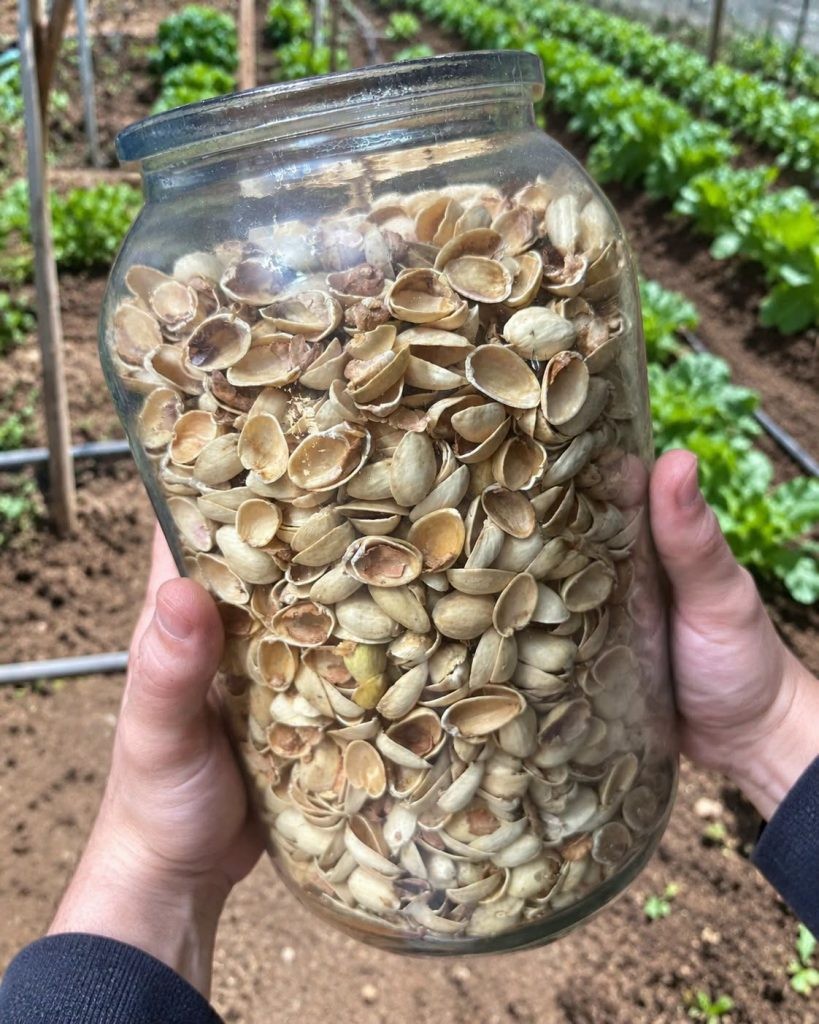
Pistachio Shells: How a Common Kitchen Leftover Can Promote Healthy Soil and Plants
Introduction: From Kitchen Waste to Garden Resource
Pistachios are a popular and nutritious snack known for their rich flavor and crunchy texture. However, the leftover shells are frequently discarded without much thought. As the global push for sustainability and environmental awareness grows, households and gardeners are looking for ways to minimize waste and repurpose what would otherwise end up in landfills. Pistachio shells, when properly handled, offer a unique and eco-friendly resource that can significantly benefit gardens and landscapes. This article explores the scientific background, practical methods, and the potential environmental impact of reusing pistachio shells in gardening, providing an in-depth look at how these humble leftovers can play an important role in sustainable gardening.
Understanding Pistachio Shells: Structure and Properties
Pistachio shells are tough, fibrous materials primarily composed of lignin, cellulose, and hemicellulose. These compounds give the shells their hardness and durability, characteristics that make them resistant to rapid decomposition. According to the United States Department of Agriculture (USDA), pistachio shells contain trace minerals including calcium, potassium, magnesium, and small amounts of nitrogen. While the nutrient value is not as substantial as commercial fertilizers, their physical structure and slow breakdown process make them valuable for several soil-improving applications.
Pistachio shells are also lightweight and porous. When crushed or ground into smaller particles or a fine powder, they increase the surface area for microbial action and interaction within the soil, gradually releasing minerals as they decompose. This slow nutrient release makes them a supplementary soil amendment rather than a primary fertilizer.
Improving Soil Structure with Crushed Pistachio Shells
One of the most significant benefits of using crushed pistachio shells in the garden is their ability to enhance soil structure. Many gardeners struggle with compacted or clay-heavy soils, which restrict root growth and hinder the movement of air and water through the soil profile. By finely crushing pistachio shells and thoroughly cleaning and drying them to remove any salt or flavoring, gardeners can produce a lightweight amendment that blends easily with soil.
When incorporated into the planting area or raised beds, the shells’ coarse texture improves aeration. The small particles create networks of air spaces, promoting healthy root systems. Good aeration is essential for all plants, as roots require oxygen to grow and absorb nutrients efficiently. In clay soils, this added porosity helps prevent excessive compaction and fosters more vigorous plant development.
Expert soil scientists such as those at the Royal Horticultural Society emphasize the importance of soil structure for both water retention and drainage. By serving as a natural aggregate similar to perlite or vermiculite, pistachio shell powder can help gardeners grow crops in soils that might otherwise prove too dense or waterlogged for healthy plant growth.
Moisture Management and Water Conservation
Water management is a critical aspect of gardening, particularly in regions facing prolonged drought or water restrictions. Pistachio shells have a unique ability to absorb and retain moisture. When placed in garden beds or container plants, crushed shell powder slowly releases stored water back into the soil. This function supports plant roots during hot spells or dry periods, potentially decreasing the frequency of watering.
Incorporating pistachio shell powder as a soil amendment also helps reduce surface runoff and evaporation. Improved moisture retention means that nutrients remain available to plant roots for longer periods, supporting stronger growth and resilience. This aspect of water conservation aligns with global efforts to promote water-wise gardening and sustainable horticultural practices, as outlined by organizations such as the Food and Agriculture Organization (FAO) of the United Nations.
Enhancing Soil Fertility and Supporting Microbial Life
While pistachio shells are not a substitute for traditional fertilizers in terms of nutrient load, their gradual breakdown provides modest amounts of minerals. More importantly, the slow decomposition process supports populations of beneficial soil organisms, such as earthworms, bacteria, and fungi, which are essential for healthy soil ecosystems.
As the shells degrade, beneficial microbes feed on the organic matter, helping to cycle nutrients and improve the long-term balance of the soil. This process enhances soil fertility naturally, complementing the addition of other organic materials such as compost or manure. The presence of complex carbohydrates in pistachio shells also encourages microbial diversity, which has been shown in studies published by the American Society for Microbiology to positively influence plant health and resistance to disease.
Pest Management: A Natural Deterrent
Beyond improving soil quality, pistachio shells may offer a form of natural pest deterrent. The rough, jagged texture can be uncomfortable for soft-bodied garden pests like slugs and snails to cross. When sprinkled around the base of vulnerable plants or incorporated into mulch, crushed shells act as a physical barrier, reducing pest damage without the need for synthetic chemicals.
This approach is environmentally friendly and supports integrated pest management strategies recommended by horticultural experts. While not a complete solution for all pest problems, using kitchen leftovers such as pistachio shells can be a valuable tool in managing minor infestations in a safe and sustainable way.
Adding Pistachio Shells to Compost
Compost piles benefit from a balance of carbon-rich materials (browns) and nitrogen-rich materials (greens). Pistachio shells are an excellent source of carbon, helping to offset the high nitrogen content from kitchen scraps and green waste. When added to compost, the shells contribute to the creation of a well-aerated, nutrient-rich end product.
To maximize the value of pistachio shells in compost, it is important to clean them thoroughly and crush them into smaller pieces. This increases the surface area for microbial activity and speeds up decomposition. As a slow-release component, they also ensure that finished compost contains stable, long-lasting nutrients and organic matter for long-term soil improvement.
Environmental Impact: Reducing Waste and Supporting Sustainability
Globally, household food and kitchen waste contribute significantly to landfill volumes and greenhouse gas emissions. Finding innovative ways to recycle and repurpose items like pistachio shells helps reduce the environmental footprint associated with food consumption. By integrating shell recycling into home gardening routines, individuals can divert organic material from the waste stream and support circular, sustainable practices in line with recommendations from environmental agencies such as the Environmental Protection Agency (EPA).
Communities and municipalities around the world are increasingly promoting composting, worm farming, and the use of organic amendments to reduce pressure on landfills and improve soil health. By viewing pistachio shells as a resource rather than waste, gardeners take an active role in these sustainability initiatives.
Expert Views and Scientific Research
Scientific research continues to uncover the potential uses of agricultural byproducts in environmental management. Studies published in journals such as “Waste Management” and “Bioresource Technology” indicate that nut shells can perform well as soil amendments, biochar, or even as substrates for bioremediation in contaminated soils. While much of the research focuses on large-scale agricultural recycling, the principles apply equally well to household gardening practices.
Expert organizations including the Royal Horticultural Society, the United States Department of Agriculture, and various university extension services recommend responsible recycling of organic matter and support experimentation with novel amendments, provided they are clean and free from contaminants.
How to Prepare and Use Pistachio Shells in the Garden
To maximize the benefits of pistachio shells in your garden, follow these simple steps:
- Clean Thoroughly: Remove any salt, flavoring, or residues from the shells by rinsing with clean water. Avoid using shells from pistachios coated with strong seasonings or synthetic ingredients.
- Dry Completely: Spread cleaned shells on a tray and allow them to air-dry or use low heat in the oven to speed up the process.
- Crush or Grind: Use a mortar and pestle, rolling pin, or food processor to crush the shells into smaller pieces or powder, making them easier to blend into soil or compost.
- Incorporate: Mix the crushed shells into soil, sprinkle them as a mulch around plants, or add them to compost piles to support overall soil health and water retention.
Conclusion: From Waste to Resource
With a bit of creativity and effort, pistachio shells can become a helpful tool for gardeners committed to reducing waste and improving their local environment. Rather than heading to the landfill, these durable, mineral-rich leftovers find new purpose supporting plant growth, enhancing soil structure, and contributing to environmentally responsible gardening routines. As more people around the world adopt these practices, small changes like this add up, promoting a more sustainable and resilient approach to food and gardening.
Sources
- Royal Horticultural Society
- United States Department of Agriculture
- Food and Agriculture Organization of the United Nations
- United States Environmental Protection Agency
- Reuters
- BBC
Disclaimer: This content is intended for entertainment purposes only and is not based on real events.