

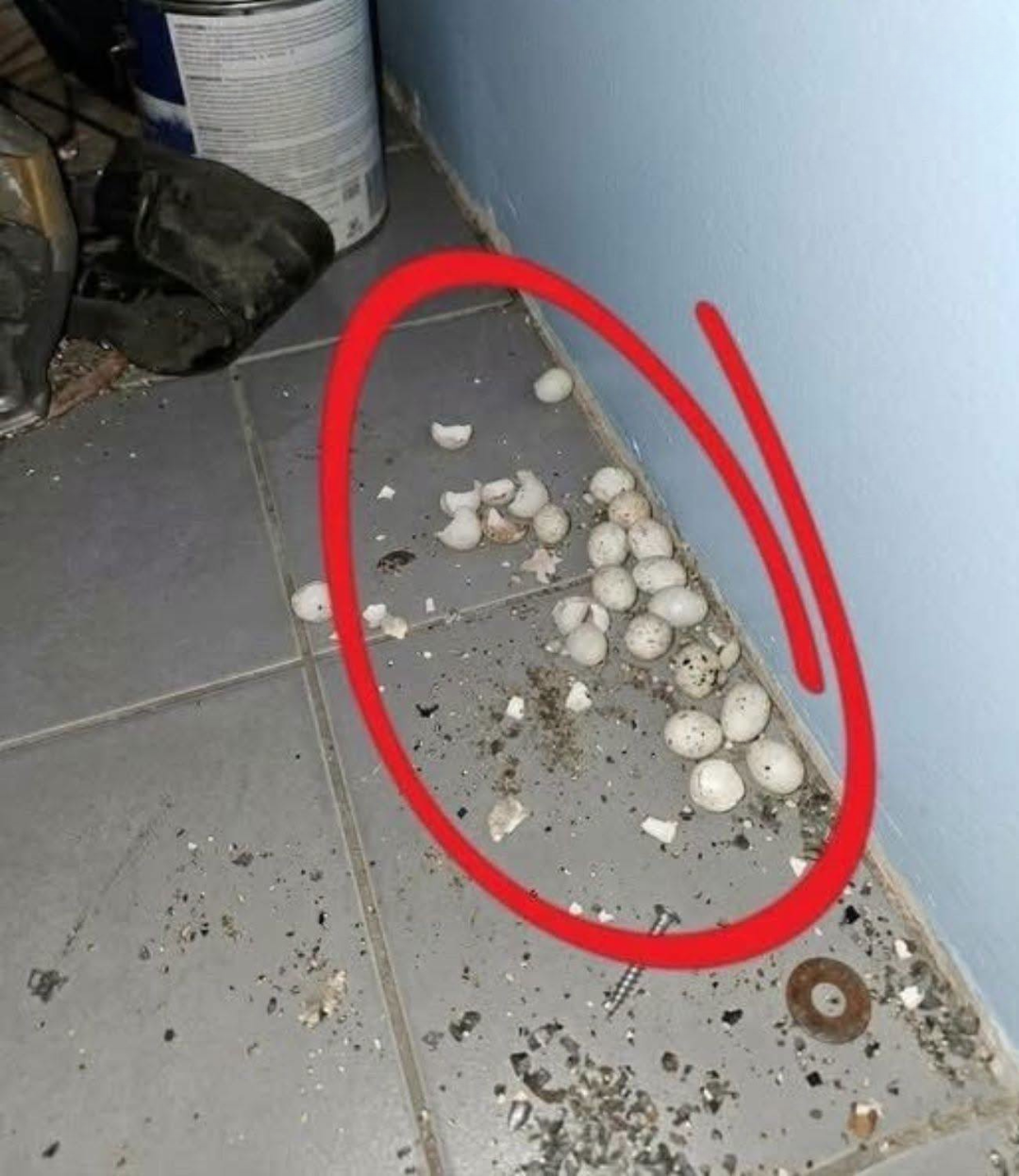
The Mystery of Empty Gecko Eggshells in the Garage
Discovering strange remnants in the quiet corners of a home can trigger a chain of emotions, ranging from curiosity to concern. One evening, a homeowner stepped into the garage only to find the floor beneath a storage shelf scattered with dozens of pale, fragile shells. At first, the tiny, cracked egglets, neatly open, gave an unsettling impression, stirring thoughts of hidden invaders or untold infestations. Yet, upon closer inspection and reflection, the truth was far more benign—and wondrous. These were the empty eggshells of geckos, signs of nature unfolding quietly alongside human life.
Understanding Gecko Eggshells: From Anxiety to Awe
When encountering unfamiliar animal remnants indoors, it’s natural for people to feel uneasy. The sight of small, white, oval shells cracked open in precision may conjure fears of pests. Contrary to these initial worries, discovering empty gecko eggs holds a gentler meaning: these are evidence of a successful hatching, not a lingering infestation.
Geckos, belonging to a diverse group of small, nocturnal reptiles, are found in various warm environments and have adapted closely to human habitats. Their nesting behavior often goes unnoticed, as the eggs are laid in hidden locations and the hatchlings depart swiftly—leaving only their shells behind as quiet evidence of new life.
Why Geckos Lay Eggs Indoors
Homeowners frequently wonder why their garages, attics, or sheds become havens for small wildlife. The reasons stem from the very qualities that make these spaces useful to people—protection, warmth, and minimal disturbance. For geckos, such environments offer ideal nesting opportunities as they provide:
- Quiet, undisturbed corners safe from predators.
- Consistently mild temperatures, away from outdoor fluctuations.
- Shelter from rain, wind, and direct sunlight.
- Small cracks and crevices for hiding.
- Access to insects, their main food source.
Female geckos typically lay small clutches of eggs in secure, concealed places. These eggs often remain unnoticed until hatching has occurred and the empty shells are left behind, usually discovered during cleaning or organizing. This unseen aspect of their life cycle emphasizes just how seamlessly many animals integrate into human-modified environments.
What Do Gecko Eggs Look Like?
Understanding the appearance of gecko eggs can help distinguish them from those of other creatures, as well as avoid unnecessary worry. Some key characteristics include:
- Small and oval-shaped.
- A white or creamy color, blending into dusty or shaded areas.
- Slightly firm or leathery texture when freshly laid.
- Often laid in pairs and cemented together.
- Hidden in sheltered, quiet locations: under shelves, within wall gaps, or behind boxes.
After hatching, eggshells are often split neatly along a single line rather than crushed or scattered. This cleanliness is a hallmark of reptilian emergence, with the hatchlings carefully breaking through and then vanishing into nearby cover.
The Quiet Process of Gecko Hatching
Reptile hatchings are typically solitary and silent affairs. Gecko hatchlings, fully independent from birth, instinctively search for shelter and food, blending quickly into their surroundings. Most garages offer plenty of crevices and hiding spots, such as:
- Wall cavities and cracks
- Underneath shelves
- Behind stacked storage items
- Outdoor corners or gardens if accessible
Due to their nocturnal and elusive nature, it is rare for humans to witness baby geckos directly—usually, only the empty eggshells remain as subtle indicators of their earlier presence. This unobtrusiveness allows geckos to coexist quietly with homeowners, contributing to the local ecosystem with minimal impact.
The Benefits of Geckos in the Home Environment
Despite initial fears, geckos are typically more helpful than harmful within and around homes. As insectivores, they consume a variety of common pests, including:
- Mosquitoes
- Flies
- Moths
- Gnats
- Other household nuisances
Because of their diet, geckos act as a natural pest control, keeping insect populations in check without chemicals. Most species are non-aggressive, shy away from human contact, and rarely cause property damage. This ecological benefit has led many homeowners to see geckos as quiet allies rather than invaders.
Why Discovering Wildlife Indoors Can Be Unsettling
Psychological studies suggest that humans instinctively respond to surprises—especially those involving animals—in environments they consider private or secure. Unfamiliar eggs or animal signs often trigger a search for explanations, with initial anxiety gradually replaced by understanding upon learning the true, often benign, cause. This process reflects ancient human instincts, where awareness of hidden animal activity was linked to safety.
However, as more people become aware of the harmless and sometimes beneficial presence of wildlife like geckos, such discoveries can transform into moments of curiosity and engagement with the quieter aspects of nature.
Nature’s Subtle Presence in Everyday Spaces
Encounters with nature within homes challenge the perception that human environments are sealed off from the natural world. From birds nesting under roof eaves to geckos laying eggs behind shelves, many species adapt resourcefully to urban life. Even cracks in pavement or walls can enable new ecological relationships to thrive unnoticed.
Cultural Symbolism of Geckos and Lizards
Lizards and geckos have featured in cultural traditions worldwide, often symbolizing adaptability, renewal, and resilience. Some cultures view them as protectors, beneficial presences, or emblems of transformation due to their survival skills and the shedding of their skins. In practical terms, their role as insect controllers adds to their positive associations in many households.
How Garages Become Wildlife Sanctuaries
Garages inadvertently offer microhabitats ideal for small reptiles and other animals. Factors that attract wildlife to garages include:
- Stacks of boxes and clutter providing cover
- Consistently warm surfaces and ambient temperatures
- Shaded, dark corners with limited human interference
- Garden proximity for food and shelter, especially where exterior lights attract insects
- Small gaps in walls or doors allowing access
Experts note that animals select nesting locations based more on safety, warmth, and food sources than proximity to humans. Thus, a garage shelf often presents ideal conditions for a gecko’s clutch of eggs to develop in security.
Expert Advice: Humane Prevention Tips
While geckos are harmless in most situations, those wishing to minimize wildlife activity indoors can do so humanely. Recommended measures include:
- Regularly inspecting and sealing small gaps in walls and windows
- Using screens on vents and open doors
- Reducing outdoor lights near entry points to discourage insect attraction
- Minimizing clutter and keeping storage areas organized
- Controlling excess moisture to prevent attracting other insect prey
These non-invasive steps help maintain the balance between human comfort and the harmless presence of nearby wildlife.
The Emotional Impact of Small Natural Discoveries
Encounters with nature in familiar domestic spaces often spark emotional responses—sometimes starting as apprehension but eventually leading to a sense of wonder or connection. The sight of empty gecko eggshells can serve as a gentle reminder of the subtle natural events that unfold unnoticed in the midst of human routines. These discoveries momentarily draw our attention away from daily distractions and toward the remarkable cycles of life that persist quietly nearby.
Our Fascination with Hidden Natural Mysteries
People are inherently drawn to the mystery of unnoticed natural activity within known surroundings. Such moments encourage deeper observation and awareness, prompting homeowners to reconsider familiar spaces and the life those spaces support. Through these small reminders, we reconnect with curiosity, learning, and an appreciation for the resilience of nature.
Conclusion: Nature’s Quiet Coexistence
The initial surprise of finding empty gecko eggshells in the garage transforms, with understanding, into admiration for the adaptability of both wildlife and the built environment. This subtle interaction reveals that despite our fast-paced lives and man-made structures, the cycles of birth, growth, and renewal continue, often unnoticed, in the quiet corners of our homes. Such moments enrich our experience, highlighting the value and beauty of quiet natural processes that unfold just beyond the immediate focus of daily life.
Sources
- National Geographic Reptile Resources
- Smithsonian National Zoo Reptile Information
- San Diego Zoo Wildlife Explorers Reptile Guide
- The Humane Society Wildlife Advice
Disclaimer: This content is intended for entertainment purposes only and is not based on real events.