


Sally Field Reveals Her Most Awkward On-Screen Kiss: A Look at Her Hollywood Journey
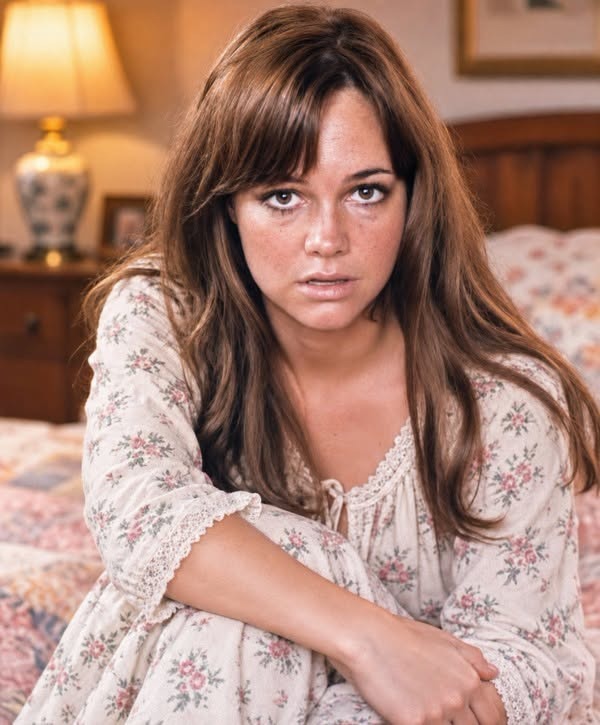
Introduction: When Real Chemistry Meets Hollywood Awkwardness
Sally Field, a celebrated actress with two Academy Awards and a reputation as one of Hollywood’s most enduring figures, recently made a candid confession that drew widespread attention. When asked to name her worst on-screen kiss, Field responded honestly, naming Burt Reynolds—a legendary actor and her former romantic partner—as the source of an unexpectedly awkward moment. Her willingness to reveal such a personal detail about her professional experience offers unique insight into the realities of acting and filmmaking, and illustrates the often complicated intersection between real-life relationships and on-screen performances.
Burt Reynolds and Sally Field: Beyond the Legend
Burt Reynolds and Sally Field’s partnership has been a point of fascination for audiences and Hollywood insiders alike. Their romantic relationship off-screen was well documented, believed to fuel the chemistry in films such as Smokey and the Bandit. Audiences often assume that genuine feelings translate seamlessly into memorable cinematic moments. However, as Field’s recent comment reveals, reality is often more nuanced.
Field openly described a particular kissing scene from Smokey and the Bandit as notably uncomfortable. Despite their affection for each other, several factors conspired against a natural, romantic performance. She referred to strange blocking—the way actors move and position themselves for the camera—as a major reason for the scene’s awkwardness. Technical demands on the set, such as lighting and direction, combined with Reynolds’ enthusiastic approach, made the moment feel forced and artificial, rather than the easy chemistry audiences expected.
This revelation challenges the common assumption that genuine off-screen relationships always enhance on-screen performances. Field’s experience shows how the mechanics of filmmaking—camera angles, scripting, stage directions, and the presence of a crew—can disrupt what would otherwise be a natural interaction.
The Nature of On-Screen Chemistry: Expert Insights
Field’s anecdote provides an entry point into a broader conversation about chemistry in film and television. Directors, casting agents, and actors themselves frequently discuss the unpredictability of on-screen dynamics. According to film experts, genuine connection between actors is just one piece of the puzzle; success in a scene requires technical skill, adaptability, and the ability to manage the artificially constructed environment of a movie set.
Academics studying performance psychology note that even actors with close relationships must perform within the constraints imposed by the script, director, and production schedule. In some cases, the pressure of delivering a particular outcome—especially in intimate scenes—can make the experience less spontaneous and more stressful. Sally Field’s admission resonates with other actors who have described similarly awkward situations, underscoring the often unspoken realities of film production.
Industry professionals agree that honest discussions like Field’s help demystify Hollywood’s glamorous image. They encourage audiences to appreciate the skill behind movie magic and remind us that even legends must navigate real challenges.
Sally Field: A Career Defined by Resilience and Reinvention
Sally Field’s openness about her experiences is emblematic of her larger career and public persona. Early in her journey, Field became a household name through comedic and lighthearted performances in television series such as Gidget and The Flying Nun. These roles, while beloved, initially typecast her in narrow stereotypes of cheerfulness and innocence.
Refusing to be confined, Field continually sought opportunities to expand her repertoire. Her breakthrough came with Norma Rae, a drama in which she played a courageous factory worker fighting for labor rights. The role earned her the first of two Academy Awards and marked a significant shift in her career trajectory. Field followed with acclaimed performances in Places in the Heart—winning her second Oscar—along with critical roles in Steel Magnolias, Mrs. Doubtfire, and Forrest Gump.
Field’s willingness to embrace challenging characters, tackle social issues, and reject industry expectations has made her one of Hollywood’s most respected figures. Her performances have consistently reflected authenticity, vulnerability, and strength, resonating with audiences for decades.
Continuing Influence and Modern Projects
As Field’s career evolved, she retained her commitment to honesty and reinvention. In recent years, she authored a memoir revealing her professional and personal struggles, including battles with typecasting and the emotional drain of Hollywood’s demand for perfection (The Guardian). Her candid reflections received widespread praise for their authenticity and courage.
Field’s contemporary work includes projects like Dispatches From Elsewhere and Winning Time, demonstrating her ability to adapt and remain relevant in an ever-changing industry. Her performances are celebrated for their depth and nuance, reinforcing her legacy as an actor who refuses complacency. Whether on the big screen or in television, Field brings the same honesty she used to describe her awkward kiss with Reynolds—making her relatable not just as a performer but as a person.
Her continued visibility encourages a new generation of actors to approach the industry with integrity, authenticity, and a willingness to engage directly with audiences.
The International Response: Hollywood Honesty and Public Perception
Field’s revelation is part of a larger trend toward transparency in Hollywood. Over recent years, actors, directors, and producers have begun speaking more openly about the realities and challenges of filmmaking. Industry professionals, journalists, and fans alike have responded positively, noting that such honesty helps humanize those in the public eye.
Globally, audiences appreciate moments that demystify cinematic magic, bringing legendary actors like Field closer to the everyday realities experienced by viewers. Her comments, covered widely in press and entertainment publications, contributed to ongoing discussions about professionalism, boundaries, and emotional labor in film.
In a time when entertainment news often dwells on sensationalism, Field’s thoughtful and good-humored approach stands out. She sets an example for others in the industry, demonstrating that vulnerability and plain-speaking can enhance rather than diminish an artist’s reputation.
Conclusion: Sally Field’s Enduring Legacy
Sally Field’s candid discussion of her most awkward on-screen kiss, particularly with Burt Reynolds—a partner both in life and art—underscores the complex nature of acting. It reminds us that even the most talented performers face moments of imperfection, and that authenticity sometimes entails revealing less glamorous truths. Her remarks also highlight broader issues about the demands of filmmaking, the limitations of real-life chemistry within scripted contexts, and the importance of professionalism.
Far from diminishing her legacy, Field’s honesty strengthens it. Her career, spanning comedy, drama, activism, and memoir-writing, is a testament to perseverance and a refusal to settle. As audiences await her future projects and continue to revisit her classic roles, Sally Field remains a symbol not only of creative excellence but also of humanity and openness.
Ultimately, Field’s story is about more than one awkward scene—it is a celebration of continuous reinvention, vulnerability, and the enduring power of authenticity in the arts.
Sources
Disclaimer: This content is intended for entertainment purposes only and is not based on real events.