

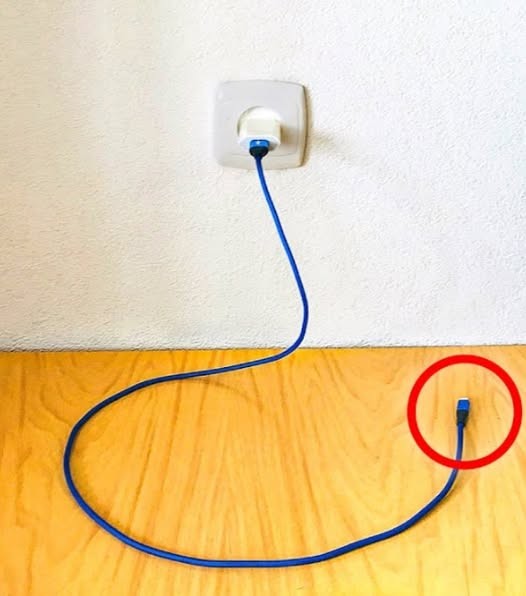
Silent Threat in Your Wall: The Hidden Dangers of Unattended Chargers
Introduction: The Unseen Risk Lurking in Everyday Life
Modern life is tightly woven with technology, making electronic devices indispensable in homes, offices, and public spaces. With the ready convenience of keeping devices powered, it is common to leave phone, tablet, or laptop chargers plugged into wall outlets at all times. These seemingly harmless actions, however, mask risks that can quietly develop over time. This article delves into the science, potential dangers, preventive strategies, and expert recommendations regarding the habit of leaving chargers unattended in electrical sockets.
How Do Chargers Work?
At their core, chargers are devices that convert alternating current (AC) from the wall outlet into the direct current (DC) required by electronic devices. This conversion involves components such as transformers, rectifiers, filters, and integrated circuits. These parts work together continuously when the charger is plugged in, regardless of whether a device is actively connected and charging.
A plugged-in charger draws a small but steady electrical current from the outlet, known as standby or “vampire” power. According to the U.S. Department of Energy, standby power in homes can account for up to 10% of household electricity use, largely due to chargers and similar devices left running when not needed.
Silent Deterioration: How Chargers Degrade Over Time
Unlike obvious electrical hazards, the risks associated with idle chargers are not readily apparent. Components inside chargers—such as capacitors, resistors, and insulating materials—gradually degrade due to constant exposure to electrical current and heat. Over months or years, this slow breakdown can lead to:
- Cracking and Drying: Internal materials designed to insulate and dissipate heat can dry out, become brittle, or develop micro-cracks over repeated heat cycles.
- Weakened Solder Joints: Thermal expansion and contraction may weaken the solder that holds components together.
- Reduced Insulation: The breakdown of insulating materials can create potential for short circuits, especially if the charger is subject to surges or moisture.
Potential Hazards of Idle Chargers
The slow and silent deterioration inside a charger increases multiple risks:
- Fire Hazard: Malfunctioning chargers are among the leading causes of electrical fires in homes. The U.S. Fire Administration lists electrical malfunctions, including those in small electronic devices, as a significant contributor to residential fires.
- Electric Shock: Exposed parts due to wear or accidental physical damage can result in shocks if touched, posing risks especially to children and pets.
- Power Surges: A degraded charger may be less capable of handling sudden voltage fluctuations, making it more likely to fail catastrophically during a surge.
- Energy Waste: Even a charger that operates safely contributes to unnecessary energy consumption when left plugged in. Over time, this adds up to higher utility bills and increased carbon emissions.
What Experts Say: Assessing the Risks
Electrical safety experts and agencies worldwide caution against leaving chargers constantly plugged in. The UK’s Electrical Safety First organization warns that even modern chargers are not designed for continuous, unattended use and should be unplugged after use. Similarly, the U.S. Consumer Product Safety Commission highlights that worn or poor-quality chargers significantly increase the risk of electrical fires and personal injury.
Dr. John Drengenberg, Consumer Safety Director at Underwriters Laboratories (UL), explains that miniature transformers inside chargers can overheat and fail if they are left energized for long periods—especially if cheap, counterfeit, or non-certified chargers are in use. “It’s rarely the new charger that fails; it’s the one that’s been in the socket for years, slowly degrading,” Drengenberg notes.
The National Fire Protection Association (NFPA) recommends the use of certified chargers from reputable manufacturers, regular inspection of cords and plugs for wear, and unplugging devices when not in use to lower risks.
High-Risk Scenarios: Who Should Be Most Concerned?
- Homes with Young Children and Pets: Curious hands or paws may try to interact with plugged-in chargers and outlets, increasing the risk of shock or burns.
- Older Homes: Buildings with outdated wiring or insufficient circuit protection are at a higher risk when chargers malfunction.
- Use of Counterfeit or Poor-Quality Chargers: Non-certified products may cut corners in design, safety, and insulation, making failure more likely than with products from reputable manufacturers.
Documented Incidents: Lessons and Warnings
Several publicized incidents have highlighted the real-world risks associated with unattended chargers. For example, UK fire services have reported house fires traced back to phone chargers left plugged in overnight. Similar reports from the United States, Australia, and across Europe document instances where damaged or low-quality chargers ignited materials nearby, resulting in property loss and, in rare cases, injury.
Such incidents have led to public awareness campaigns and strengthened standards for electronic device chargers in multiple countries, underscoring the importance of vigilance and proper product selection.
Best Practices: How to Protect Your Home and Family
- Unplug After Use: Remove chargers from the outlet once a device is fully charged.
- Avoid Overloading Outlets: Do not daisy-chain chargers into power strips or extension cords, which can overheat.
- Inspect Regularly: Check all cords and plugs for cracks, frays, bending, or signs of melting. Replace damaged chargers immediately.
- Buy Certified Products: Use chargers that meet local or international safety standards, such as UL (United States), CE (Europe), or TUV (Germany) marks.
- Supervise Children and Pets: Keep chargers and cords out of reach, and consider using outlet covers.
- Don’t Use Near Flammable Materials: Avoid placing plugged-in chargers on beds, under pillows, or near curtains.
- Replace Aged Chargers: Consider replacing chargers that are several years old, especially if they show signs of frequent use or wear.
- Handle Surges: Use surge protectors for additional safety, especially in areas prone to voltage fluctuations.
Global Standards and Regulatory Responses
Various countries have introduced regulations and guidelines for charger safety. The European Union mandates that all chargers must comply with strict electromagnetic compatibility and safety standards. In the United States, chargers sold must meet the requirements of national testing laboratories to ensure insulation, temperature, and fire resistance.
Retailers are being held more accountable for selling only compliant, certified products. Online marketplaces have taken steps to remove listings for counterfeit or non-compliant chargers following consumer safety warnings.
Technological Solutions and Innovations
The electronics industry has responded to these risks with design improvements. Many modern chargers include automatic shut-off features, temperature regulation, and smart sensing capabilities to disconnect power once a device is fully charged. Wireless charging systems and “smart outlets” are designed to monitor current flow and cut off power to plugged-in devices when they’re not in use.
However, experts point out that no technology can substitute for good consumer habits. Manual unplugging after use remains a key aspect of home electrical safety.
Frequently Asked Questions
Is it dangerous to leave a charger plugged in with nothing attached?
While the risk is lower when no device is connected, continuous power flow causes gradual degradation and presents potential shock hazards or fire risks, especially with old or poor-quality chargers.
How much electricity does an idle charger use?
Individually, a typical charger uses only 0.1-0.5 watts when idle, but the cumulative effect across multiple devices and over time is significant for energy waste and costs.
Do charger brands make a difference?
Yes. Reputable brands that meet official safety certifications are much less likely to fail or pose safety hazards compared to counterfeit or non-certified products.
Should I replace chargers regularly?
If a charger shows any signs of wear, overheating, discoloration, or feels especially hot to the touch, it should be replaced immediately.
Conclusion: A Small Habit, Big Safety Impact
The habit of leaving chargers plugged in may seem harmless, but scientific evidence and expert analysis highlight silent, cumulative risks. Incremental component degradation, energy waste, fire hazards, and the threat of shock—especially for vulnerable populations—make it prudent to unplug chargers when not in use. Following safety best practices and using certified products, consumers can greatly reduce personal and property risks, making common-sense electrical safety an integral part of responsible, modern living.
Sources
- U.S. Department of Energy
- Consumer Product Safety Commission
- U.S. Fire Administration
- National Fire Protection Association
- Electrical Safety First
- BBC News Technology
- Reuters Technology
- European Union Official Portal
Disclaimer: This content is intended for entertainment purposes only and is not based on real events.