
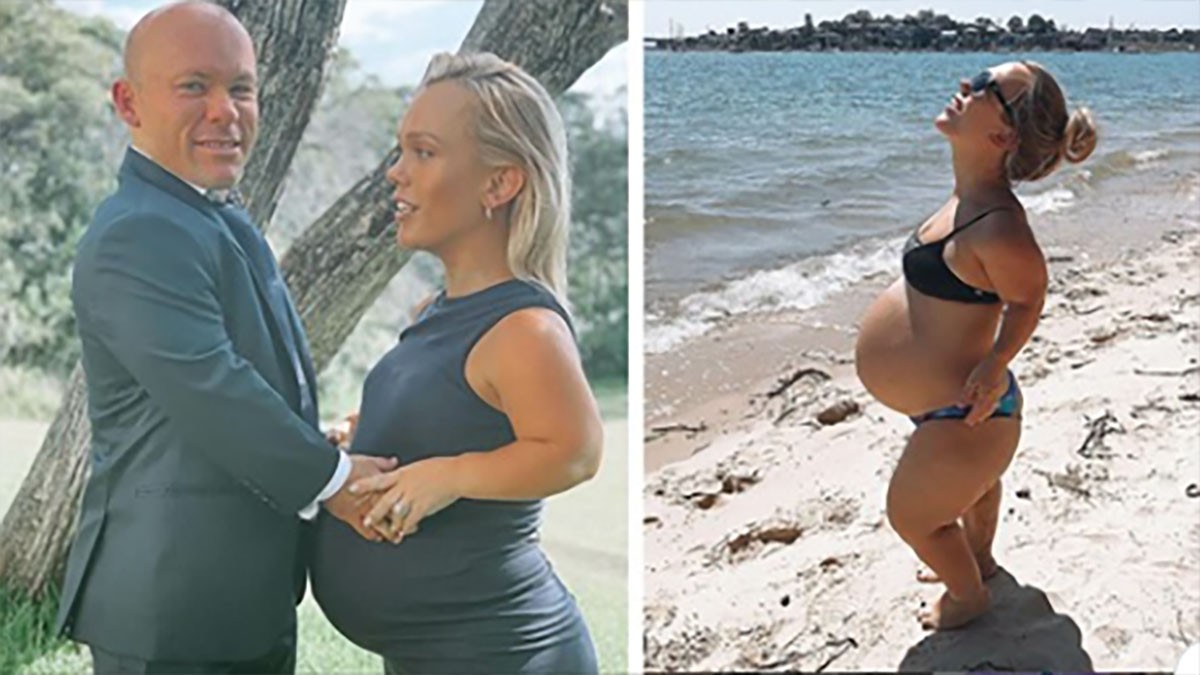
Charli Worgan: Educating the World About Parenting, Genetics, and Dwarfism

Introduction: Challenging Expectations and Opening Conversations
Parenthood is a journey filled with expectations, questions, and, for some families, unique challenges. For Charli Worgan and her husband Cullen, two Sydney-based parents each living with a different form of dwarfism, the questions have often taken on a different tone than those many married couples receive. Frequently, instead of the usual “when will you have children?” they are asked “why?” Their decision to start a family, and their openness in sharing their experiences, have sparked vital conversations about genetics, disability, and inclusivity.
Charli and Cullen: Overcoming Societal Scrutiny
Charli and Cullen’s story is one of resilience and education. Both individuals have distinct types of dwarfism and, as such, have been subject to public attention and scrutiny, particularly as they approached the decision to become parents. Charli, a passionate advocate for education and empathy, chose to channel her experiences into a social media journey. By sharing the ups and downs of family life with dwarfism, she aimed to correct common misconceptions and foster understanding. The response was overwhelming: her Instagram account now has a community of over 300,000 followers, with people eager to learn and support their family’s journey.
Genetics, Dwarfism, and Informed Parenthood
When Charli announced that she was 14 weeks pregnant with her third child, it was a moment mixed with both hope and anxiety. For families like the Worgans, each pregnancy brings with it the usual anticipation, combined with the intricate realities of genetic inheritance. Charli and Cullen’s unique genetic backgrounds mean that their children may inherit one parent’s form of dwarfism, may be of average height, or—through the combination of both gene variants—may have a double-dominant form which medical consensus regards as incompatible with life.
This complexity transforms the early stages of pregnancy: while many expectant parents celebrate the 12-week milestone as the time to publicly announce their pregnancy, Charli instead underwent Chorionic Villus Sampling (CVS), a diagnostic test that involves the insertion of a needle through the abdomen to collect placental tissue. While vital, the procedure carries its own risks, including a roughly 2% chance of miscarriage. Despite the challenges, Charli underscores the importance of making informed, responsible choices about family planning and health, with compassionate guidance from medical professionals.
The Science Behind Genetic Inheritance in Dwarfism
Dwarfism can result from many different genetic causes, with over 300 different conditions known to lead to short stature. Achondroplasia, the type of dwarfism that Charli has, is caused by a mutation in the FGFR3 gene. Cullen lives with Geleophysic Dysplasia, a rarer condition characterized by distinct genetic mechanisms. If a child inherits both altered copies—one from each parent—they could have what is referred to as “double dominant dwarfism.” Medical literature documents this combination as typically fatal, often resulting in miscarriage or the child passing away shortly after birth due to compromised organ development. These biological realities add emotional and medical weight to each pregnancy decision the couple makes, and shape the type of prenatal testing and planning required.
The Pregnancy Journey: Navigating Genetic Testing and Emotional Decisions
The experience of pregnancy for Charli is far from routine. In her own words, “when most at 12 weeks are celebrating the joy of being able to announce pregnancy, I was lining up for Chorionic Villus Sampling.” This testing seeks to determine the baby’s genetic makeup, offering essential information about which of four outcomes the baby could face:
- Birth with average height
- Inheritance of Achondroplasia (like Charli)
- Inheritance of Geleophysic Dysplasia (like Cullen)
- Inheritance of both conditions (double dominant dwarfism), which medical experts agree is not survivable
Charli’s social media posts delve into these complexities, illustrating not only the technical aspects of genetic counseling and diagnosis, but also their emotional impact. She describes the process of waiting: “If I can bring this little one into the world come March 2021, or if his or her journey finishes here.”
Facing Criticism and Promoting Understanding
Living in the public eye, especially when countering stereotypes or misunderstandings, can be challenging. Throughout her pregnancies, Charli has addressed criticism directly. Some individuals have questioned her decision to have children, given the genetic odds, but Charli’s transparency invites empathy and deeper consideration. She writes, “I’ve copped criticism for choosing to have babies with these odds… however by sharing this tiny piece of the puzzle those who doubt can see that bringing a child into this world with my odds is no simple decision and it’s all about being kind.”
Far from being a plea for sympathy, Charli’s message is a call for informed compassion and recognition of parental agency. As medical ethicists and genetic counselors emphasize, every family’s assessment of risk, hope, and meaning is deeply individual and deserves respect (see sources below).
Welcoming Rip: Celebrating Life and Parenting
Charli and Cullen are now the proud parents of three thriving children. Their daughters, Tully and Tilba, each inherited one of their parents’ conditions, reflecting the unique genetics of their family tree. In February, the couple welcomed their third child, a son named Rip. Charli shared snapshots of this milestone with her community, writing, “I’m tired but I’m feeling ever so grateful and lucky. There’s no ‘correct’ way to do motherhood, but I’m sure as anything there’s no ‘wrong’ way either.”
This approach underscores a universal truth about parenting: that the journey is filled with challenges and rewards, none of which follow an exact script. The Worgan family’s honesty resonates with parents everywhere, whatever their background, about the joys and tribulations of nurturing young lives.
Advocacy, Education, and the Power of Social Media
While raising a family with a visible difference often attracts attention—both supportive and critical—the Worgans have used their platform to foster greater understanding of disability, genetics, and the diversity of family structures. Their Instagram presence not only documents family milestones but also offers resources, information about genetic science, and first-person reflections that help shift public perceptions. This form of digital advocacy aligns with broader societal movements for inclusion and representation, echoing the work of organizations such as Little People of America and the Dwarf Sports Association in Australia. By sharing their story, Charli and Cullen have become informal educators, helping thousands navigate misconceptions and encouraging respectful dialogue.
Understanding Genetic Counseling and Parental Choice
The Worgans’ experience highlights the critical role of genetic counseling in modern parenting, especially for families aware of inheritable conditions. Genetic counselors are healthcare professionals trained to help prospective parents understand the chances of genetic conditions being passed on, interpret test results, and navigate subsequent decisions around pregnancy and family planning. As the Worgans demonstrate, such counseling is not about recommending or discouraging parenthood, but rather about supporting informed choices in the context of complex realities. This reflects best practices as outlined by agencies like the Centers for Disease Control and Prevention (CDC).
Media Representation and Societal Reactions
The public dialogue around Charli and Cullen’s journey reflects wider attitudes toward visible disability and rare genetic conditions. International media, including outlets such as the BBC and The Guardian, have documented increasing support for the visibility and inclusion of people with disabilities. The Worgan family’s story is part of a larger conversation emphasizing the value of sharing personal narratives, which humanize medical debates and foster greater acceptance. Societal response has largely been positive, with fans, parents, and advocacy organizations alike celebrating the family’s openness and resilience, though instances of ableist criticism persist—underscoring the ongoing need for education and advocacy.
Expert Views: Genetics, Pregnancy, and Disability Rights
Genetics experts agree that families like the Worgans are navigating some of the most complex questions around inheritance, medical risk, and ethics in contemporary society. The process of weighing statistical risk against personal values is a deeply individual one. Disability rights advocates stress that the right to parenthood extends to people with all kinds of bodies and experiences, and that society benefits from welcoming diverse family structures. Medical organizations such as the Mayo Clinic outline that prenatal testing, such as CVS and amniocentesis, plays a crucial role for families at increased risk for genetic conditions—allowing for tailored medical care, support planning, and, where needed, psychological counseling.
Conclusion: Parenting, Courage, and the Value of Sharing
Charli Worgan’s ongoing advocacy and storytelling reinforce a central truth: despite genetic differences or societal expectations, parenting is a universal journey. The family’s decision to share both their challenges and their joys educates a global audience, counters stigma, and inspires conversations about choice, diversity, and love. Their story is a testament to informed, courageous, and empathetic parenthood in the 21st century. By refusing to let genetics or public scrutiny define their lives, Charli and Cullen are helping to shape a more inclusive and compassionate world for all families.
Disclaimer: This content is intended for entertainment purposes only and is not based on real events.