Understanding the Appearance of Veins on Your Hands: Medical Insights and Wellness Tips
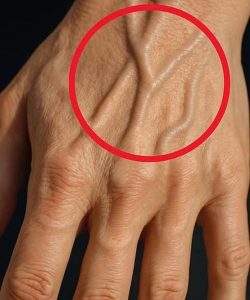
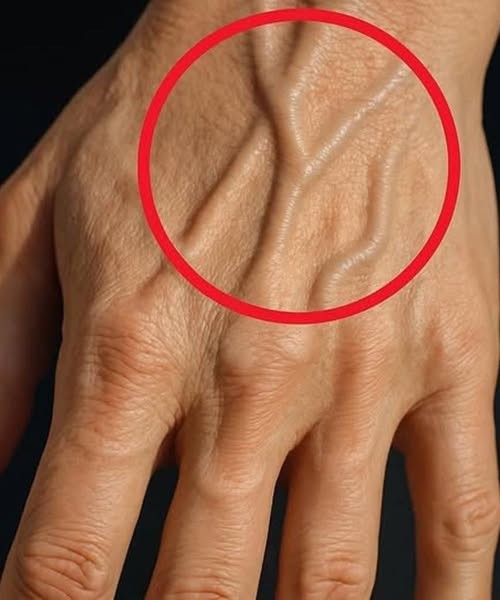
Many people experience a moment of concern upon noticing blue, rope-like veins on the backs of their hands. This sight can cause anxiety and worry about potential underlying health conditions. However, in most instances, visible veins are not indicative of serious medical problems. It is important to understand the anatomical and physiological reasons why veins may appear more prominent, and to recognize normal variations from signs that warrant medical attention. This article examines the science behind the appearance of veins, dispels common fears, and provides reliable information backed by medical experts.
Anatomy of Veins: Why Some Are More Visible
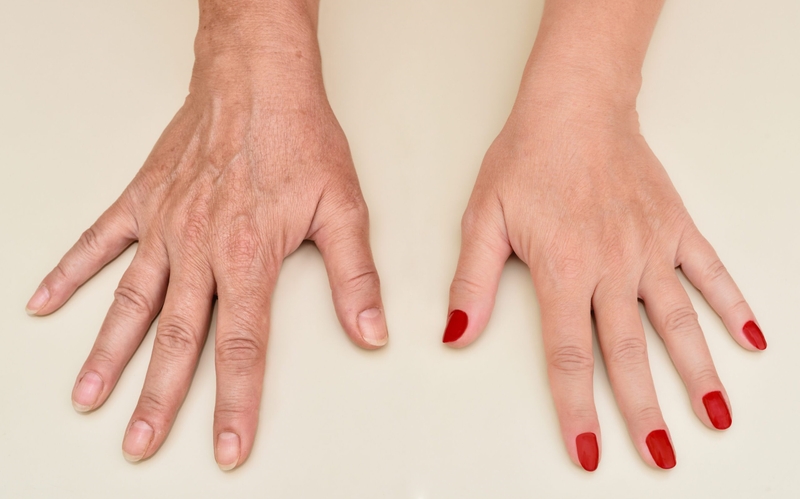
Veins are blood vessels responsible for returning deoxygenated blood from various tissues back to the heart. The structure of veins differs from arteries, as veins contain thinner walls and less muscular tissue, making them more flexible but also more prone to appearing beneath the skin, especially in certain areas such as the hands. The transparency of skin and the proximity of veins to the skin’s surface play key roles in how visible veins are. People with lighter skin tone or thinner skin, which can occur naturally with aging, tend to have more visible veins. Additionally, body composition, hydration status, and genetic factors also contribute to this phenomenon.
Medical Context: When Are Visible Veins Normal?
For most individuals, visible hand veins are a normal anatomical feature and not a cause for alarm. In medical practice, visible veins are commonly seen in:
- Aging: As skin loses collagen and becomes thinner with age, the underlying veins are more likely to show.
- Physical Activity: Exercise increases blood flow, which can temporarily cause veins to bulge, particularly after weightlifting or aerobic activity.
- Genetics: Hereditary factors dictate vein placement, size, and skin attributes, influencing vein visibility.
- Low Body Fat: Individuals with lower fat under the skin tend to have more prominent veins.
- Warm Temperatures: Heat causes veins to dilate as the body releases excess heat, further enhancing their visibility.
These factors combine to make vein appearance a normal part of human anatomy for many people, especially seniors, athletes, and those with specific genetic features.

Common Causes of Prominent Veins on Hands
Aside from natural factors, several temporary or benign causes can increase vein visibility:
- Hydration and Diet: Dehydration can lead to decreased skin fullness, revealing veins. High sodium diets may also temporarily enlarge veins.
- Physical Activity: Exercise expands blood vessels, especially in muscular or active individuals.
- Hormonal Fluctuations: Hormones can affect blood vessel tone and size, particularly during periods of natural change.
- Medications: Certain drugs may dilate blood vessels or affect skin tone, like steroids or vasodilators.
These causes are typically benign and resolve with lifestyle adjustments or as the situation changes.
Medical Conditions Related to Visible Hand Veins
While most causes are harmless, certain medical conditions may present with prominent veins alongside other symptoms. It is important to distinguish normal vascular changes from signs of potential health issues, such as:
- Varicose Veins: Usually occur in the legs, but occasionally can develop in the hands. These are veins that become enlarged, twisted, and may cause aching discomfort.
- Thrombophlebitis: Inflammation or clot formation in a vein can cause it to appear raised, tender, and red.
- Chronic Venous Insufficiency: Poor blood return from extremities can result in swelling, skin changes, and visible veins, mostly in the legs but rarely in the hands.
- Heart or Kidney Diseases: These often present with other symptoms, such as swelling, fatigue, and abnormal laboratory findings. Isolated visible veins on hands are rarely a sign of organ malfunction without associated symptoms.
Consulting a healthcare professional is warranted only if visible veins are accompanied by pain, swelling, discoloration, or other new and concerning signs.
Expert Insights: What Doctors Say About Hand Veins
According to vascular specialists and dermatologists, visible veins are generally part of the aging process and rarely point to serious disease. The Mayo Clinic emphasizes that visible veins are common in older adults and athletes and rarely require medical treatment unless accompanied by other symptoms like swelling or persistent pain.
Physicians advise individuals to consider personal and family history, the onset and development of symptoms, and whether any new signs have appeared before seeking medical consultation. Most online rumors about visible veins signaling organ failure are unfounded and not supported by scientific evidence.
Prevention and Wellness: Caring for Vascular Health
Although visible veins might be unavoidable due to aging or genetics, maintaining vascular health is essential. Here are evidence-based recommendations for keeping the circulatory system healthy:
- Hydration: Drink adequate water daily to maintain skin elasticity and promote healthy blood flow.
- Balanced Diet: Consume foods rich in vitamins, such as vitamin C and E, to support skin integrity and vessel health. Limit excessive salt intake, which can cause temporary swelling and vascular dilation.
- Regular Exercise: Physical activity improves circulation and strengthens vascular walls, reducing the risk of venous disorders.
- Healthy Weight: Maintain a healthy weight, as excessive body fat can affect vascular health and circulation.
- Avoid Prolonged Standstill or Sitting: Encourage blood flow by moving regularly, stretching, and avoiding sedentary positions for long periods.
- Protect Skin: Use sunscreen and moisturizers to prolong skin health, which may reduce the prominence of superficial veins over time.
- Limit Harmful Habits: Reduce smoking and excessive alcohol consumption, as these negatively impact vascular and skin health.
These lifestyle strategies not only help maintain the appearance of your hands but also reduce the risk of developing vascular conditions throughout the body.
When Should You Seek Medical Help?
Visible hand veins are rarely a sign of disease. However, medical consultation is advised if you notice:
- Sudden onset of vein prominence with swelling, pain, or redness
- Unexplained changes in skin color or texture
- Persistent discomfort or pressure at the site of visible veins
- Symptoms such as fatigue, abnormal swelling elsewhere, or unexplained weight changes
Your physician can provide a thorough assessment, including medical history, physical examination, and, if necessary, vascular studies to rule out underlying conditions.
Healthy Lifestyle Advice for Circulatory Wellness
To support overall circulatory health, incorporate the following habits into your daily routine:
- Stay Active: Walking, cycling, and swimming stimulate healthy circulation.
- Eat Nutrient-Rich Foods: Choose whole grains, fruits, vegetables, lean proteins, and foods high in antioxidants for vascular health.
- Check Up Regularly: See your healthcare provider for routine monitoring of blood pressure, cholesterol, and overall vascular health.
- Manage Stress: Stress can affect hormone levels and blood vessel tone. Practice relaxation techniques, meditation, and adequate sleep.
By following these strategies, you optimize the health of your entire vascular system, minimizing risks associated with both visible veins and more serious conditions.
Conclusion
The appearance of blue, rope-like veins on the hands is a common anatomical variation influenced by age, genetics, activity, and external conditions such as temperature and hydration. Concerns relating to visible veins are often based on misinformation or unwarranted fears. Unless accompanied by uncomfortable symptoms, visible veins are typically benign. Understanding the science and context surrounding this phenomenon, and keeping informed with expert guidance, helps individuals address fears and focus on maintaining good vascular health using proven prevention and healthy lifestyle strategies.
Disclaimer: This content is intended for entertainment purposes only and is not based on real events.