The Science Behind Fingernail Changes: What Your Nails Reveal About Health and Aging
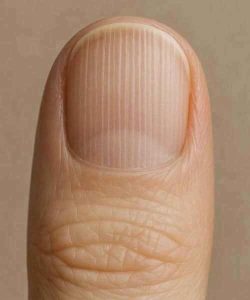
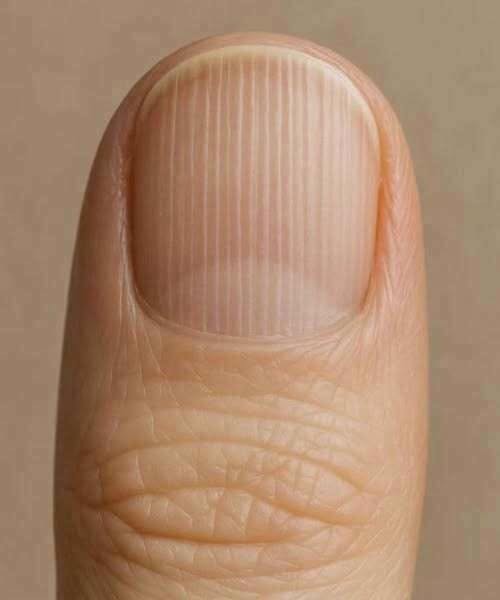
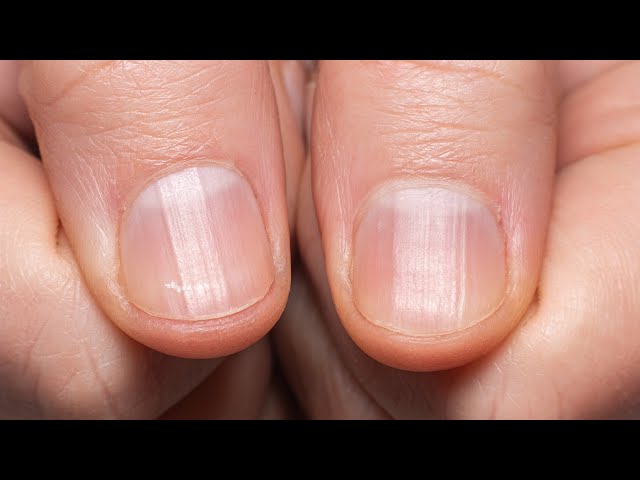
Fingernails may seem like a minor detail in the human body, but they are remarkable in what they reveal about our overall physical health, age, and cellular function. The surface of a single fingernail, viewed under close inspection, can present a story written not in ink, but in the subtle ridges, coloration, and texture. What initially appears flawless in a thumbnail may, upon further scrutiny, expose evidence of time, blood circulation, cellular health, and subtle changes beneath the skin. By understanding the scientific and medical context behind fingernail changes, individuals can gain useful insights into aging, disease prevention, and long-term wellness.
Understanding the Structure and Function of Fingernails
Fingernails are made primarily of a tough protein called keratin, which is also found in hair and the outer layer of skin. Each nail grows from the matrix, a tissue located under the base of the nail, which produces new cells. These cells solidify and form the visible nail plate as they move forward. Nails serve essential functions, including protecting the fingertips, enhancing sensation, and assisting in daily activities such as picking up objects or scratching the skin. Due to their rapid cellular turnover and exposure, nails can reflect both local and systemic changes in the body, especially those related to aging or chronic illness.
Aging and Cellular Decline: The Nail Perspective
Aging is a universal process, and its signs are often visible in the nails. As the body ages, cellular renewal slows, leading to alterations in the nail matrix and surrounding tissues. Common manifestations include:
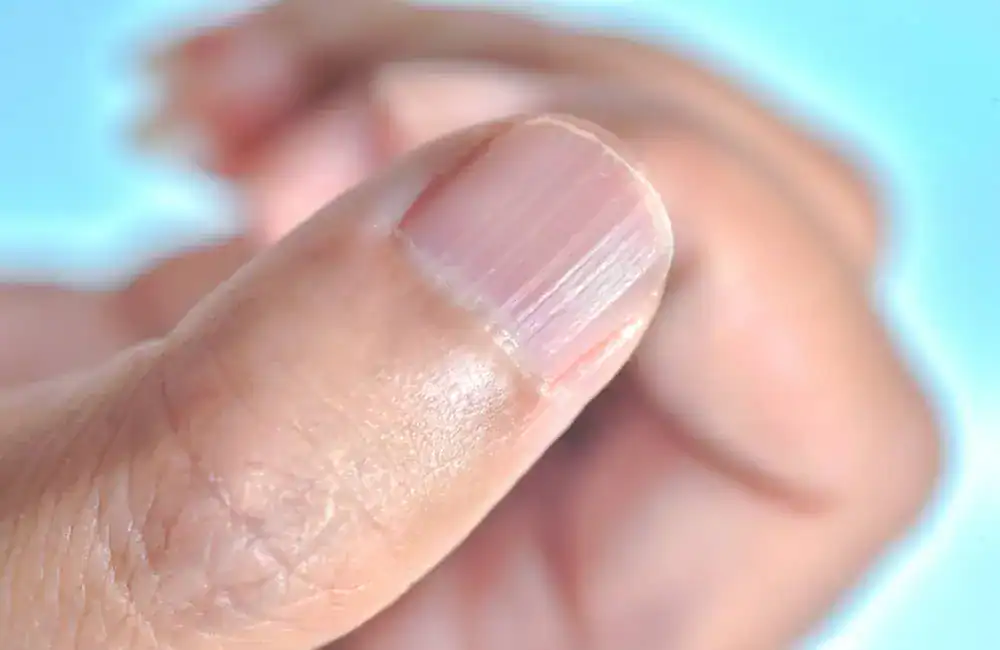
- Nail ridges: Longitudinal ridges may develop, running from the cuticle to the tip, as a result of decreased cell production.
- Changes in nail color: Nails may appear more pale, yellowish, or dull as blood flow decreases and metabolic activity slows.
- Thickening or brittleness: Nails may become harder, more brittle, or even split, often due to changes in hydration or mineral balance.
- Slower growth: Older adults typically experience reduced nail growth rates as overall metabolic and regenerative processes become less efficient.
These visible changes often quietly expose the relentless story of cellular decline. While they are usually a normal part of aging, understanding them can encourage proactive health management.
Common Causes of Nail Changes
Nail health is influenced by a range of internal and external factors. Some causes are benign, while others warrant closer medical attention:
- Nutrition: Deficiencies in vitamins and minerals such as biotin, iron, zinc, and vitamin D can lead to changes in nail texture, color, and strength.
- Medical conditions: Chronic illnesses such as diabetes, cardiovascular disease, thyroid disorders, and autoimmune conditions may cause noticeable alterations in nail appearance.
- Infection: Fungal infections are common and can cause thickening, discoloration, or distortion of the nail. Bacterial infections may occur around the nail folds.
- Trauma: Regular bumping or injury to the nail can result in ridges, color changes, or slight deformities.
- Environmental factors: Frequent exposure to water, chemicals, or harsh detergents can weaken the nail, making it more vulnerable to splitting and breaking.
It is important to note that not all nail changes are cause for concern. However, persistent, sudden, or severe changes should prompt discussion with a healthcare provider.
Recognizing Signs That Require Medical Attention
While most nail changes are harmless and related to aging or environmental exposure, certain signs may indicate underlying health issues:
- Unusual color changes, such as dark streaks or spots
- Rapid thickening or distortion
- Persistent pain, swelling, or discharge around the nail
- Nails that suddenly detach from the nail bed
If any of these signs are observed, it is advisable to seek guidance from a medical professional. Early detection and accurate diagnosis are essential for targeted treatment and prevention of complications.
Prevention and Maintenance of Healthy Nails
Maintaining strong, healthy nails is possible through a combination of good hygiene, proper nutrition, and lifestyle choices. Evidence-based recommendations include:
- Balanced diet: Incorporate foods that are rich in protein, vitamins, and minerals. Green leafy vegetables, whole grains, nuts, eggs, and lean meats are excellent sources.
- Hydration: Drink plenty of water to maintain optimal nail hydration and prevent brittleness.
- Avoid harsh chemicals: Limit exposure to detergents, solvents, and nail products containing formaldehyde or acetone. If exposure is necessary, use protective gloves.
- Regular hygiene: Keep nails clean and dry. Trim nails straight across to prevent ingrown nails and avoid biting or picking at the nail or cuticle.
- Moisturize: Apply a moisturizing lotion or oil to the nails and surrounding skin to reduce splitting and peeling.
- Periodic evaluation: Schedule regular health checkups to monitor nail health and detect any systemic problems early.
Expert Opinions on Nail Health and Aging
Leading medical organizations emphasize the importance of nail health as part of overall wellness. According to experts, subtle changes in fingernails can serve as valuable indicators for early detection of systemic diseases and nutritional deficiencies. The Mayo Clinic, for example, advises individuals to pay attention to nail abnormalities and consult a healthcare provider if unusual features persist. The Centers for Disease Control and Prevention (CDC) highlight the role of hygiene and healthy lifestyle habits in preventing nail infections and maintaining strong nails throughout the lifespan.
Research continues to explore the relationship between nail health and cellular aging. Studies demonstrate that regular care, optimal nutrition, and a focus on preventive medicine can minimize the effects of aging and improve quality of life. While genetics play a role, the daily choices individuals make can significantly influence nail appearance and function.
Healthy Lifestyle Advice for Strong Nails
Adopting healthy habits supports not only nail health, but overall well-being. Consider these additional tips:
- Practice stress management: Chronic stress has been linked to slower nail growth and weaker nails. Engage in activities such as exercise, meditation, or hobbies to help manage stress.
- Protect against injury: Use tools carefully and be mindful of activities that put pressure on the nails, such as opening cans or typing.
- Limit cosmetic interventions: Keep manicures and pedicures gentle. Avoid excessive use of artificial nails, gels, or acrylics, which can damage the natural nail.
- Avoid smoking: Cigarette smoking is known to impact blood flow and may contribute to changes in nail color and texture.
The Slow Story Written in Nails: A Window to Health
A single thumbnail, unremarkable at first glance, may reveal the slow and silent story of aging, genetics, and the impact of daily life. The subtle lines, ridges, and changes in color are not simply cosmetic—they are signs written over time, reflecting how blood circulates, how nutrients are absorbed, and how cells maintain resilience. By paying attention to these clues, individuals can take meaningful steps toward enhancing their health, preventing disease, and supporting healthy aging.
Ultimately, the science of nail health shows that even the most minor details can yield important information for medical care. Awareness, prevention, and timely intervention are key components in maintaining strong, beautiful nails and promoting overall wellness.
Disclaimer: This content is intended for entertainment purposes only and is not based on real events.