
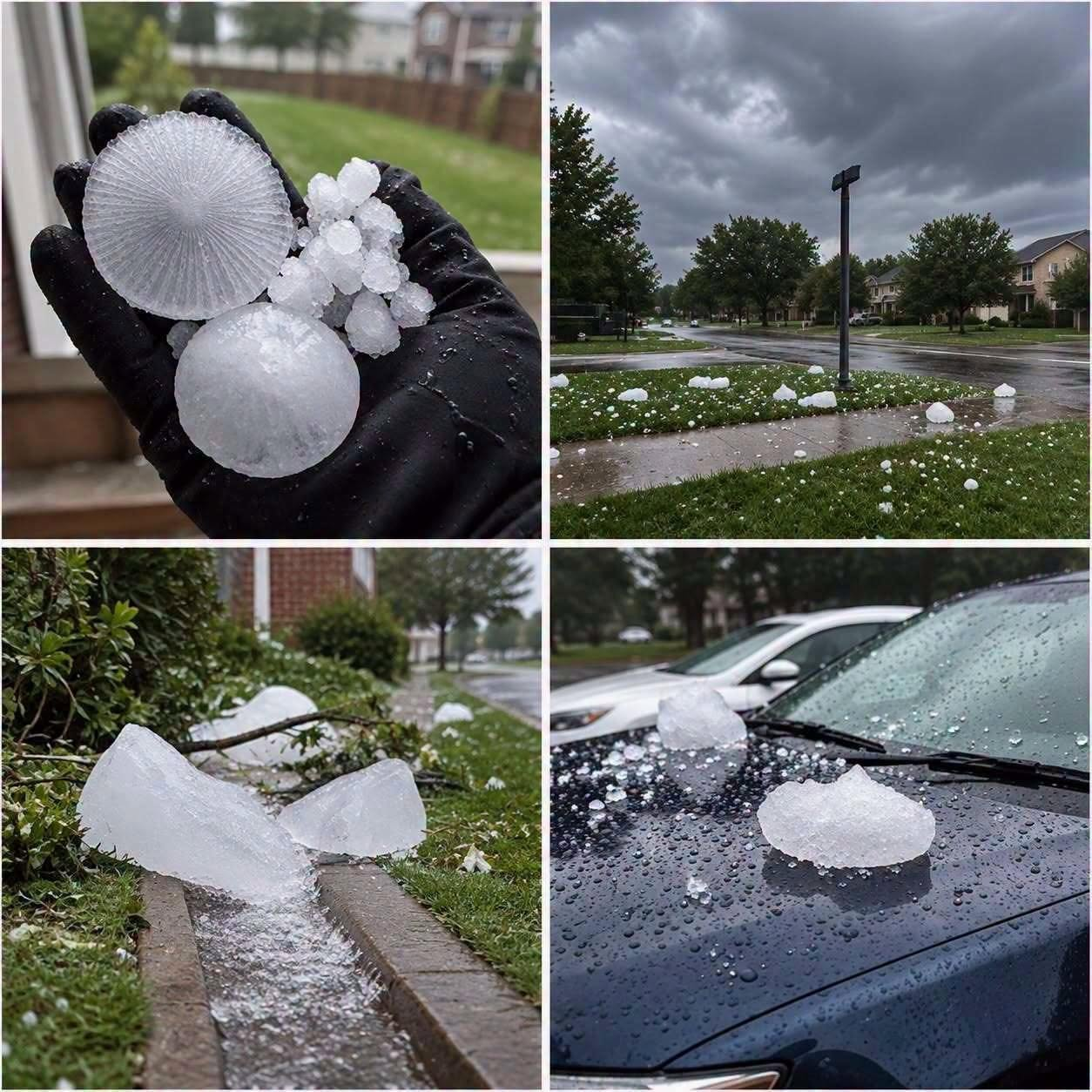
Giant Hail Recorded Tuesday Evening in the Town of See-More
Introduction: An Unprecedented Weather Event
On Tuesday evening, the residents of See-More, a typically quiet town, experienced a devastating weather anomaly when massive hailstones, some as large as fists, pummeled the community. The tranquil environment was abruptly transformed as sirens blared and hail shattered windows, battered vehicles, and tore through roofs. For many, it was a night of fear and uncertainty that left lasting scars and raised important questions about extreme weather phenomena and preparedness.
Understanding Hailstorms and Their Formation
Hail is a type of precipitation that forms within powerful thunderstorm clouds, particularly those characterized by strong updrafts. According to the National Oceanic and Atmospheric Administration (NOAA), hailstones develop when rain droplets are carried upward by thunderstorm updrafts into extremely cold areas of the atmosphere, where they freeze. These frozen droplets accumulate additional layers of ice as supercooled water vapors attach to them, growing larger before gravity eventually overcomes the storm’s updraft and forces them to fall to the ground.
While hailstorms are not uncommon in regions subject to severe thunderstorms, the sheer size and intensity of the hail that struck See-More are considered rare. Typically, hailstones range from the size of peas to quarters, but on this occasion, witnesses and local meteorologists reported pieces of ice measuring several inches across—comparable to the size of fists or even larger.
The Events of Tuesday Evening in See-More
The storm began with dramatic shifts in weather patterns, which meteorologists had been monitoring throughout the day. As the afternoon gave way to evening, radar detected a severe thunderstorm system heading toward the area. Few could have anticipated the extent of the damage that would soon follow.
Residents reported that at approximately 7:15 PM, the sky darkened rapidly, and the atmosphere became eerily quiet before the first sirens went off. Moments later, hail began to rain down on the town with overwhelming force, breaking windows, denting cars, and tearing through every exposed surface. Some locals described the sound as “deafening,” likening it to the roar of gunfire or the pounding of drums on rooftops. The event lasted several long minutes, during which time families took shelter wherever possible—many in basements, bathrooms, or under sturdy tables.
Immediate Impact on the Community
The aftermath revealed the full extent of the storm’s fury. Streets were littered with shattered glass, branches, and chunks of ice. Vehicles left unprotected outdoors showed extensive damage, including broken windshields, dented bodies, and even roofs crushed under the weight of the largest hailstones. Homeowners assessed broken windows, destroyed roofs, and water-logged interiors.
Local hospitals and emergency centers were flooded with calls, though, fortunately, there were no immediate reports of fatalities. Several people were treated for minor injuries related to falling debris or glass. City officials quickly called for additional resources to support those in need and began coordinating recovery and cleanup efforts.
Schools, several businesses, and public buildings sustained significant damage, leading to closures and disruptions to daily life. Power outages were reported across portions of See-More as utility infrastructure took a direct hit from the storm.
Scientific Analysis: What Made This Storm Exceptional?
Meteorologists from the National Weather Service and local weather stations have described this hailstorm as one of the most intense in the state’s recent history. Several atmospheric factors contributed to its severity, including strong convective energy, extreme instability, and a robust jet stream pattern that amplified storm strength. Satellite imagery and radar analyses confirmed that updrafts within the storm reached speeds high enough to create supercooled zones where hailstones could grow to exceptional sizes.
According to Dr. Stephanie Mahoney, a storm researcher at the state university, “The hailstones observed in See-More resulted from a perfect convergence of meteorological factors. Such large hailstones develop only when storm updrafts are not only strong but incredibly sustained, keeping the developing ice aloft long enough for repeated cycling and layering.”
Climate scientists have noted an upward trend in the occurrence of severe and unpredictable weather events globally. While it is difficult to attribute any single event directly to broader climate change, rising temperatures can alter atmospheric dynamics, potentially increasing the frequency of extreme hailstorms.
Comparisons to Other Historic Hailstorms
The See-More storm has drawn comparisons to other record-setting hail events both nationally and internationally. For example, the United States holds the record for some of the world’s largest hailstones: in Vivian, South Dakota, a stone measuring 8 inches in diameter fell in 2010, causing widespread damage. Internationally, severe hailstorms in Argentina and Europe have also captured global attention for their destructive power.
Experts emphasize that urban areas are particularly vulnerable due to dense infrastructure and population density. Communities like See-More, where preparedness for such rare events may be limited, face amplified risks during extreme weather.
Emergency Response and Community Recovery Efforts
The local government and emergency services were quick to respond, activating disaster relief protocols and setting up temporary shelters for those whose homes were damaged. Road crews worked overnight to clear debris, while insurance adjusters and building inspectors began assessing the most affected properties.
Community organizations, local businesses, and volunteers collaborated on relief efforts, providing food, temporary accommodations, and basic medical supplies to displaced residents. The city also set up a hotline for emergency assistance and information as crews worked to restore power and repair essential infrastructure.
School districts and city officials announced plans to reopen facilities with necessary repairs and safety checks, emphasizing the importance of resilience and community solidarity in the face of natural disasters.
The Role of Climate Preparedness and Risk Management
The devastation in See-More underscores the need for robust emergency preparedness plans at both the municipal and household levels. Meteorologists advise installing impact-resistant roofing, regularly trimming trees, and developing family emergency action plans that include accessible safe shelter locations. Programs to educate the public about severe weather warning systems can also improve community responsiveness and minimize injury.
Insurance coverage for natural disasters is another key aspect of climate resilience. According to the Insurance Information Institute, only a fraction of U.S. homeowners maintain sufficient coverage for hail damage. The See-More incident is likely to prompt a local review of policies and may influence broader changes in risk assessment and building codes.
National and state agencies continue to research forecasting models and risk assessment tools to deliver more accurate, timely warnings to communities. Experts believe that innovations in weather modeling and communication can help reduce the human and economic impacts of severe storms in the future.
Psychological and Social Effects on Residents
Beyond the physical and economic toll, events like the See-More hailstorm also carry lasting psychological effects. Local counselors and social workers reported an increase in anxiety and stress-related symptoms as families coped with loss and uncertainty. Community outreach centers have offered mental health support and counseling to those affected, emphasizing the shared nature of recovery and the value of strong social bonds in overcoming collective trauma.
Local leaders and faith groups have been instrumental in fostering hope and encouraging unity, providing spaces for residents to share stories and begin the healing process. Such efforts highlight the importance of comprehensive disaster response that addresses not only tangible repairs but also emotional recovery.
Reflections and Looking Ahead
The giant hailstorm of Tuesday evening will likely be remembered as a landmark event in See-More’s history. It serves as a powerful reminder of nature’s unpredictability and the ongoing necessity for preparation, resilience, and compassion within communities. As scientists, emergency officials, and residents work together to better understand and respond to weather extremes, the lessons learned in See-More may guide the development of safer, stronger towns for future generations.
Sources
- National Oceanic and Atmospheric Administration (NOAA)
- National Weather Service
- BBC News: Hailstorm Science and Impacts
- The Guardian: Extreme Weather
- Insurance Information Institute
- Centers for Disease Control and Prevention (CDC): Storm Preparedness
- Reuters: Environment and Weather
Disclaimer: This content is intended for entertainment purposes only and is not based on real events.