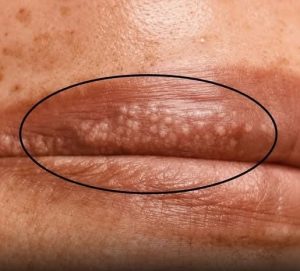

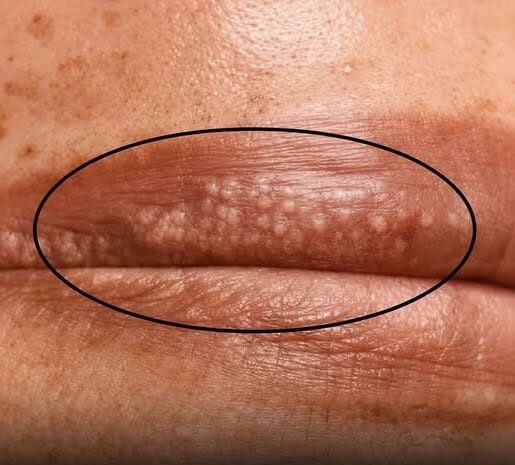
White Bumps on the Lips or Intimate Areas: When They May Need Medical Attention
Discovering small white bumps on the lips or intimate areas can naturally provoke concern. These parts of the body are coated with sensitive skin and house unique glands, making them susceptible to a variety of minor irregularities. While such bumps may be benign, certain changes can be signs of irritation, infection, or other underlying health issues.
This article provides a comprehensive overview of key reasons white bumps appear, how to differentiate harmless changes from those needing medical attention, prevention tips, and guidance based on expert medical advice.
What Causes White Bumps in Sensitive Areas?
White bumps on the lips or genital region can originate from several sources:
- Anatomical Variations: Embedded glands such as Fordyce spots or sebaceous glands may become visible as tiny white bumps and usually require no treatment.
- Blocked Pores or Follicles: Sweat and oil glands can become plugged, leading to small non-painful bumps similar to pimples.
- Irritation or Allergic Reactions: Contact with certain foods, cosmetics, cleansers, or fabrics can trigger mild swelling and bumps, especially in people with sensitive skin.
- Infections: Bacteria, fungi, or viruses can cause bumps, particularly when accompanied by additional symptoms such as redness or pain.
- Sexually Transmitted Infections (STIs): Sometimes, infectious agents produce white or pale lesions, although these often come with other prominent symptoms, including discharge or sores.
- Dermatologic Conditions: Conditions like lichen planus, eczema, or psoriasis may affect lip or genital skin and create white patches or bumps.
It is important to remember that a professional evaluation is often required to accurately distinguish between these possibilities, as visual similarity can be misleading.
Symptoms That Suggest Medical Consultation Is Needed
The presence of white bumps alone is often not enough to diagnose a condition. However, several features can help guide decisions about seeking medical care:
- Redness: Redness around a bump may indicate inflammation, irritation, or localized infection.
- Pain: Painful bumps—especially those that interfere with speaking, eating, walking, or daily activities—should not be ignored.
- Itching: Persistent or severe itching may be a sign of allergic reaction, fungal infection, or irritation.
- Swelling: Noticeable swelling could be the body’s response to infection, trauma, or an allergic trigger.
- Fluid Leakage: Discharge of clear fluid, pus, or blood points to the breakdown of skin and a possible infection.
- Rapid Change: Rapid increases in the size, number, spread, or color of bumps require prompt evaluation.
- Persistence or Recurrence: Bumps that last several weeks, or that repeatedly disappear and reappear, should be discussed with a healthcare provider.
- Fever and Swollen Lymph Nodes: Systemic signs, such as fever or tender lumps (lymph nodes) nearby, are particularly important as they can signal a wider infection or inflammatory process.
Medical professionals consider both isolated and combined symptoms, along with personal medical history, to determine next steps and appropriate care.
The Challenges of Self-Diagnosis
Many skin changes can appear almost identical to the untrained eye. Benign glands, blocked pores, mild reactions, or infections may look similar in color and texture. Online images or advice cannot substitute the expert assessment of a healthcare provider. Individual skin tone, camera lighting, and progression of the condition can alter appearance, further complicating self-diagnosis.
In sensitive areas, the risk of unnecessary anxiety or incorrect treatment is higher. Preserving the area’s natural state (avoiding squeezing, covering up with makeup, or trying various remedies) before seeing a professional will help ensure an accurate diagnosis.
Avoid Squeezing, Picking, or Scratching
Attempting to squeeze or pick at bumps—however tempting—can damage the delicate skin of the lips or genital area. Skin breaks introduce bacteria, potentially turning a harmless spot into a painful infection. Persistent scratching can lead to abrasion, scarring, or worsening irritation. Experts universally recommend gentle care, resisting the urge to intervene physically with untrained methods.
Why Harsh Treatments May Backfire
Over-the-counter acne treatments such as salicylic acid or benzoyl peroxide are formulated for tougher facial skin. When used on the lips or genitals, they can cause excessive dryness, burning, or increased inflammation. Applying these products without guidance may also obscure the original appearance, complicating future medical evaluations. Until a healthcare provider suggests a specific therapy, mild, fragrance-free cleaning products are generally the safest option.
When to Seek Medical Evaluation
Most white bumps fade as skin restores itself after mild irritation. Persistent changes—those lasting beyond a few weeks, or those that recur frequently—deserve clinical attention. Not all ongoing symptoms are serious, but only medical professionals can rule out what is and isn’t a cause for concern. You can help your provider by tracking when the bumps first appeared, their progression, and any recent product or clothing changes.
Symptoms That Should Always Be Mentioned
- Fever: Indicates the potential for systemic infection.
- Ulcers or Open Sores: Bumps that transform into ulcers, or appear near them, should be professionally evaluated.
- Swollen Lymph Nodes: Enlarged, painful lumps in the neck or groin alongside skin bumps may indicate a significant infection or immune response.
Reporting these additional symptoms helps your provider make an accurate and timely diagnosis, potentially minimizing the risk of complications.
The Benefits of Professional Consultation
Medical appointments are helpful not only for serious or painful symptoms. Healthcare professionals can often identify harmless anatomical features, providing peace of mind and reassurance. When identified promptly, conditions like bacterial or fungal infections can be treated effectively, reducing excessive self-medication or unnecessary product use.
Early intervention prevents complications and avoids anxiety from uncertain self-diagnosis. For recurring or unclear bumps, a simple consultation often yields a more comfortable, rapid recovery.
Gentle Skin Care Practices for Prevention
- Choose unscented, fragrance-free cleansers and skincare products for sensitive areas.
- Avoid harsh exfoliants, scrubs, or perfumed items, as these can increase irritation risk.
- Clean gently, pat dry softly, and don’t introduce multiple new products at once.
- Refrain from sharing personal lip balms, lipsticks, or glosses—these can transfer microbes and irritants, even between people who appear healthy.
Inspect lip products for changes and replace them if they look, smell, or feel different, especially after an outbreak.
The Role of Clothing and Hygiene
In intimate areas, tight clothing can trap moisture and intensify friction, which may aggravate sensitive skin. Opt for breathable fabrics wherever possible. Change out of damp clothing or swimwear soon after activity to reduce prolonged skin contact with moisture.
Hygiene is crucial, but over-washing or harsh cleansing can also damage the skin’s protective barrier. Gentle, regular washing is best, with attention to patting—not rubbing—the area dry.
Medication Safety: Don’t Use Others’ Prescriptions
Even if a friend or family member reports success with a medication for what appears to be a similar problem, avoid using leftover or borrowed treatments. Antibiotics, antifungals, and anti-inflammatories are formulated for specific diagnoses. Using the wrong treatment can worsen symptoms or mask a more serious issue. Only use treatments prescribed or recommended by your healthcare provider after personal evaluation.
Preparing for Your Medical Appointment
To help your provider, document the following:
- Timing and duration of the bumps’ appearance
- Associated symptoms: pain, itchiness, swelling, or discharge
- Changes in personal hygiene products, detergents, cosmetics, clothing, or routines
- Any previous similar issues and their outcomes
Refrain from squeezing, shaving, or aggressive treatments before your visit to preserve the natural appearance of the area for accurate diagnosis.
Recognizing Normal Anatomical Variations
Not all white bumps are a cause for treatment. Features such as Fordyce spots or harmless sebaceous glands are better left alone. Aggressively targeting every skin imperfection can create more harm than benefit, especially in sensitive areas where the skin is fragile. Medical professionals can help you distinguish between normal variations and those that warrant intervention, helping you avoid unnecessary discomfort or scarring.
Taking Early, Informed Action
White bumps on the lips or intimate areas—particularly those with additional symptoms such as pain, discharge, swelling, rapid change, fever, ulcers, or lumps—merit careful observation. In most cases, gentle personal care, avoidance of shared products, and choosing breathable clothing offer protection. However, persistent, recurrent, or complicated bumps should always be assessed by a healthcare professional. This approach ensures safe, effective treatment tailored to the real cause with minimal risk and maximum reassurance for your overall well-being.
Disclaimer: This content is intended for entertainment purposes only and is not based on real events.