
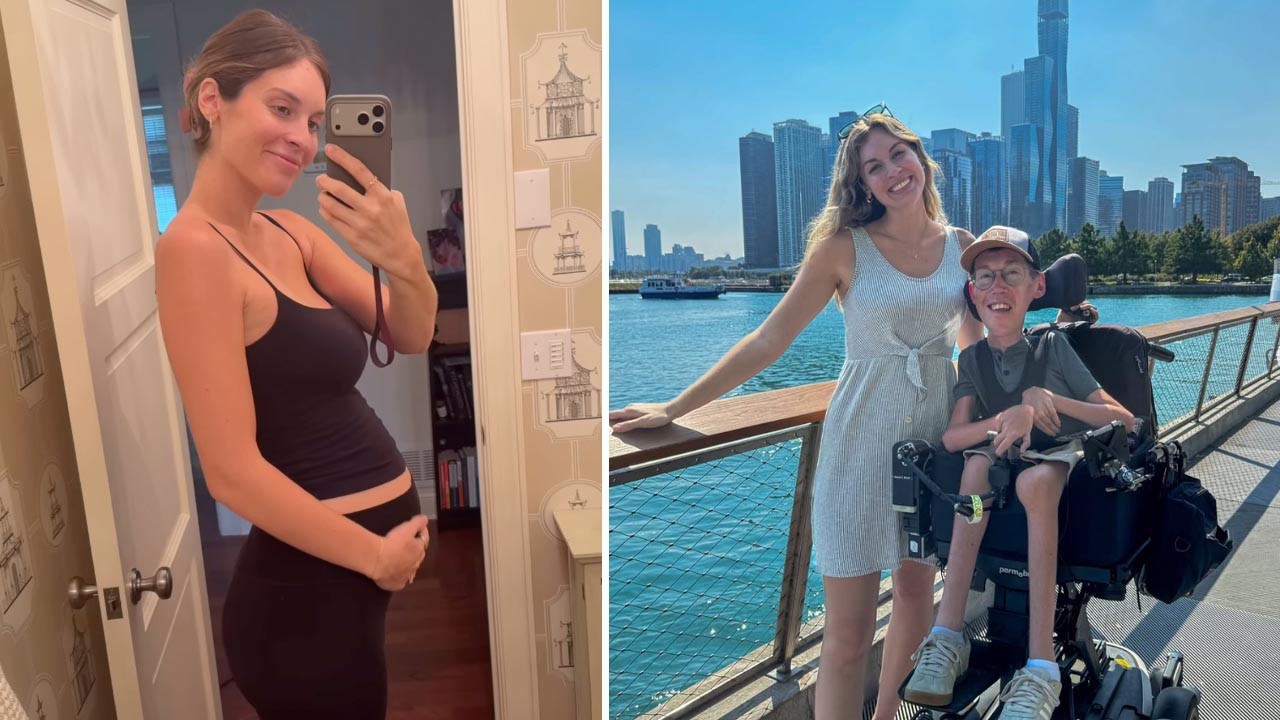
Shane and Hannah Burcaw Share Their Journey Toward Parenthood
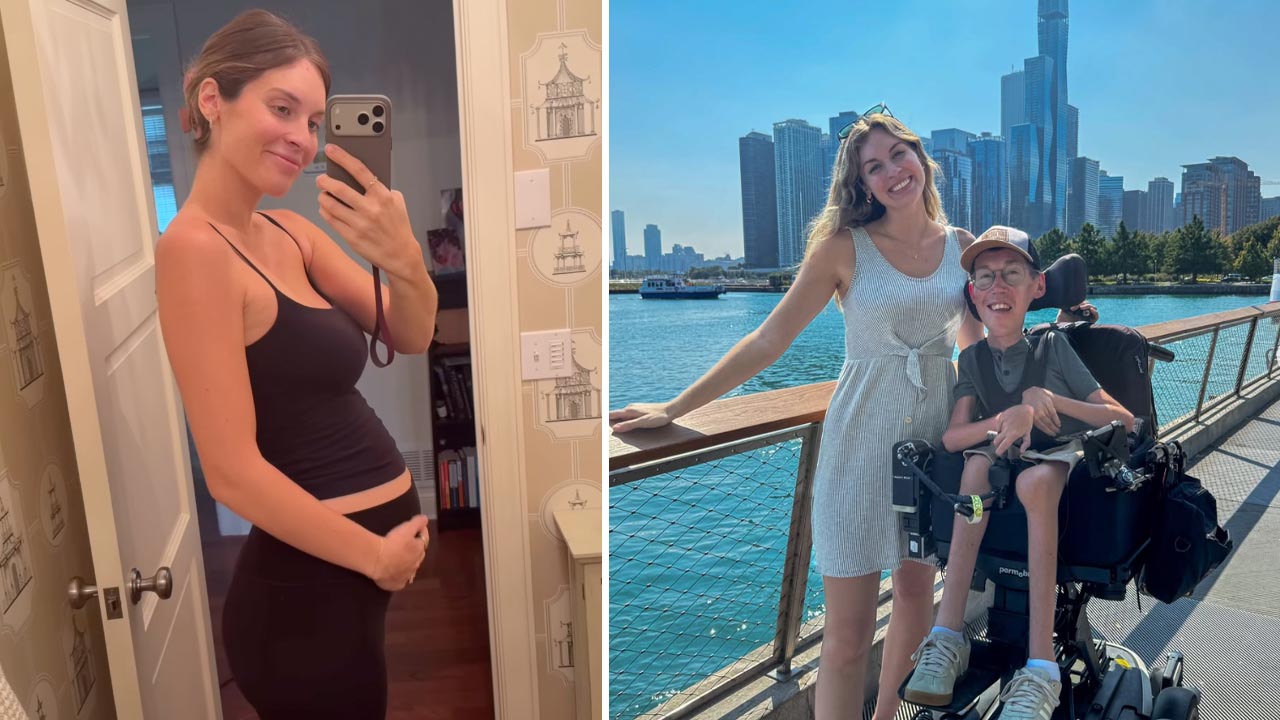
Shane and Hannah Burcaw have become prominent figures in conversations about disability, love, and the realities of interabled relationships. As public advocates and popular YouTubers, the Burcaws have opened up about the misconceptions surrounding their relationship, often challenging stereotypes and misinformation. Recently, they have taken another step in their life journey by announcing that they are expecting their first child together, sparking renewed public interest and dialogue about parenting with a disability.
The Beginnings of a Unique Love Story
The story of Shane and Hannah began in an unconventional yet modern way. After watching a documentary about Shane—who lives with spinal muscular atrophy (SMA), a genetic condition that affects the motor nerve cells in the spinal cord and consequently limits physical mobility—Hannah was compelled to reach out after being inspired by his sense of humor and positive outlook on life. Their digital connection soon developed into a deep emotional bond, and the couple began dating long-distance before solidifying their relationship in person.
Over time, Shane and Hannah’s relationship grew stronger, despite the unique challenges they faced. Their journey became even more public as they launched their popular YouTube channel, “Squirmy and Grubs”, where they candidly discuss various aspects of their interabled relationship. Through humor and honesty, they have cultivated a supportive following and have helped educate viewers about what it means to love and live as an interabled couple.
Marriage and Life Together
Shane and Hannah’s commitment to one another culminated in marriage in September 2020. Their wedding, celebrated amidst the pandemic, was a joyful event shared with their family, friends, and online community. Throughout their years together, the couple has frequently addressed public curiosity—and sometimes skepticism—about their partnership. They are often met with questions regarding intimacy, daily caregiving, and the social dynamics of their marriage, which they answer with a mix of transparency, humor, and factual information.
The couple’s visibility and willingness to address uncomfortable questions have made them leading voices in the disability community. They routinely dispel myths such as the presumed asexuality or physical limitations of disabled individuals, instead emphasizing that disabled people can—and do—have fulfilling romantic and intimate lives.
Expecting Their First Child: The Announcement and Excitement
In early 2024, Shane and Hannah Burcaw announced on Instagram that they are expecting their first child in January. The couple’s social media post expressed immense joy: “We are beyond ecstatic to announce that we’re expecting our first child this coming January! Hannah is 20 weeks pregnant and although we’ve been thoroughly enjoying this special time in privacy so far, we’ve also missed sharing all the joy with you, and there’s so much to share.”
Their announcement was met with thousands of supportive comments from both their long-time followers and the broader community, many of whom recognized this milestone as an important step for greater visibility of interabled families in the public eye. The couple has since shared updates about Hannah’s pregnancy journey through their social media and video content, further inviting others to learn about the realities of expectant parenthood from their unique perspective.
Shane’s Perspective on Fatherhood and Parenting with a Disability
As the reality of impending parenthood set in, Shane wrote a heartfelt Facebook post about his hopes and concerns about becoming a father with spinal muscular atrophy. One of his main worries was whether he would be able to physically interact with his child, sharing, “One of my biggest worries about having children is the extent to which I’ll be able to physically interact with them. I know and believe that parenting and love do not require physical ability, but I still grapple with those deep down anxieties at times, especially as our baby began kicking in Hannah’s womb a few weeks ago.”
These are not uncommon concerns for parents living with disabilities. Many share anxieties about the practical aspects of child-rearing and the societal attitudes they may face. Research and expert opinion consistently highlight, however, that parenting is a holistic experience that encompasses emotional bonding, teaching, nurturing, and support—roles that do not solely depend on physical strength or mobility.
Challenging Misconceptions About Interabled Relationships
Throughout their relationship, Shane and Hannah have confronted and debunked many misconceptions about interabled couples. They have often discussed, both on their YouTube channel and in interviews, the prevalence of intrusive questions regarding their intimacy and family plans. A persistent myth is that physical disabilities render individuals asexual or uninterested in partnerships, something the Burcaws openly challenge.
“We have a satisfying intimate life, and both of us are interested in having children together down the road,” the couple has affirmed. Shane has also spoken about how society often sees disabled individuals as incapable of attracting or maintaining romantic relationships, or assumes that able-bodied partners must be sacrificing other aspects of life—misconceptions they work tirelessly to counter with openness and honesty.
Hannah, too, has addressed commentators who question the authenticity or physical possibility of their relationship, highlighting how these attitudes stem from ignorance rather than reality. By publicly embracing their journey to parenthood, they aim to demonstrate to others that interabled couples can and do lead rich, fulfilling, and loving lives—including raising families.
Looking to Other Interabled Couples for Support
The Burcaws have found inspiration and practical guidance by connecting with other interabled couples who have become parents. In an interview with People magazine, Shane shared that these conversations have helped alleviate some of their concerns, emphasizing that much of parenting involves emotional support, intellectual guidance, and love—elements that are independent of physical ability.
“One thing that has made me feel good is that they are reminding me that so much of parenting is not the physical stuff,” Shane explained. He continued, “A human being, yes, needs physical care as a baby, but a lot of parenting is about the mind and emotions and learning and love.” This perspective is echoed by disability advocates and parenting experts, who argue that society should broaden its conception of what constitutes effective parenting, focusing on emotional and cognitive engagement as well as physical care.
Societal Impact and the Importance of Representation
Shane and Hannah’s story is significant not just for their personal happiness, but for the societal impact it carries. Public visibility of interabled couples serves to challenge stereotypes, inform policy debates on family rights, and inspire others within the disabled community to pursue family life if they desire. Their advocacy exposes systemic barriers—both social and structural—that disabled parents may encounter, such as lack of accessible resources, biases in parental fitness evaluations, or inadequate legal protections in some jurisdictions.
Moreover, representation in media and public discourse can contribute to broader acceptance and understanding. This aligns with expert recommendations advocating for positive depictions of disability in parenting. Organizations such as the World Health Organization and the Centers for Disease Control and Prevention emphasize the importance of inclusivity and reject assumptions regarding capability based on physical ability alone.
Internationally, efforts are being made to increase support for disabled parents. Scandinavian countries, for instance, lead with comprehensive accessibility programs and support networks that enable parents with disabilities to participate fully in family life. Learning from such models can inform best practices worldwide.
Expert Views on Disability, Pregnancy, and Parenting
Medical experts confirm that people with disabilities can experience pregnancy and parenthood successfully, provided there is appropriate medical care, social support, and adaptive technology if required. Spinal muscular atrophy, Shane’s condition, primarily affects voluntary muscle activity and does not affect cognition or emotional capacity—two core pillars of successful parenting.
Adaptive parenting tools, home modifications, and community resources can greatly increase accessibility for parents with physical disabilities. Occupational therapists, disability advocates, and parent mentors provide vital guidance on how to navigate daily tasks and anticipate challenges. Additionally, research published in medical journals and by organizations such as the Mayo Clinic shows that children of disabled parents thrive when given a loving, enriching household—demonstrating that the key variables for child well-being correlate more closely with emotional support and security rather than caregivers’ physical capacities.
The Burcaws’ Legacy and Influence
As Shane and Hannah prepare to welcome their first child, their journey stands as both personal triumph and activism. Their openness helps reduce stigma, supports others facing similar obstacles, and informs broader societal conversations about disability, parenting, and inclusion.
The couple’s influence extends beyond their personal story. They inspire not only interabled couples but anyone facing barriers to family life due to societal attitudes, physical health, or other challenges. As role models, they actively promote a message of hope, resilience, and the importance of love, regardless of circumstance.
Conclusion: Changing the Narrative on Disability and Family Life
Shane and Hannah Burcaw’s journey to parenthood is a powerful narrative of love, perseverance, and advocacy. By candidly sharing their experiences and addressing misconceptions, they pave the way for greater inclusion, understanding, and representation for disabled parents everywhere. Their story is a reminder that families can be built on many foundations—and that love, support, and partnership transcend physical ability.
As the Burcaws await the arrival of their child, their continued openness promises to further shift societal perceptions and highlight the varied, beautiful ways families can be formed.
Disclaimer: This content is intended for entertainment purposes only and is not based on real events.