



In the vast landscape of Hollywood, few stars have achieved both longevity and critical acclaim with the distinction of Jodie Foster. Known for her talent and depth across more than five decades, Foster’s journey from child actress to two-time Academy Award winner is a compelling tale of perseverance, artistry, and personal growth. Yet, beneath her on-screen success lies a story marked by early hardship, familial challenges, and a determination to carve out an identity both within and apart from the public eye.
Early Life: A Childhood Shaped by Both Opportunity and Adversity
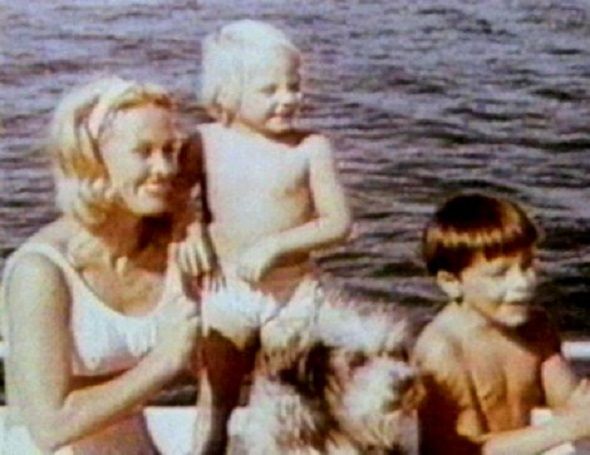
Jodie Foster’s story begins in Los Angeles, California, where she was born Alicia Christian Foster in 1962. Even before her birth, uncertainty loomed. Her parents separated, leaving her mother, Evelyn Ella “Brandy” Almond, as the central guiding force in her upbringing. Raised by her mother and supported by her siblings, Jodie’s early life was humble. Her father, Lucius Fisher Foster III, remained largely absent, eventually serving time in prison following a conviction for fraud. He reportedly died impoverished and alone in 2019, just miles from the affluent neighborhood where his famous daughter resided.
Despite these familial difficulties, Foster demonstrated remarkable abilities from a very young age. Often described as a gifted child, she taught herself to read by age three and appeared in her first commercial the same year. Alongside her brother Buddy, she stepped into the entertainment world early, helping to support her family financially. The hectic schedule demanded by acting, even as a child, cultivated a strong work ethic and self-reliance that would become hallmarks of her career.
Unlike many child actors who burn out quickly under the intense demands of show business, Foster valued her early work in commercials. She later reflected that the discipline, professionalism, and lessons learned in these formative years were invaluable to her maturation as both an actress and an individual.
The Unique Pressures of Being a Child Prodigy
Foster’s upbringing was not only marked by adversity but also by a deep sense of isolation. Her mother played an instrumental role as both parent and manager, shielding her through an industry notorious for its unforgiving and competitive nature. By the age of seven, Foster had transitioned from commercials to television roles, quickly establishing herself as a prodigious talent. With this early fame, however, came profound feelings of loneliness—a common experience among child prodigies.
In a 2008 interview with Parade magazine, Foster revealed, “Being a child prodigy is lonely. I was one of them. You’re different from other kids. No one else can understand.” Remaining steadfast in the face of adult expectations, while grappling with the experiences and emotions unique to childhood, shaped Foster’s inner and outer life in complex ways.
Facing Danger on Set: Early Trauma and Perseverance
At age 10, Foster encountered an ordeal that nearly ended her fledgling career. While filming the family adventure film Napoleon and Samantha (1972), she endured a terrifying incident with a lion. The animal unexpectedly grabbed her by the hip, lifted her, and shook her, causing significant fear and distress. This brush with danger might have deterred another child, but Foster’s resilience would not allow her to step away from acting.
These early experiences not only tested her emotional endurance but also set the stage for her greatest breakthrough. At the tender age of 12, Foster’s trajectory changed forever.
Breakthrough and Trauma: The Taxi Driver Years
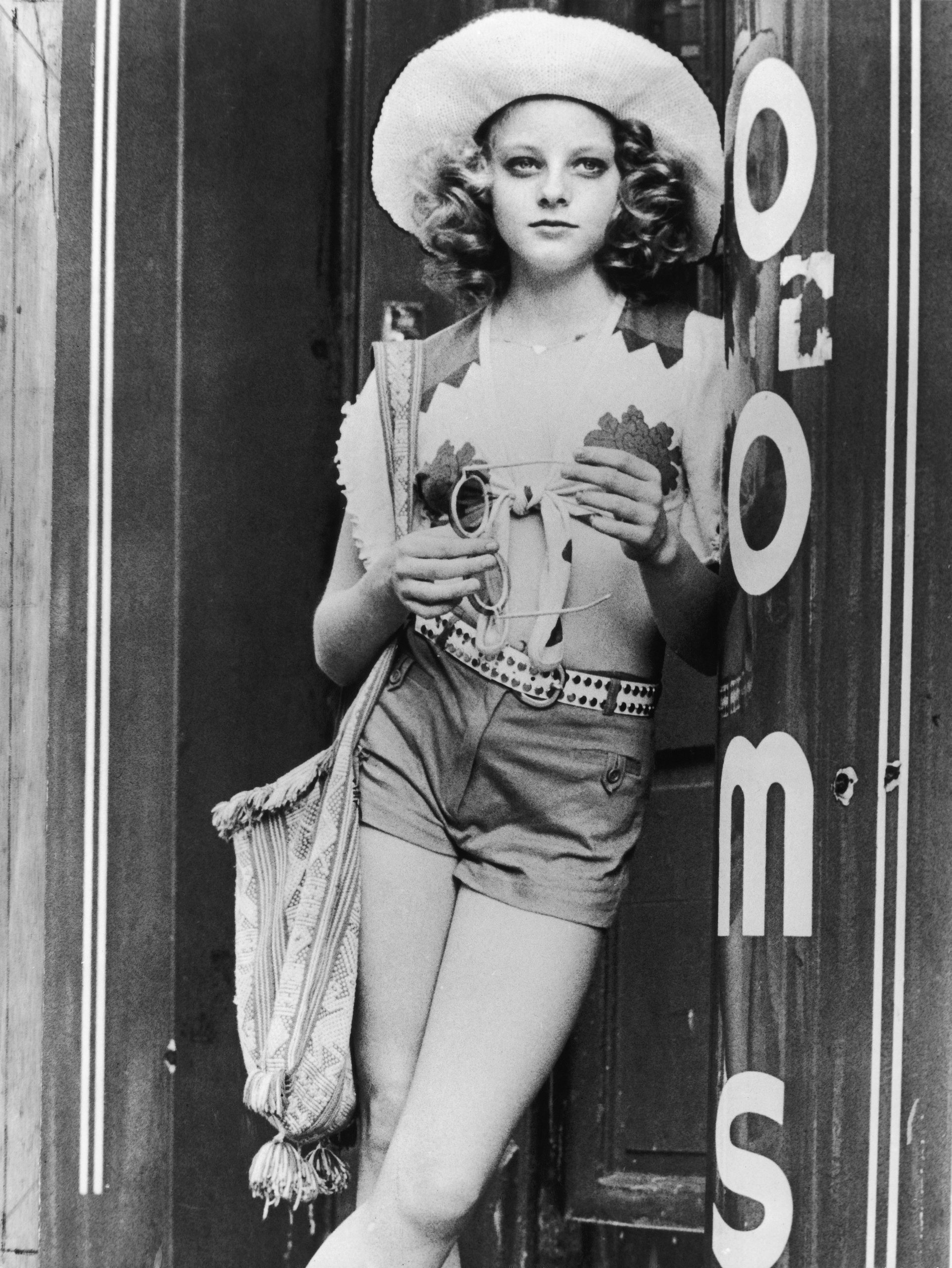
In 1976, Foster was cast as Iris Steensma in Martin Scorsese’s Taxi Driver, playing opposite Robert De Niro. The role—a 12-year-old child prostitute—was controversial and drew both acclaim and criticism. Foster’s performance stunned critics and audiences alike, earning her an Oscar nomination for Best Supporting Actress and establishing her as a serious talent destined for greatness.
However, amid this professional triumph, Foster faced one of the most traumatic moments of her life. Just hours before heading to the Cannes Film Festival for the film’s premiere, her beloved puppy suffered a fatal accident. The tragic loss deeply affected Foster, haunting her for years. She later recalled witnessing the accident and being confronted by “an explosion of blood,” a jarring event that left a psychological scar during what should have been one of the proudest moments of her young life.
Emotional Impact: Trauma, Guilt, and the Search for Meaning
As Foster revealed in later interviews—including a 2025 reflection with AARP—the traumatic loss of her pet during her adolescence shaped her emotional development. Struggling with overwhelming guilt and superstition, she developed what she later described as “magical thinking.” She began to fear that some kind of cosmic tradeoff had occurred: her newfound fame and success had come at the expense of something she loved deeply.
Foster described this period as intensely isolating. Instead of seeking comfort from family or friends, she locked herself in a bathroom and attempted to process the incident alone. The experience reinforced an essential lesson she would carry throughout her career—the ability to separate her work from her personal emotions was vital for survival in the public eye.
Building Protective Boundaries: Privacy in a Public Life
Growing up under the unrelenting scrutiny of Hollywood, Foster’s mother taught her a critical survival skill: the importance of reserved privacy. Acting, Foster later explained, demanded the giving of oneself—yet she learned that not every part of her had to belong to an audience. This balance of vulnerability and self-protection helped Foster navigate the pressures of early stardom and would inform her approach to fame in adulthood.
The 50th anniversary of Taxi Driver offered Foster a chance to look back on her unique journey. In a special interview with NPR, she noted how reports from other former child actors had prompted her to reflect on why she was spared certain abuses endemic in the entertainment industry. Acknowledging the existence of “microaggressions” and challenges related to misogyny, Foster credited her close-knit family and perhaps a measure of luck for keeping her from more harrowing experiences.
Transformation: From Child Star to Acclaimed Actress and Director
Foster’s evolution was marked by self-doubt and contemplation. After attending and graduating from Yale University in 1985—a rare accomplishment for Hollywood stars—she considered retiring from acting altogether. The rigors of fame, compounded by the challenge of discovering her own identity beyond her public persona, weighed heavily on her. Yet, Foster ultimately chose to return to Hollywood, not just as an actress but later as a director and producer, shaping her career and public image on her own terms.
The late 1980s and early 1990s heralded the zenith of Foster’s acting career. In 1989, she won her first Academy Award for Best Actress with her arresting portrayal of a rape survivor in The Accused. Just two years later, she starred as FBI trainee Clarice Starling in the thriller The Silence of the Lambs. The film achieved critical and commercial success, and Foster’s subtle, intelligent performance secured her second Oscar. These roles proved that Foster had transcended her “child star” beginnings, becoming one of the most respected and influential actresses in Hollywood.
Expanding Horizons: Directing and Producing
Feeling the urge to have more creative control, Foster transitioned behind the camera starting in the 1990s. Her directorial debut, Little Man Tate (1991), was well received, revealing her knack for nuanced storytelling. Over the years, Foster directed films such as Home for the Holidays (1995), and her work has since extended to producing and starring in major Hollywood projects. This multifaceted career has seen her become a visible advocate for diversity and women in film, lending her influence to promote greater inclusion in the industry.

Legacy and Endurance: A Hollywood Icon with a Lasting Impact
Now in her 60s, Jodie Foster remains a powerful force in the entertainment world. She continues to act in films and television, direct, and use her platform to champion social issues—including women’s rights, LGBTQ+ visibility, and mental health awareness. Her ability to move beyond the shadows of childhood trauma, to redefine herself repeatedly, and to maintain a sense of privacy despite celebrity, distinguishes her from many of her contemporaries.
Though the memories of her early years have not disappeared, Foster’s life exemplifies resilience, adaptation, and self-actualization. Her story resonates with anyone who has ever struggled to balance public expectation and private experience—a journey that has inspired generations of performers and audiences worldwide.
The little girl who once looked out at the world from behind the camera is now recognized as one of Hollywood’s most influential artists and thinkers. Foster’s life is a testament not only to the possibilities that talent and determination can unlock, but also to the importance of introspection, personal boundaries, and compassion for oneself in the face of hardship.
Conclusion
Jodie Foster’s ascent to Hollywood legend stands out not merely because of her star power or trophy case but because of the clarity and honesty with which she has examined her own journey. The blend of talent, intelligence, and courage she brings to her craft continues to captivate and influence the worlds of film and culture. Despite the hardships and the scars she carries from a life lived publicly and intensely from such a young age, her unyielding commitment to both personal authenticity and artistic excellence offers enduring inspiration.
Disclaimer: This content is intended for entertainment purposes only and is not based on real events.