

The Risks of Extreme Diets: Lessons from a Tragic Loss
Understanding the Impact of Restrictive Eating Patterns
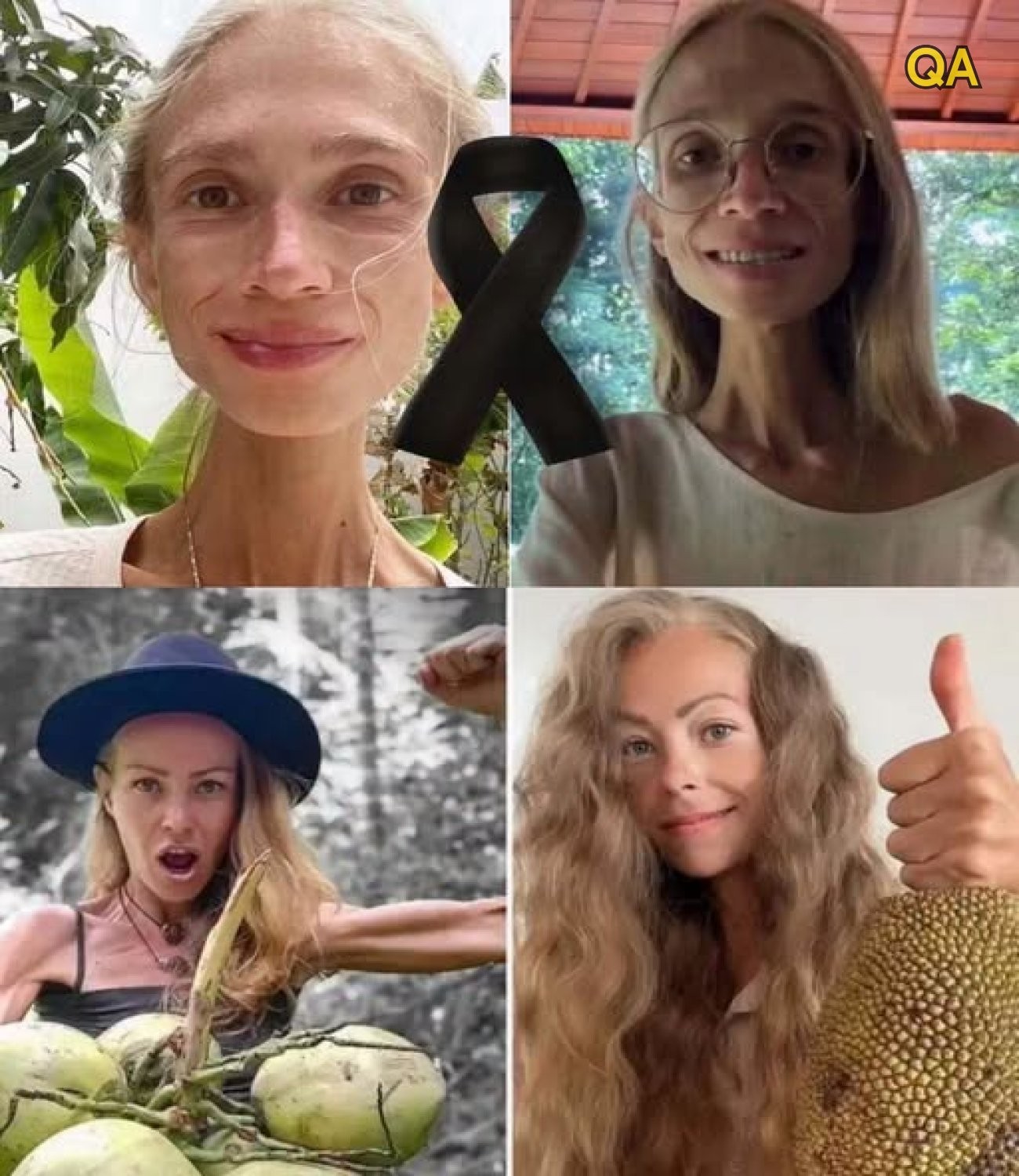
The recent story of a performer’s tragic passing, reportedly linked to severe malnutrition caused by an extremely restrictive fruit-only diet, has brought renewed attention to the dangers inherent in treating limited eating plans as comprehensive solutions for health. Friends and fellow performers were alarmed by her dramatic weight loss, reportedly reaching around 22 kilograms, yet their concerns were unable to dissuade her from the belief that this diet held the promise of health and purity. Unfortunately, her body could not withstand such a drastic absence of crucial nutrients, underscoring the real risks associated with extreme dietary habits.

The Science Behind Nutrition: Why Balance Matters
Medical experts universally caution against diets that drastically restrict food groups. The fruit-only diet, while rich in water, fiber, certain vitamins, and carbohydrates, lacks adequate protein, essential fatty acids, vitamin B12, iron, calcium, sodium, and other vital nutrients required by the human body. The absence of these nutrients can result in muscle loss, impaired immune response, and a cascade of health problems affecting organs, tissues, hormones, and cognitive function.
As nutritional science has revealed, the body depends on a varied intake of macronutrients (protein, fats, carbohydrates) and micronutrients (vitamins and minerals) to maintain its complex systems. For example, protein is necessary for muscle repair and hormonal function, while fats play a key role in cellular health and energy storage. Vitamin B12 and iron are essential for neurological and circulatory health; calcium is critical for bone strength; sodium regulates fluids and nerve impulses. Lacking these, even a physically active individual risks entering a state of medical emergency.
Medical Consequences of Severe Dietary Restriction
The performer’s weight, reported at about 22 kilograms, is alarming from a clinical standpoint. At such a low body mass, the reserves of fat, muscle, and bone are severely depleted. Prolonged malnutrition can compromise every major organ system. The heart may become weak, losing the ability to pump blood efficiently, while the kidneys could struggle to regulate fluids and electrolytes. The brain is at risk of depression, confusion, and even organ failure. Electrolyte imbalances, such as low potassium or sodium, can destabilize heart rhythm and nerve transmission, posing immediate threats to life.
Medical practitioners emphasize that rapid, unexplained weight loss, recurrent fainting, persistent weakness, confusion, swelling, and inability to maintain balanced nutrition are all warning signs that should prompt urgent consultation with a healthcare professional. Unfortunately, deeply held dietary beliefs—especially those tied to identity or ideals of purity—can make intervention difficult. Well-meaning advice from friends or relatives might be dismissed, leaving medical crises to develop unchecked.
Social and Psychological Dimensions of Diet and Health
This case also shines a light on the challenges faced by dancers and performers, who often operate under intense pressure to maintain a certain body size or image. Performing arts demand physical strength, endurance, and frequent rehearsals, all of which require robust nutritional support. When restrictive diets are adopted in pursuit of thinness or perceived health, the risk of injury, fatigue, and systemic illness increases substantially. Experts in sports medicine and psychology advocate for responsible coaching, valuing health and performance over visible thinness, and emphasize the importance of mental well-being alongside physical health.
In the broader context, societal trends that elevate “miracle diets” or equate certain foods with moral virtue can deepen the dangers. The rise of social media, influencer culture, and online dieting communities has made it easier than ever to encounter rigid philosophies of eating. Peer and family intervention is often complicated by the intertwining of diet with identity or fear, making professional guidance all the more critical.
Expert Recommendations: Safe Approaches to Plant-Based Diets
While vegan, raw, or highly plant-based diets can be safe and healthful, reputable nutritionists stress the need for careful planning and regular monitoring. For those who avoid animal products or specific food groups, alternative sources of protein, essential fats, and micronutrients must be incorporated through legumes, nuts, seeds, fortified foods, supplements when appropriate, and medical oversight.
Registered dietitians and healthcare professionals consistently advocate for moderation, variety, and evidence-based guidance. Extreme dietary habits, particularly those excluding entire food groups, should not be adopted without proper medical supervision. Routine blood tests, health assessments, and individualized nutrition plans help ensure that the body’s requirements are met, preventing deficits that can lead to irreversible consequences.
The tragedy described is not an isolated incident. Documentation from organizations such as the World Health Organization (WHO) and the Centers for Disease Control and Prevention (CDC) notes that malnutrition, though often associated with crisis regions, can arise anywhere restrictive eating patterns prevail. Educational outreach, community support, and access to professional consultation are fundamental in preventing similar outcomes.
Global and Community Responses to Dietary Risks
Internationally, health authorities and scientific organizations have ramped up campaigns to educate the public about the risks of extreme diets. The WHO and CDC provide easily accessible guidelines for balanced nutrition, emphasizing the importance of all food groups. In some European countries, legislation has addressed unhealthy body standards in media, particularly for performers and models, reflecting an effort to shift public perception toward health and strength.
Communities affected by eating disorders, including those within dance, gymnastics, and sports, now benefit from growing networks of support, resources, and rehabilitation programs. Mental health professionals urge awareness of the complex causes underlying restrictive diets—ranging from psychological distress, cultural ideals, to misinformed wellness trends—and encourage open dialogue and nonjudgmental support. Early intervention has been shown to make a substantial difference in outcomes, and the integration of medical care, counseling, and nutritional education forms the backbone of prevention and recovery.
Responsible Information and Media Coverage
It is essential that tragedies such as this one are reported responsibly and not treated as spectacle. Media coverage should prioritize awareness, education, and prevention over sensationalism. Stories of extreme nutrition gone wrong must put the focus on science, expert advice, and compassion for those affected. Accurate reporting, fact-checking, and referral to qualified professionals aid in building a healthier public understanding.
The lesson of this tragedy is stark: wellness claims, fad diets, and restrictive eating patterns must always be judged by their real effects on the human body. The value of moderation, diversity, and professional guidance in nutrition cannot be overstated. Ensuring that help arrives before dramatic weight loss or health crisis occurs saves lives and builds stronger communities.
Conclusion: The Importance of Informed, Balanced Nutrition
While the pursuit of health and purity is commendable, it must be grounded in scientific evidence and expert consultation. The performer’s story illustrates the profound dangers of extreme dietary restriction, both physically and emotionally. By prioritizing balance, listening to our bodies, and seeking qualified guidance, we safeguard not just individual health but the broader wellbeing of society.
As public awareness grows and support structures for performers, athletes, and at-risk groups strengthen, hope emerges that such tragedies can be prevented. Nutrition is science, not ideology; health is achieved through knowledge and compassion, not exclusion. Choosing the safest path means embracing variety, respect, and evidence in caring for ourselves and others.
Sources
- World Health Organization
- Centers for Disease Control and Prevention
- Mayo Clinic
- BBC News
- The Guardian
- Reuters
- Al Jazeera
Disclaimer: This content is intended for entertainment purposes only and is not based on real events.