
Karine de Souza’s Story of Living With Xeroderma Pigmentosum

Social media can create intense pressure around appearance, often rewarding narrowly defined ideas of beauty while exposing people to thoughtless and cruel comments. For people living with visible medical conditions, that pressure can be especially difficult. Their lives may be shaped not only by treatment, practical limitations, and health concerns, but also by public misunderstanding.
The reported experience of Brazilian woman Karine de Souza has drawn attention to this reality. De Souza lives with xeroderma pigmentosum, usually abbreviated as XP, a rare inherited condition that makes the skin exceptionally vulnerable to ultraviolet radiation. Her story has been shared in interviews and widely circulated online, where many people have responded to her resilience, her family life, and her calls for self-acceptance.
While individual experiences with XP differ, the condition is well documented in medical literature. It can require lifelong sun protection, regular specialist care, and careful planning around everyday activities that many people take for granted. Understanding the condition also helps place personal stories such as de Souza’s in a more accurate and respectful context.
What Is Xeroderma Pigmentosum?
Xeroderma pigmentosum is a rare genetic disorder in which the body has difficulty repairing damage caused by ultraviolet light. UV radiation is present in sunlight and can also come from some artificial sources. In people without XP, cells have mechanisms that identify and repair much of the DNA damage caused by UV exposure. In many forms of XP, an inherited change affects this repair process.
As a result, people with XP can develop severe sun sensitivity and face a substantially increased risk of skin cancers at an early age. The National Institutes of Health’s Genetic and Rare Diseases Information Center explains that symptoms can include unusual freckling, changes in skin pigmentation, dry skin, and sensitivity to sunlight. Some people may also experience eye-related complications, because the eyes can be affected by UV exposure. Certain forms of the disorder are associated with neurological symptoms, although these do not occur in every person with XP.
XP is generally inherited in an autosomal recessive pattern. This means a child usually inherits a nonworking copy of the relevant gene from each parent. Parents who carry one altered copy often do not have the condition themselves. Because XP is rare, public awareness remains limited, which can contribute to misconceptions about people who live with it.
There is currently no cure that corrects the underlying DNA-repair problem. Medical care focuses on prevention, surveillance, and the early treatment of complications. Dermatology teams may monitor the skin closely and remove suspicious growths when necessary. Eye specialists, neurologists, genetic counselors, and other clinicians may also be involved depending on a person’s symptoms.
Why Daily UV Protection Matters for People With XP
For someone with XP, avoiding ultraviolet exposure is not simply a cosmetic preference or a seasonal health recommendation. It is a central part of managing a serious medical risk. Protection strategies may include staying indoors during daylight hours, using UV-blocking window film, wearing protective clothing, gloves, broad-brimmed hats, face shields, and sunglasses, and applying broad-spectrum sunscreen to exposed skin.
Reports about Karine de Souza have described her use of very high-SPF sunscreen, including while indoors. This reflects the level of caution that some people with XP may need, especially where sunlight enters through windows or where there are other potential sources of UV radiation. However, the exact precautions appropriate for an individual depend on their clinical history, environment, and medical advice.
Dermatologists emphasize that sunscreen is only one part of sun protection. The American Academy of Dermatology recommends broad-spectrum sunscreen with an SPF of 30 or higher for the general public, alongside shade and protective clothing. For people with XP, clinicians may advise a far more comprehensive approach because even limited exposure can have serious consequences over time.
This demanding routine can affect work, education, travel, social activities, and family life. It may also produce isolation, particularly for children and young adults who want to participate in outdoor events. Better access to specialist care, protective equipment, inclusive workplaces, and informed schools can make a meaningful difference.
Karine de Souza’s Reported Experience
De Souza has said in interviews that she was diagnosed with xeroderma pigmentosum as a young child. In a video interview published by the YouTube channel Born Different, she described the long-term effects of sun exposure and the need for repeated medical procedures. Media reports have stated that she has undergone numerous surgeries to remove lesions associated with the condition.
Her public account illustrates an important aspect of XP: damage may not always be immediately obvious to the person exposed to UV light. Sunburn, skin changes, and later complications can develop after exposure, making prevention and consistent monitoring essential. Only a qualified healthcare professional can assess lesions or determine whether they require treatment, but early evaluation is widely recognized as important for people at elevated risk of skin cancer.
Personal accounts should always be treated with care. They can provide valuable insight into the emotional and practical realities of a condition, but they do not replace medical guidance and should not be used to predict another person’s health outcome. XP varies in severity, genetic cause, and symptoms. A person concerned about unusual reactions to sunlight or changes in their skin should seek advice from a doctor or dermatologist.
The Social Impact of Visible Medical Conditions
Living with a visible difference can bring another layer of hardship: stigma. De Souza has spoken publicly about being stared at and receiving insulting comments online. Such behavior is harmful and reflects a broader problem in digital culture, where anonymity can encourage people to say things they would not say face to face.
Health advocates and disability-rights organizations have long argued that public discussion should move away from pity, speculation, and judgments based on appearance. People with medical conditions are not defined by a diagnosis, a scar, or a treatment history. They have relationships, careers, ambitions, responsibilities, and personal identities that deserve the same respect afforded to anyone else.
Social media platforms have introduced reporting tools and rules against harassment, but online abuse remains a significant concern. Users can help create a better environment by avoiding intrusive questions, refusing to share derogatory comments, reporting harassment, and engaging with personal stories in a respectful way. When discussing rare conditions, it is also important not to spread unsupported claims or sensationalize a person’s appearance.
Language matters. Describing someone as “inspirational” can be supportive when it recognizes their own choices and achievements, but it should not imply that a person has an obligation to be positive in the face of illness. People living with chronic conditions are entitled to joy, frustration, privacy, and ordinary lives. Respect starts with seeing the person before the condition.
Love, Family, and Support Networks
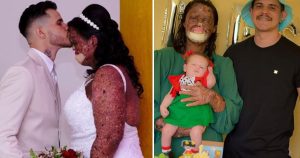
One reason de Souza’s story resonated online is that it challenged assumptions that visible illness or disability prevents a person from finding love and building a family. Reports have described her relationship with her husband, Edmílson, as a source of support and companionship. The couple’s engagement photographs circulated widely, attracting both supportive reactions and inappropriate speculation from strangers.
De Souza has said that her husband valued her character and strength. Their public story offers a simple but important reminder: relationships are built on trust, shared values, care, humor, and commitment, not on outsiders’ expectations about how a couple should look. No one should have to defend the legitimacy of their relationship because of a medical diagnosis or physical appearance.
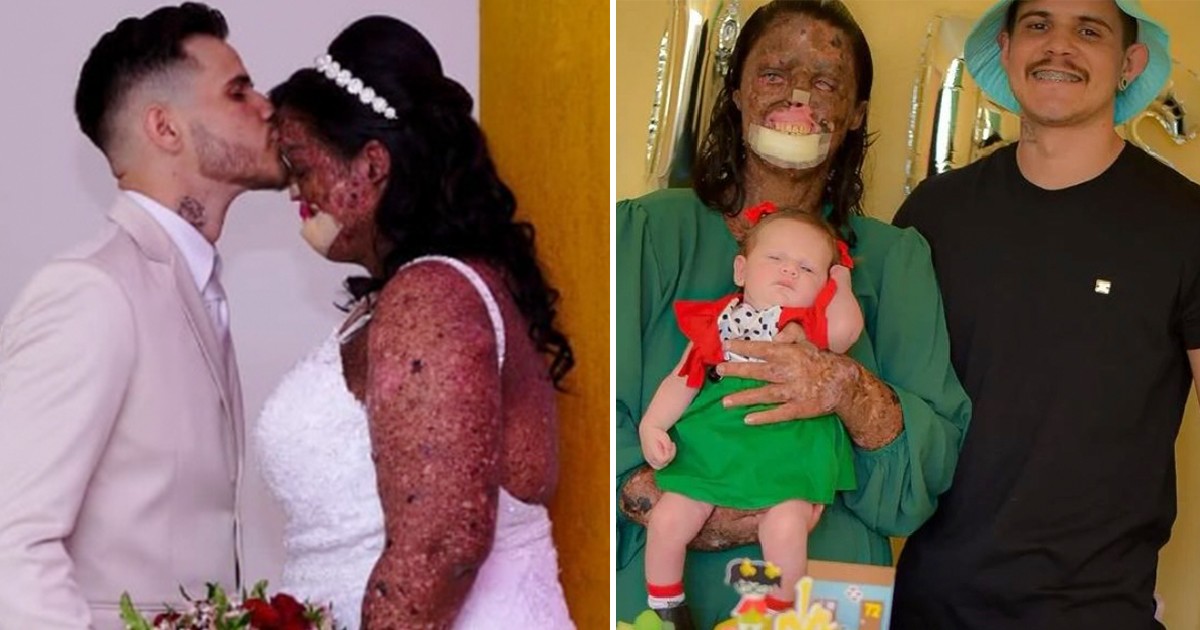
Media coverage has also reported that the couple welcomed a daughter in 2023 after trying to have a child for several years. Family milestones are personal, and public interest should never override privacy. Still, the news was warmly received by supporters who had followed the couple’s journey and saw it as a moment of happiness for their family.
For people managing rare conditions, support networks can be especially valuable. Partners, relatives, friends, patient organizations, and healthcare teams may all help with practical tasks, emotional support, transport to appointments, and advocacy. Genetic counseling can also be useful for families who want information about inheritance patterns and reproductive options.
Improving Awareness of Rare Skin Conditions
Rare diseases often receive less public attention than more common health concerns. Yet each rare condition affects real individuals and families, and together rare diseases affect millions of people worldwide. Greater awareness can encourage earlier diagnosis, improve access to specialists, and reduce stigma.
For xeroderma pigmentosum, awareness begins with understanding that UV protection is medically necessary for affected individuals. A person avoiding daylight, covering their skin, or modifying their home and work environment is not being overly cautious. They may be following a vital care plan designed to reduce preventable harm.
Schools and employers can support people with photosensitivity conditions by offering flexible schedules, indoor alternatives for outdoor events, UV-protective environmental measures where appropriate, and a culture that respects medical accommodations. Communities can help by listening to those with lived experience rather than making assumptions.
Research into DNA repair, cancer prevention, and rare genetic conditions continues, supported by universities, hospitals, public health institutions, and patient advocates. Although a cure for XP is not currently available, improved protective technologies, earlier detection, and multidisciplinary care can improve quality of life and help address complications promptly.
A Message of Respect and Accurate Information
Karine de Souza’s widely shared story is not only about a rare condition. It is also about the importance of dignity in a culture that can be too quick to judge what it does not understand. Her experience highlights the daily discipline required to live with xeroderma pigmentosum, as well as the value of family support and compassionate public conversation.
For readers, the most constructive response is not to make assumptions about someone’s appearance or medical history. It is to learn from credible sources, treat personal stories with empathy, and support a world in which people with rare conditions can participate safely and fully in community life.
Anyone seeking information about XP should consult a qualified healthcare professional and reliable medical resources. Individual symptoms, risks, and treatment plans can vary significantly, and online information should never replace personalized clinical advice.
Sources
Disclaimer: This content is intended for entertainment purposes only and is not based on real events.