

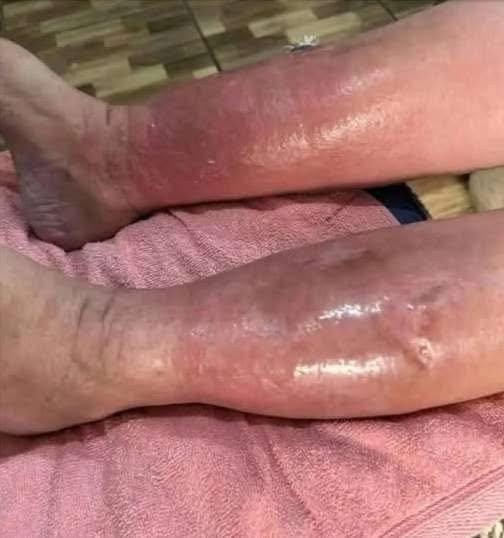
Swollen Feet Can Be a Sign of Various Health Issues
Swollen feet are a common health concern that can happen for many reasons, ranging from temporary fluid retention after a long day to an underlying medical condition that needs evaluation. The medical term for swelling caused by excess fluid in body tissues is edema. It can affect the feet, ankles, lower legs, hands, or other areas of the body.
In many cases, mild swelling improves with rest, movement, or changes in daily habits. However, persistent, sudden, painful, or one-sided swelling can sometimes be associated with circulation problems, injury, medication effects, or conditions involving the heart, kidneys, liver, or lymphatic system. Paying attention to the pattern of swelling and any additional symptoms can help a healthcare professional identify the cause.
What Does Foot Swelling Mean?
Feet and ankles may swell when fluid builds up in the tissues. Gravity naturally pulls fluid toward the lower parts of the body, which is why swelling is often more noticeable later in the day. People who stand or sit for prolonged periods may notice that shoes feel tighter by evening or that sock marks remain on the skin after they are removed.
Foot swelling is not a diagnosis by itself. Instead, it is a symptom with a broad range of possible explanations. The severity, timing, location, and associated symptoms all matter. For example, swelling in both feet after a long flight may have a different explanation from swelling that develops suddenly in one leg with pain or warmth.
Common Causes of Swollen Feet and Ankles
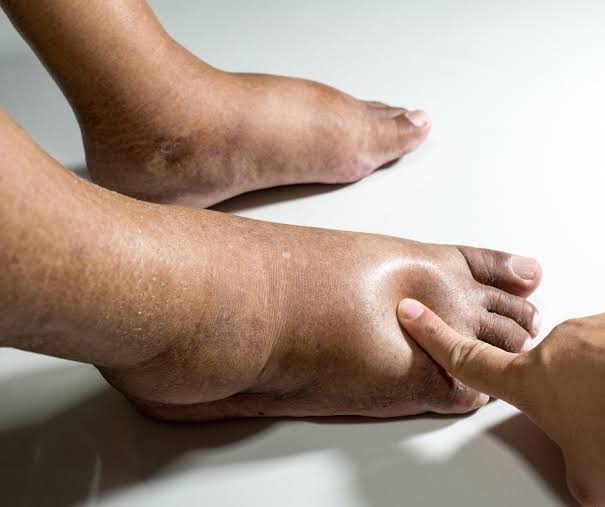
Prolonged Sitting or Standing
Long periods of inactivity can contribute to swelling in the feet and ankles. This is common during desk work, car travel, air travel, or occupations that require standing for much of the day. When leg muscles are not moving regularly, the body’s normal mechanisms for helping blood and fluid return toward the heart may be less effective.
Taking regular movement breaks, flexing the ankles, walking briefly, and avoiding sitting with legs crossed for long periods may help some people reduce mild swelling linked to inactivity. For frequent travelers, healthcare providers may also recommend individualized advice based on personal health history.
Warm Weather and Temporary Fluid Retention
Hot weather can cause blood vessels to widen, which may make it easier for fluid to move into surrounding tissues. Some people experience mild ankle and foot swelling during warmer months, particularly when they are less active or do not drink enough fluids. Hormonal changes can also contribute to temporary fluid retention in some individuals.
Although mild heat-related swelling may improve with cooler temperatures, hydration, and rest, it should not be assumed to be harmless if it is severe, new, or accompanied by other symptoms.
Pregnancy
Mild swelling in the feet and ankles is common during pregnancy, especially later in pregnancy. Changes in hormone levels, blood volume, and pressure from the growing uterus can all affect circulation. However, pregnant people should promptly discuss sudden or significant swelling with a maternity care team, particularly if it occurs with severe headache, vision changes, upper abdominal pain, or elevated blood pressure. These symptoms require timely medical assessment.
Injury or Inflammation
A sprain, strain, fracture, or other injury can cause swelling around the foot or ankle. Inflammation from conditions such as arthritis may also lead to localized swelling, stiffness, and discomfort. If a person cannot bear weight, has a visible change in the shape of the foot or ankle, or has substantial pain after an injury, medical advice is important.
Medication Side Effects
Some prescription and over-the-counter medicines can contribute to swelling. Certain blood pressure medicines, anti-inflammatory drugs, steroid medicines, hormone treatments, and diabetes medications are among those that may cause fluid retention in some people. This does not mean that medication should be stopped without advice. Anyone who suspects a medicine is contributing to swelling should speak with the clinician who prescribed it or a pharmacist.
Medical Conditions Associated With Swollen Feet
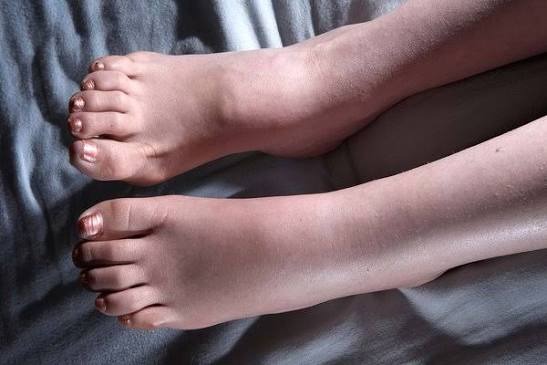
Persistent swelling may sometimes be connected to an underlying health condition. A clinician can assess the full picture, including medical history, medications, physical examination findings, and, when needed, blood tests or imaging.
Vein Problems and Chronic Venous Insufficiency
Veins in the legs contain valves that help move blood back toward the heart. If these valves do not work effectively, blood can pool in the lower legs. This may lead to chronic venous insufficiency, which can cause swelling, heaviness, aching, skin changes, or visible varicose veins. Symptoms may become more noticeable after standing and may improve after elevating the legs.
Management varies according to the individual and may include activity changes, weight management where appropriate, compression therapy recommended by a healthcare professional, or specialist care.
Heart, Kidney, or Liver Conditions
Because the heart, kidneys, and liver play important roles in fluid balance, some conditions affecting these organs can be associated with swelling. Heart failure, for example, can reduce the heart’s ability to pump effectively and may lead to fluid accumulation in the legs, ankles, or feet. Kidney disease can affect the body’s ability to remove excess salt and water. Liver disease may also alter fluid balance.
Swelling alone does not confirm any of these conditions. It is important not to self-diagnose. A medical professional can determine whether edema is related to an organ system disorder or to another, less serious cause.
Lymphedema
Lymphedema is swelling caused by a problem with the lymphatic system, which helps remove excess fluid and support immune function. It can occur after certain medical treatments or surgeries, including treatment involving lymph nodes, or because of inherited or acquired lymphatic conditions. The swelling may affect one limb or both and can become persistent without appropriate management.
Early evaluation can be valuable because treatment plans may include specialized exercise, skin care, compression approaches, and support from trained clinicians.
When Swollen Feet May Need Urgent Medical Care
Some forms of swelling need urgent assessment. Seek emergency medical help or contact local emergency services if foot or leg swelling occurs with symptoms such as chest pain, shortness of breath, fainting, coughing up blood, confusion, or a sudden worsening in general health. These symptoms can indicate a potentially serious problem and should not be managed at home.
Prompt medical attention is also important when one leg or foot suddenly becomes swollen, painful, warm, red, or tender, especially if there has been recent surgery, prolonged immobility, long-distance travel, pregnancy, or a history of clotting problems. A healthcare professional may need to rule out a deep vein thrombosis, commonly known as DVT.
Contact a clinician promptly if swelling is severe, follows an injury, does not improve, is accompanied by fever, or occurs alongside new skin discoloration, sores, numbness, or difficulty walking. People with diabetes, heart disease, kidney disease, liver disease, or known circulation problems should be especially cautious about new changes in their feet.
How Healthcare Professionals Evaluate Foot Swelling
A clinician may ask when the swelling started, whether it affects one foot or both, and whether it changes throughout the day. They may also ask about travel, recent injuries, activity levels, pregnancy, medical conditions, family history, and medicines or supplements.
During an examination, they may look for signs such as tenderness, warmth, skin color changes, varicose veins, reduced pulses, or “pitting” edema. Pitting occurs when pressing gently on swollen tissue leaves a temporary indentation. Depending on the suspected cause, further testing may include blood tests, urine tests, an ultrasound examination of leg veins, heart tests, or other imaging.
This process is important because the right treatment depends on the cause. Diuretics, sometimes called water pills, may be appropriate for certain conditions but are not suitable for every type of swelling. Likewise, compression garments may help some people but should be used with professional advice, particularly by people with arterial circulation disease.
Practical Steps for Mild Foot Swelling
For mild swelling that has an obvious temporary cause and no warning signs, simple measures may be helpful. These approaches are not a substitute for medical care when symptoms are persistent or concerning.
- Move regularly throughout the day, especially during travel or desk work.
- Elevate the feet when resting, if comfortable and medically appropriate.
- Choose comfortable footwear that does not constrict the feet or ankles.
- Maintain regular physical activity suited to personal health and mobility.
- Follow medical guidance on salt intake, particularly if a clinician has advised dietary changes.
- Take prescribed medicines exactly as directed and discuss side effects rather than stopping medicines independently.
- Monitor whether swelling is affecting one side or both sides and note any pain, skin changes, or breathing symptoms.
Maintaining healthy circulation often includes regular movement. Even small actions, such as ankle circles, calf stretches, and short walks, can be useful for people whose swelling is related to prolonged sitting or standing. However, people with pain, injury, or a diagnosed circulation condition should ask a clinician which activities are safe for them.
Why Monitoring Changes Matters
Keeping track of swelling can provide useful information during a medical appointment. Consider noting when it begins, what makes it better or worse, whether it is linked to travel or activity, and whether shoes or socks are leaving deeper marks than usual. If a clinician has advised weight monitoring because of heart or kidney disease, following that plan can also help identify fluid changes early.
Photographs taken over time may sometimes help document visible changes, although they cannot replace an in-person assessment. The most important factor is recognizing when a familiar symptom changes. New swelling, rapid worsening, swelling in only one limb, or swelling accompanied by breathing difficulties or pain deserves professional attention.
A Balanced Approach to Swollen Feet
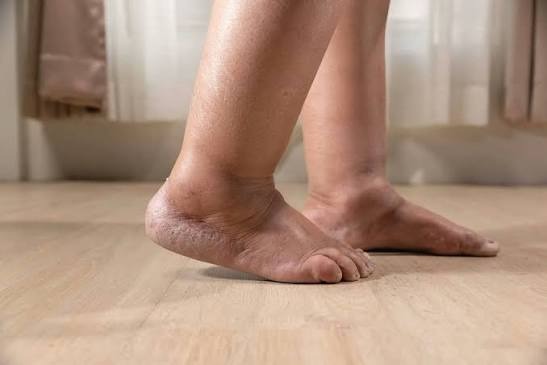
Swollen feet can be uncomfortable and concerning, but they are often manageable once the cause is understood. Temporary swelling may be related to daily routines, weather, travel, or minor injury. At the same time, edema can be an early sign of a medical condition that benefits from diagnosis and treatment.
The safest approach is to avoid assuming that all swelling has the same cause. Monitor symptoms carefully, use sensible self-care for mild and clearly temporary swelling, and seek medical guidance when symptoms are persistent, severe, sudden, or associated with pain, redness, warmth, shortness of breath, or other warning signs. Individual advice from a qualified healthcare professional remains the best way to determine the appropriate next step.

Sources
Disclaimer: This content is intended for entertainment purposes only and is not based on real events.