

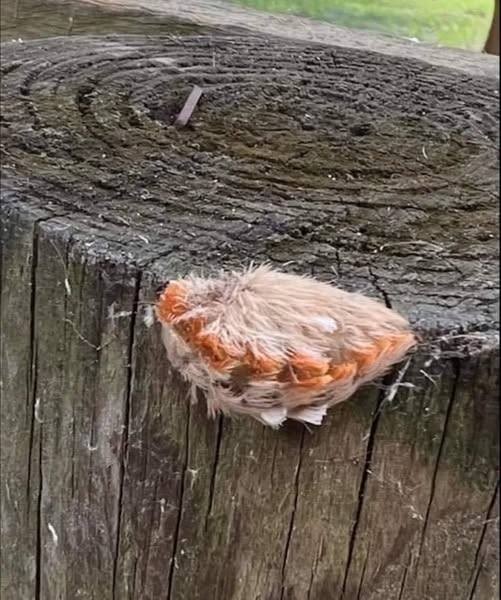
Puss Caterpillar: Why You Should Never Touch This Furry-Looking Caterpillar
Time outdoors offers children and adults many opportunities to observe insects, plants, and wildlife. Most caterpillars are harmless and play an important role in local ecosystems. However, a small number of species have defensive hairs or spines that can cause painful skin reactions when touched. One of the best-known examples in parts of the United States is the puss caterpillar, a soft-looking larva whose appearance can be misleading.
The puss caterpillar is the larval stage of the southern flannel moth, scientifically known as Megalopyge opercularis. It may look like a tiny tuft of fur, a loose piece of lint, or a small furry ball resting on a leaf, tree trunk, playground structure, or outdoor surface. Beneath its silky-looking outer covering, however, are venomous spines that can break the skin and deliver venom.
Public-health experts and entomologists generally offer a simple rule for people spending time outside: do not touch unfamiliar caterpillars, even if they look soft, colorful, or harmless. This guidance is especially important for young children, who may be naturally curious about small animals and insects.
What Is a Puss Caterpillar?
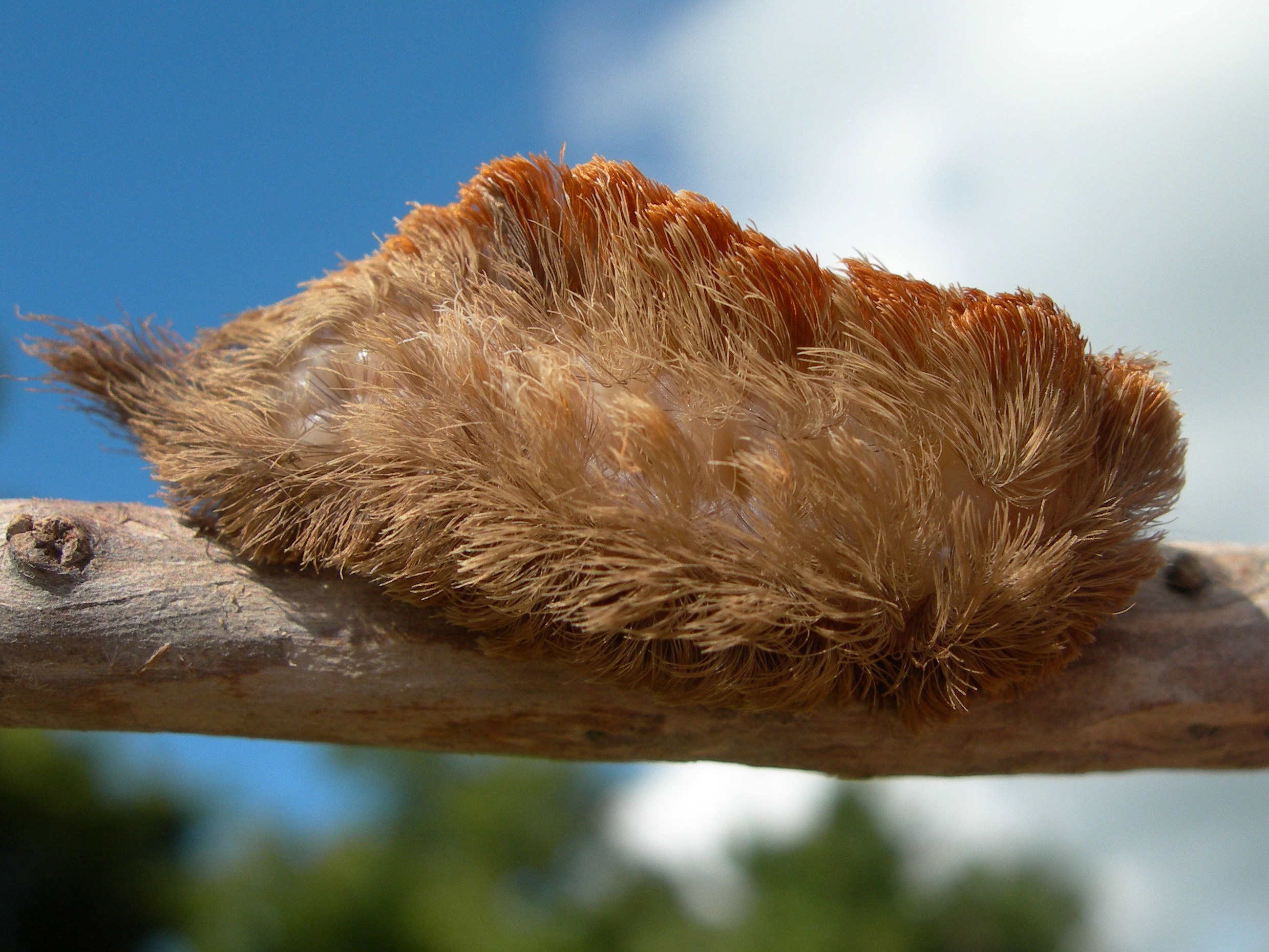
The puss caterpillar is one of the most distinctive caterpillars in the southern and southeastern United States. Its common name is linked to its fur-like appearance, which some observers compare to the coat of a small cat. Adults are called southern flannel moths and are usually less conspicuous than their larval form.
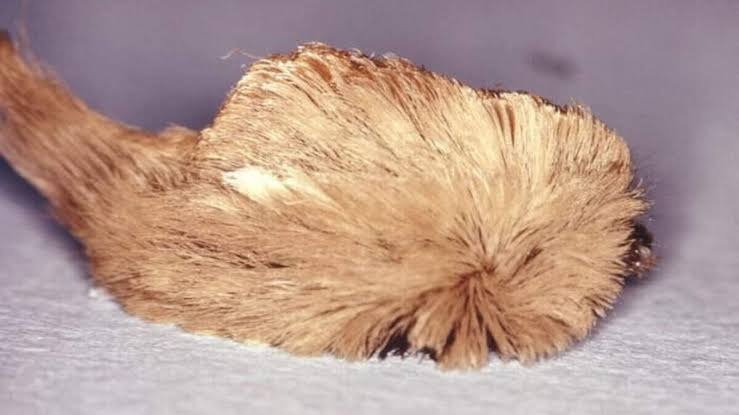
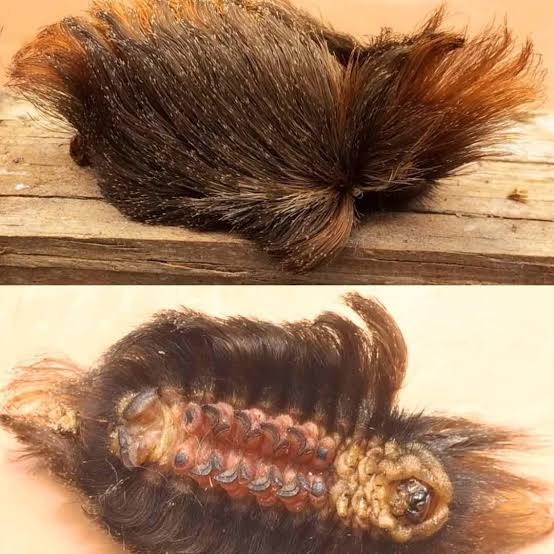
Fully grown puss caterpillars are typically around 1 inch long, though their size and color can vary. They are often pale brown, gray, yellowish, reddish, or greenish, with long, soft-looking hairs that taper toward the rear. This fuzzy covering conceals clusters of hollow spines. When pressure is applied to the caterpillar, the spines can embed in skin and release venom.
Although the insect is sometimes described online in alarming terms, it is important to keep the risk in perspective. Contact with a puss caterpillar is uncommon, and severe outcomes are rare. Still, the sting can be intensely painful and may require medical attention, particularly if symptoms are serious or affect a child, an older adult, or a person with a history of severe allergic reactions.
Where Puss Caterpillars Are Found
Megalopyge opercularis is most commonly associated with the southern United States. Its range includes Texas and states along the Gulf Coast, as well as parts of the Southeast. It has also been reported in portions of the Mid-Atlantic region. The caterpillar may be seen on a wide range of trees and shrubs, including oak, elm, citrus, pecan, plum, and other ornamental plants.
Reports of puss caterpillars can increase at certain times of year, particularly in late summer and fall, when people are more likely to encounter mature larvae moving away from host plants to pupate. Regional weather, vegetation, and local insect populations all influence how often they are seen. A viral social-media post from one state should not be treated as evidence that the caterpillar is widespread everywhere, but awareness is useful in areas where it naturally occurs.
The caterpillar is not aggressive. It does not seek out people or chase them. Stings usually happen accidentally when someone brushes against one on a tree, picks it up, leans on a surface where it is resting, or handles foliage without noticing it. This is why caution around unfamiliar insects is more practical than fear.
Why the Sting Can Be Painful
The apparent “fur” of a puss caterpillar is not simply a harmless coat. It helps conceal venom-delivering spines. If the caterpillar is touched, these spines can penetrate the skin. The intensity of a reaction may depend on the location of contact, the number of spines involved, the amount of pressure applied, and the individual’s sensitivity.
According to poison-control and medical guidance, common symptoms may include immediate burning or stinging pain, redness, swelling, itching, and a rash at the site of contact. Some people report that pain radiates beyond the sting site, especially after contact on a hand or arm. Blisters can develop in some cases, and skin irritation may remain visible for days or longer.
People can respond differently to insect venom and spines. A person may experience a mild, localized skin reaction, while another may have more substantial pain or swelling. This variation is one reason experts recommend contacting a poison center or health professional when there is uncertainty, significant discomfort, or symptoms beyond the immediate area of the sting.
Symptoms That Need Urgent Medical Care
Most insect-related skin reactions can be managed with basic first aid and medical advice when needed. However, emergency help should be sought immediately if a person develops symptoms that may indicate a severe allergic reaction. These can include trouble breathing, wheezing, swelling of the lips, tongue, face, or throat, widespread hives, fainting, confusion, severe dizziness, or rapid worsening of symptoms.
In the United States, call 911 for a medical emergency. For non-emergency exposure guidance, the national Poison Help line at 1-800-222-1222 connects callers with local poison-control experts. These specialists can provide advice based on the person’s age, symptoms, medical history, and the nature of the exposure.
Parents and caregivers should be particularly cautious when a young child may have touched an unknown caterpillar. Children may not be able to describe pain clearly, may rub their eyes after touching an insect, or may have a larger reaction relative to their body size. Promptly washing hands and seeking poison-control guidance can help prevent complications and reduce anxiety.
What to Do if You Touch a Puss Caterpillar
If someone accidentally makes contact with a puss caterpillar or another hairy caterpillar, the first step is to move away from the insect and avoid rubbing the affected skin. Rubbing can push additional spines into the skin or spread irritating hairs to other areas.
Poison-control guidance commonly recommends using adhesive tape to lift away visible spines or hairs. Place tape gently over the affected area and remove it, repeating with fresh tape if necessary. Afterward, wash the area carefully with soap and water. Avoid scrubbing aggressively, as this may worsen irritation.
A cold pack wrapped in a clean cloth may help relieve pain and swelling. Over-the-counter treatments, including topical hydrocortisone for itching or appropriate pain-relief medicines, may be useful for some people, but individuals should follow product instructions and consult a pharmacist, poison center, or clinician when they have questions. Home remedies should never replace professional medical advice when symptoms are severe or worsening.
If caterpillar hairs get into the eyes, do not rub the eyes. Rinse with clean water and seek medical evaluation or poison-control advice promptly. Eye exposure can be more serious than a simple skin contact because tiny hairs and spines may irritate sensitive tissue.
How to Keep Children Safe Outdoors
Prevention is the most effective approach. Children do not need to be afraid of nature, but they benefit from clear, age-appropriate safety rules. A useful message is: look, do not touch. Teach children not to pick up caterpillars, spiders, insects, mushrooms, or unknown berries without an adult who can identify them safely.
At parks, school grounds, gardens, and playgrounds, adults can briefly inspect benches, railings, trees, and low branches before children play nearby. This is especially sensible in areas with dense vegetation or during caterpillar season. Long sleeves, closed-toe shoes, and gloves can also offer some protection while gardening, pruning shrubs, handling firewood, or working around trees.
If a caterpillar is found in a frequently used outdoor area, it is best not to handle it directly. Property managers, gardeners, or pest-control professionals may be able to advise on safe removal if necessary. In many cases, simply leaving wildlife undisturbed is appropriate, provided people and pets can avoid contact.
Pets and Puss Caterpillars
Dogs and cats can also be exposed to stinging caterpillars, particularly when sniffing plants, walking through leaf litter, or investigating objects on the ground. A pet may paw at its mouth, drool, shake its head, lick a painful area, or appear distressed after contact. Because animals cannot explain what happened, suspected exposure should be taken seriously.
Pet owners should contact a veterinarian or veterinary poison expert if they believe an animal has encountered a venomous caterpillar. Do not attempt to remove embedded hairs from an animal’s mouth or eyes without professional guidance, as this can cause additional injury or distress. Keeping pets on a leash in unfamiliar wooded or landscaped areas can reduce accidental contact.
Why Caterpillars Matter in the Ecosystem
Even species with defensive spines are part of the natural environment. Caterpillars are a food source for birds and other animals, and they eventually develop into moths or butterflies that contribute to food webs. The goal of public education is not to encourage people to harm these creatures, but to help communities understand how to share outdoor spaces safely.
Entomologists often emphasize that an insect’s unusual appearance does not make it dangerous by default. Many fuzzy caterpillars are harmless, while some species that look ordinary may have irritating hairs or spines. Since accurate identification can be difficult from a distance, avoiding contact with all unfamiliar caterpillars is the most reliable advice.
Knowing the difference between awareness and alarm is valuable. Families can enjoy gardens, trails, and parks while taking simple precautions: observe insects without touching them, wear suitable clothing for outdoor work, supervise children, and know where to obtain reliable health advice if exposure occurs.
Key Takeaway: Look, Do Not Touch
The puss caterpillar’s soft, fur-like exterior is a reminder that wildlife should be observed respectfully from a distance. In regions where the species occurs, a brief safety conversation can help children and adults avoid a painful encounter. Do not handle a caterpillar that cannot be confidently identified, and seek professional advice if contact causes significant pain, swelling, or other concerning symptoms.
Reliable information from poison-control centers, university extension programs, and public-health organizations is more useful than viral posts or dramatic claims online. With practical precautions and a calm understanding of the risk, people can continue to enjoy outdoor spaces safely.
Sources
Disclaimer: This content is intended for entertainment purposes only and is not based on real events.