

Here’s How to Clean Dirty Pillows From Bed to Leave Them White and Sweet Scent
Clean pillows are an important part of a comfortable, healthy sleep environment. Although pillowcases provide a useful barrier, pillows can gradually absorb sweat, body oils, skin cells, dust, and moisture over time. This may lead to yellowing, unwanted odors, and a buildup of allergens that can be particularly bothersome for people with asthma or allergies.
Many pillows can be washed safely at home, but the right method depends on the filling and the care label. Polyester-filled and down-filled pillows are often machine washable, while memory foam and latex pillows usually require spot cleaning instead of a full wash. Understanding these differences can help extend the life of bedding while keeping it fresh and supportive.
Regular pillow care is not only about appearance. A clean pillow can make the bed feel more inviting, reduce stale odors, and support a more hygienic bedroom routine. However, cleaning should always be done carefully. Harsh products, excessive bleach, and improper drying can damage pillow fillings, irritate skin, or leave moisture trapped inside the pillow.
Why Bed Pillows Turn Yellow Over Time
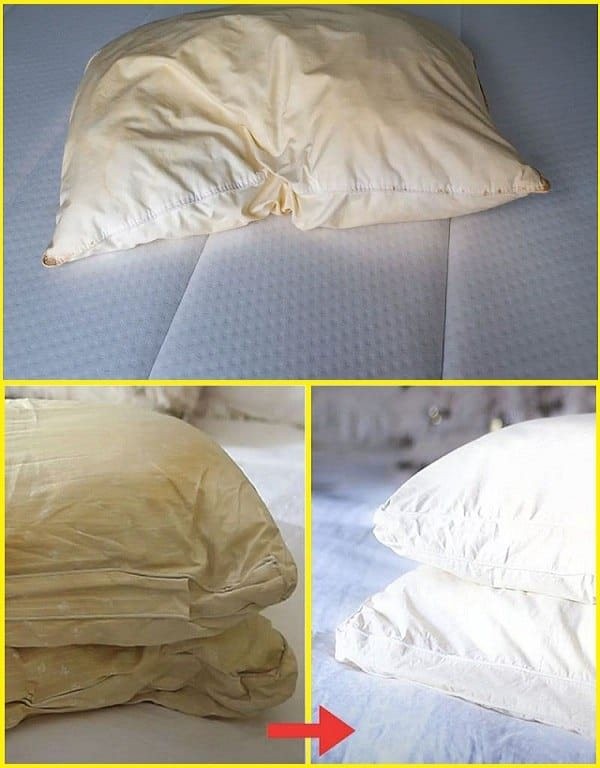
Yellow marks on pillows are common and usually develop gradually. During sleep, the body naturally releases perspiration and oils. Even when a pillow is covered with a pillowcase, some moisture and oils can pass through the fabric. Hair products, facial moisturizers, saliva, and residue from makeup can also contribute to discoloration.
Dust and tiny particles from the surrounding room can settle into bedding as well. In humid conditions, moisture may linger longer in pillow materials, creating an environment that can encourage odor-producing microbes. This does not mean every yellowed pillow is unsafe, but it does indicate that it may benefit from cleaning or replacement.
For people who experience seasonal allergies, dust sensitivity, or asthma symptoms, bedding hygiene can be especially relevant. The American Academy of Allergy, Asthma & Immunology notes that dust mites are a common indoor allergen, and reducing exposure can be part of an overall allergy-management plan. Regularly laundering bedding and using washable protective covers may help reduce allergen accumulation.
Check the Pillow Care Label Before Washing
The most important step before cleaning any pillow is to read its care label. Manufacturers provide specific guidance based on the filling, fabric, and construction. Ignoring these instructions can cause clumping, shrinkage, loss of shape, or damage to the pillow.
Most pillows fall into a few broad categories:
- Polyester or synthetic-fill pillows: These are commonly machine washable and relatively easy to dry.
- Down and feather pillows: Many can be machine washed, but they require gentle detergent and thorough drying to prevent moisture and clumping.
- Memory foam pillows: These generally should not be submerged or machine washed because foam can break down when soaked.
- Latex pillows: These usually require spot cleaning and careful air drying, as washing can damage the material.
- Buckwheat or specialty-fill pillows: These may need their filling removed before the cover is cleaned. Always follow the product instructions.
If the label states “dry clean only” or advises against machine washing, follow that recommendation. When the label is missing, it is safer to use a gentle spot-cleaning method rather than assume that a pillow can tolerate a washing machine.
How Often Should Pillows Be Cleaned?
There is no single schedule that fits every household, but many bedding-care experts recommend washing washable pillows every few months, depending on personal habits, allergies, and whether a pillow protector is used. Pillowcases should be washed much more frequently, often weekly, because they come into direct contact with the face and hair.
A washable pillow protector placed beneath the pillowcase adds another layer of defense against sweat, oils, and dust. It can be washed regularly and may help pillows stay clean for longer. This is especially useful for people who sweat during sleep, share a bed with pets, or live in warm and humid climates.
Rather than relying only on a calendar, look for practical signs that a pillow needs attention. Persistent odor, visible yellowing, reduced loft, stains, or increased allergy discomfort may indicate that it is time to wash or replace the pillow. A pillow that no longer provides proper neck support may need replacing even if it appears clean.
How to Wash Machine-Washable Pillows Safely
Before washing, inspect the pillow for tears or weak seams. A damaged pillow may release filling in the washing machine. If the pillow is in good condition and the care label permits machine washing, use a gentle cycle and mild laundry detergent.
Front-loading washing machines are often preferred because they do not have a central agitator that can strain pillow seams. If using a top-loading machine with an agitator, check whether the manufacturer permits it. Washing two pillows at the same time can help balance the machine, but do not overload it.
Use warm or cool water unless the care label specifies otherwise. Hot water can be appropriate for some washable bedding, but it may not suit every pillow filling. A small amount of mild detergent is usually enough. Too much detergent can be difficult to rinse out and may leave the pillow feeling stiff or cause skin irritation.
An extra rinse cycle can be useful, especially for thick pillows or down-filled products. It helps remove detergent residue that may otherwise remain inside the filling. Avoid fabric softener unless the care label specifically allows it, as it can coat fibers and reduce the pillow’s breathability.
Should You Use Bleach on Yellow Pillows?
Bleach is often suggested as a quick way to brighten white bedding, but it should be used with caution. Chlorine bleach can weaken fibers, damage some fillings, and cause discoloration if used incorrectly. It is not suitable for many pillow types, especially down, feathers, foam, latex, or colored fabrics.
Never mix bleach with ammonia, vinegar, rubbing alcohol, or other household cleaners. Combining cleaning chemicals can create hazardous fumes. If a care label allows bleach, use only the type and amount recommended by the manufacturer, ensure the room is well ventilated, and rinse the pillow thoroughly.
For many washable pillows, a gentler approach is preferable. Mild detergent, proper rinsing, and complete drying can often improve freshness without relying on harsh chemicals. For localized stains, follow the manufacturer’s spot-treatment directions or consider a small amount of color-safe oxygen-based laundry product only when it is compatible with the pillow’s care instructions.
Drying Pillows Completely Is Essential
Drying is one of the most important parts of pillow cleaning. A pillow that remains damp inside can develop an unpleasant odor and may lose its shape. Down and synthetic pillows can often be tumble dried on a low heat setting if the care label permits. High heat may damage fibers or fabric, so low heat and patience are usually the best approach.
Clean dryer balls can help separate the filling and restore loft during drying. Some people use clean tennis balls, but dryer balls are designed for laundry use and are a more practical option. Pause the dryer periodically to fluff the pillow by hand and check whether it is drying evenly.
A pillow may feel dry on the outside while still holding moisture deep in the filling. Continue drying until the pillow is fully dry throughout. If machine drying is not recommended, place the pillow in a well-ventilated area and allow sufficient time for air drying. Avoid putting a damp pillow back on the bed.
Cleaning Memory Foam and Latex Pillows
Memory foam and latex pillows require a different approach because soaking them can damage their structure. Start by removing and washing the outer cover if it is washable. For the pillow itself, vacuum the surface gently using a clean upholstery attachment to remove dust and loose debris.
For small stains, use a lightly damp cloth with a small amount of mild detergent. Dab rather than rub aggressively, and avoid saturating the foam. Wipe with a second cloth dampened only with clean water, then allow the pillow to air dry completely in a cool, well-ventilated place.
Direct sunlight may help air out some pillows, but prolonged or intense sun exposure can degrade certain foam materials. Check the manufacturer’s recommendations before placing foam or latex outside. If the pillow has a strong odor, serious staining, or signs of breakdown, replacement may be more appropriate than deep cleaning.
Simple Ways to Keep Pillows Fresh Between Washes
Good daily and weekly habits can reduce how often pillows need a deep clean. Start with clean pillowcases and wash them regularly. If possible, use a pillow protector with a zipper, particularly for pillows that are expensive, difficult to wash, or used by someone with allergies.
Allow the bed to air out after waking by pulling back the covers for a short time. This can help moisture evaporate rather than remain trapped in bedding. Keep bedrooms reasonably ventilated, especially in humid weather, and address persistent dampness in the home.
It can also be helpful to avoid going to bed with heavy hair products, makeup, or damp hair. These habits can transfer oils and product residue to pillowcases and pillows. Regularly washing sheets, blankets, and mattress protectors supports a cleaner overall sleep space.
When It Is Time to Replace a Pillow
Cleaning can refresh many pillows, but it cannot restore every pillow indefinitely. A pillow should be replaced when it no longer offers comfortable support, has permanent odors, remains lumpy after washing, or has damaged filling. The right replacement schedule varies by material, quality, and use.
A simple support check is to fold the pillow in half. If it stays folded and does not spring back, it may have lost much of its structure. This is not a universal test for every pillow type, but it can be a useful indication for traditional synthetic or down pillows.
For people with allergies, replacing pillows when they become difficult to clean may also be worthwhile. A new pillow, combined with a washable cover and consistent laundering routine, can help create a more comfortable sleep environment.

Key Takeaway for Cleaner, More Comfortable Bedding
Yellowing and odors are normal signs that a pillow has absorbed everyday moisture, oils, and dust. The best solution is not necessarily aggressive cleaning products. Instead, follow the care label, wash suitable pillows with mild detergent, dry them completely, and protect them with regularly washed pillowcases and covers.
For foam, latex, and specialty pillows, use gentle surface cleaning rather than machine washing. When a pillow no longer feels supportive or cannot be cleaned effectively, replacing it is often the most practical choice. Consistent bedding care can help maintain a fresher bed and contribute to more restful sleep.
Sources
Disclaimer: This content is intended for entertainment purposes only and is not based on real events.