

Why Do You Drool While Sleeping?
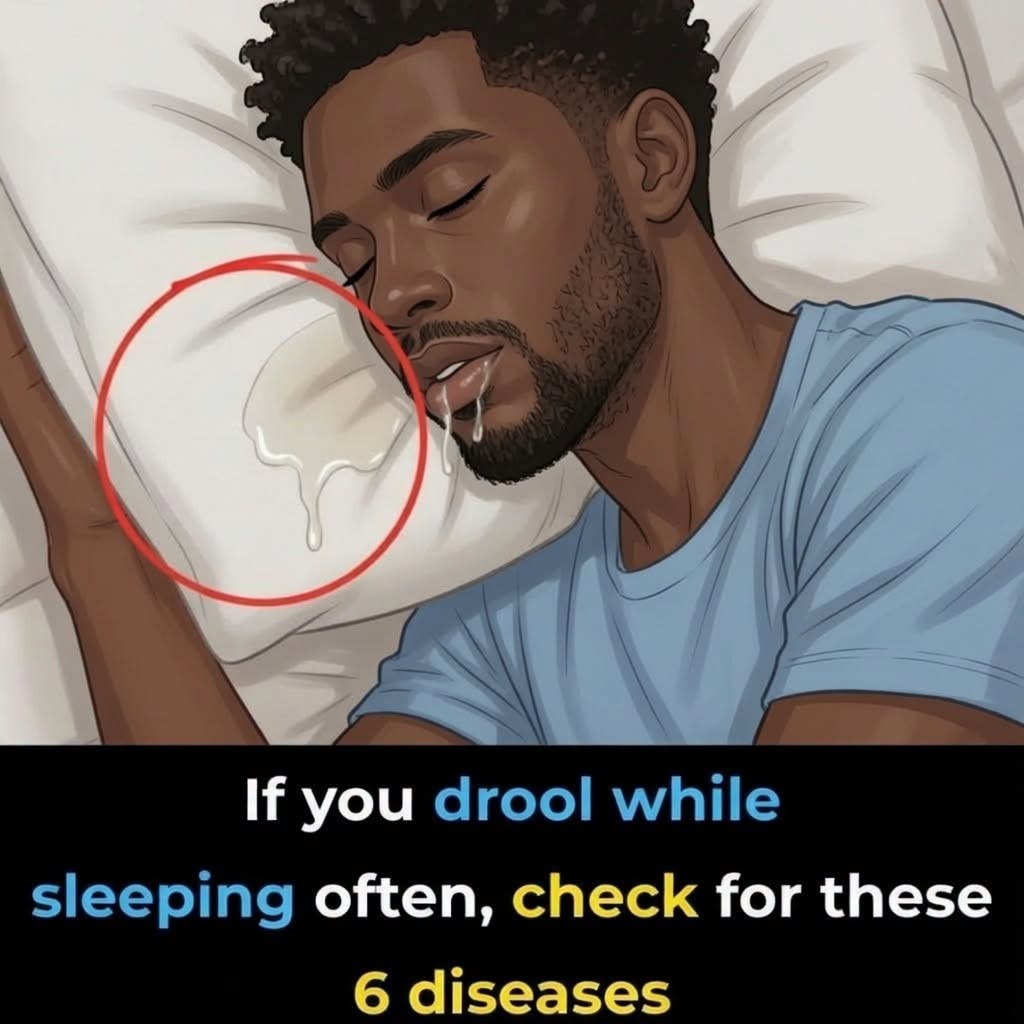
Waking up with saliva on your pillow can be uncomfortable or embarrassing, but drooling during sleep is common and is often harmless. Saliva production continues while people sleep, yet swallowing becomes less frequent because the body is resting. If the mouth opens, the head is positioned in a way that lets saliva flow outward, or nasal breathing is difficult, some saliva may escape.
In medical terms, excessive saliva production is sometimes called sialorrhea, while difficulty keeping saliva inside the mouth may relate to swallowing, muscle control, or mouth closure. However, occasional nighttime drooling does not necessarily mean a person has a medical condition. For many people, it is simply related to sleep position, temporary nasal congestion, or ordinary changes in sleep.
Understanding the possible reasons can help people decide whether simple lifestyle adjustments may help or whether it is sensible to discuss the symptom with a healthcare professional. Persistent drooling, especially when it appears alongside swallowing difficulties, changes in speech, breathing problems, or new neurological symptoms, deserves medical attention.
Why Saliva Can Escape During Sleep
Saliva has important roles in daily health. It helps moisten food, supports swallowing, protects teeth and gums, and begins the digestive process. The salivary glands continue to work during sleep, although saliva flow generally decreases compared with waking hours.
When awake, people automatically swallow saliva regularly and adjust their lips, tongue, and jaw to keep it in the mouth. During sleep, these reflexes and muscle movements are reduced. A relaxed jaw or slightly open mouth can therefore allow saliva to pool and flow out. This is especially likely during deeper stages of sleep, when voluntary control of posture and facial muscles is limited.
Drooling is not always caused by making too much saliva. In many cases, the amount of saliva is normal, but a person is not swallowing it as often or is sleeping in a position that allows it to leave the mouth.
Sleeping Position Is a Common Explanation
Sleep position is one of the most straightforward reasons for waking with a damp pillow. People who sleep on their side or stomach may be more likely to drool because gravity allows saliva to move toward the edge of the mouth. If the mouth opens while the person is deeply asleep, saliva can escape more easily.
Back sleeping may reduce the tendency for saliva to run outward for some people, although it is not appropriate or comfortable for everyone. In particular, people who snore heavily or have suspected obstructive sleep apnea should speak with a clinician before making major sleep-position changes, because sleeping on the back can worsen airway obstruction in some individuals.
A supportive pillow and a position that keeps the head and neck comfortably aligned may help some people reduce mouth opening at night. Still, drooling alone is usually not a reason to force an uncomfortable sleeping position. Good sleep quality remains important for overall health.
Nasal Congestion and Mouth Breathing
A blocked nose is another frequent contributor to nighttime drooling. When nasal passages are congested because of a cold, seasonal allergies, sinus irritation, or structural issues such as a deviated septum, breathing through the nose can feel difficult. The body may respond by breathing through the mouth during sleep.
Mouth breathing can lead to a relaxed, open-mouth posture, increasing the likelihood that saliva will escape. Some people may also experience a dry mouth, sore throat, snoring, or restless sleep when they cannot breathe comfortably through the nose.
For short-term congestion, practical measures such as adequate hydration, avoiding known allergy triggers where possible, and using treatments recommended by a pharmacist or clinician may be useful. People with ongoing nasal blockage, recurrent sinus symptoms, or persistent mouth breathing may benefit from an assessment by a primary care professional, allergist, or ear, nose, and throat specialist.
Acid Reflux and Extra Saliva
Gastroesophageal reflux disease, commonly known as GERD, may sometimes be associated with increased saliva. When stomach contents move back toward the esophagus, the body may produce more saliva as part of a protective response. This response is sometimes referred to as water brash.
Not everyone with reflux experiences noticeable nighttime drooling, and drooling by itself does not diagnose GERD. However, reflux may be worth considering if drooling occurs with symptoms such as heartburn, sour-tasting fluid in the mouth, chronic cough, hoarseness, throat irritation, or symptoms that worsen after lying down.
Evidence-based reflux management often includes avoiding meals close to bedtime, identifying personal food triggers, maintaining a healthy weight when advised, and discussing persistent symptoms with a healthcare professional. A clinician can determine whether medication, testing, or other treatment is appropriate. Frequent reflux should not be ignored, as it can affect comfort, sleep, and quality of life.
Sleep Apnea, Snoring, and Disrupted Sleep
Obstructive sleep apnea is a condition in which the upper airway repeatedly narrows or closes during sleep, causing interruptions in breathing. It can contribute to loud snoring, gasping or choking sounds during sleep, frequent awakenings, morning headaches, and excessive daytime sleepiness. Some people with sleep apnea also breathe through their mouths or have difficulty maintaining a closed-mouth position, which may contribute to drooling.
Drooling is not a defining sign of sleep apnea and should not be used to diagnose it. Nevertheless, it may be one detail worth mentioning if it occurs alongside other symptoms of disrupted breathing or poor sleep. Untreated sleep apnea can be associated with important health risks, including effects on cardiovascular health, concentration, and daytime alertness.
Anyone who regularly snores loudly, has witnessed breathing pauses during sleep, wakes unrefreshed, or feels unusually sleepy during the day should consider seeking medical advice. A clinician may recommend a sleep evaluation or formal sleep study when appropriate.
Medications, Infections, and Dental Factors
Some medications can increase saliva production or affect muscle coordination, making nighttime drooling more likely. Medicines used for certain neurological, psychiatric, or gastrointestinal conditions may have this effect in some people. Medication changes should never be made independently; a prescriber or pharmacist can explain potential side effects and safer alternatives if they are available.
Temporary infections or inflammation can also make swallowing uncomfortable. A sore throat, tonsillitis, oral irritation, or dental discomfort may cause a person to swallow less often, particularly during sleep. In these situations, drooling may improve as the underlying problem resolves.
Dental alignment, poorly fitting dental appliances, and jaw position can sometimes influence how easily the lips close and how saliva moves in the mouth. Regular dental care is useful not only for teeth and gums but also for identifying oral issues that may affect comfort, chewing, or swallowing.
Neurological Causes of Excessive Drooling
In a smaller number of cases, drooling can be associated with neurological conditions that affect facial muscles, tongue movement, posture, or the ability to swallow efficiently. The issue is often not excessive saliva production but reduced control of saliva within the mouth.
Conditions affecting the nervous system, including Parkinson’s disease, stroke-related impairment, cerebral palsy, and some neuromuscular disorders, can sometimes lead to drooling. This does not mean that ordinary nighttime drooling indicates a neurological disease. Most people who occasionally drool while sleeping do not have a serious neurological condition.
However, new or worsening drooling should be assessed promptly if it is accompanied by facial weakness, trouble speaking, difficulty swallowing, confusion, severe headache, weakness or numbness in an arm or leg, or a sudden loss of balance. These symptoms can require urgent medical evaluation. In an emergency, local emergency services should be contacted immediately.
How to Reduce Drooling During Sleep
When drooling is mild and no concerning symptoms are present, simple adjustments may help. Results vary, since the best approach depends on the underlying cause.
- Review sleeping position: If comfortable, try adjusting the pillow or changing position to reduce pressure that encourages the mouth to fall open.
- Address nasal congestion: Seek advice for recurring allergies, colds, or sinus symptoms that interfere with nasal breathing.
- Practice good sleep habits: Aim for a consistent schedule, a comfortable sleep environment, and sufficient rest. Poor sleep can make snoring and mouth breathing more noticeable.
- Manage reflux symptoms: Avoid lying down immediately after large meals and discuss frequent heartburn or nighttime reflux with a clinician.
- Review medicines: Ask a pharmacist or prescribing professional whether a medication could be contributing. Do not stop prescription medication without advice.
- Keep bedding comfortable: Using an easily washable pillowcase or a pillow protector can reduce inconvenience while the cause is being addressed.
Products that force the mouth closed during sleep are not suitable for everyone. People with nasal obstruction, breathing concerns, sleep apnea symptoms, or certain medical conditions should not use approaches that restrict mouth breathing without consulting a qualified healthcare professional.
When to Speak With a Healthcare Professional
Occasional drooling without other symptoms is usually not a medical emergency. It may be reasonable to seek advice if drooling is frequent, suddenly worsens, disrupts sleep, causes skin irritation, affects daily life, or occurs with coughing or choking while eating or drinking.
A healthcare professional can ask about sleep quality, congestion, reflux, medications, dental health, and swallowing. Depending on the situation, they may recommend treatment for allergies or reflux, a dental review, a sleep assessment, swallowing support, or referral to a specialist.
The key point is that nighttime drooling is often manageable and commonly linked to ordinary factors such as sleep position or temporary congestion. Paying attention to accompanying symptoms can help distinguish a minor nuisance from an issue that needs professional evaluation.
Sources
Disclaimer: This content is intended for entertainment purposes only and is not based on real events.