

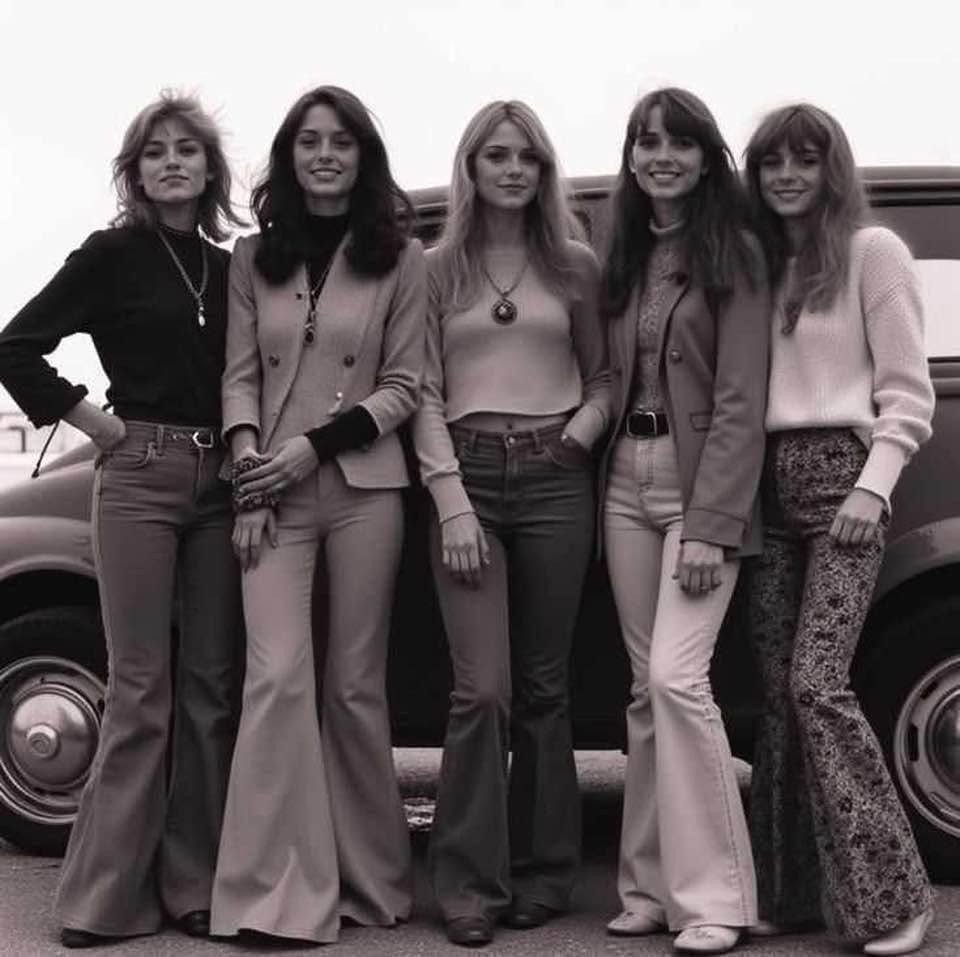
Photographs from the 1970s Offer a Fascinating Glimpse Into Everyday Life
Photographs from the 1970s offer more than a nostalgic view of a previous decade. They provide valuable visual evidence of how people dressed, communicated, travelled, relaxed, worked, and spent time with family and friends. A casual image of children in a garden, a family at a kitchen table, or friends gathered beside a car can reveal details that written history sometimes overlooks.
For many people, the 1970s feel close enough to remember but distant enough to appear strikingly different. The decade came before the internet, smartphones, social media platforms, and digital cameras became part of daily life. At the same time, it was a period of significant cultural, economic, and technological change in many countries. Vintage photographs help connect these larger historical developments with the ordinary routines of individuals and families.
Looking back at the 1970s through photographs should not mean treating the past as a perfect or simpler time. Like every era, the decade included serious economic pressures, social inequality, political tension, and changing expectations around work and family life. Yet these images remain meaningful because they preserve authentic everyday moments. They show people living within the circumstances of their time, often without realizing that their ordinary photographs would later become historical records.
Why 1970s Photos Remain So Compelling
Historical photographs allow viewers to notice details that might otherwise be forgotten. Clothing, household objects, street signs, furniture, vehicles, and public spaces all help tell the story of a period. A photograph taken at a birthday party may show the design of a living room, the packaging of popular food products, or the kinds of toys children used. A snapshot from a holiday may reveal how families travelled and what leisure looked like before mobile devices and online booking became commonplace.
These details are useful to historians, archivists, designers, and families alike. Museums and libraries collect photographs because they document both major events and everyday experience. While formal news images record public figures and important moments, personal photographs often capture another side of history: school events, weddings, neighborhood gatherings, work celebrations, and quiet family routines.
The appeal of 1970s photography is also connected to its physical form. Many images were made on film and printed as photographs to be placed in albums, frames, or boxes. The prints could fade, crease, or collect notes on the back, but they also became tangible objects that families could hold and share. For many households, looking through a photo album was a social activity that encouraged stories and memories to be passed between generations.
1970s Fashion and Hairstyles in Everyday Photography
Fashion is often among the first features people notice in photographs from the 1970s. The decade included a broad variety of styles rather than one single look. Bell-bottom trousers, flared jeans, polo shirts, denim jackets, patterned shirts, knitwear, long skirts, platform shoes, and colorful synthetic fabrics appeared in many parts of popular culture. What people wore depended on their age, location, income, occupation, and personal taste, but certain visual trends became strongly associated with the period.
Hairstyles also help date photographs from the era. Longer hair was popular among many young men and women, while layered cuts, feathered styles, afros, perms, and other looks reflected changing fashion and cultural expression. These features can make a 1970s image recognizable almost immediately, even when there is no date written on the print.
However, family photographs also remind viewers that fashion was never limited to magazine trends. Many people wore practical clothes for work, school, outdoor activities, or caring for children. A picture may show durable trousers, simple sweaters, uniforms, or garments repaired and worn over several years. This contrast between high-profile fashion and ordinary clothing offers a more complete understanding of daily life during the decade.
Everyday Life Before Smartphones and Social Media
One of the clearest differences between the 1970s and the present is the absence of personal digital technology. Smartphones, instant messaging, online video, and social media now influence how many people communicate, organize plans, and document their lives. In the 1970s, communication relied more heavily on landline telephones, letters, printed newspapers, radio broadcasts, and face-to-face conversations.
This does not mean that people in the 1970s were disconnected. Communities had many ways to maintain relationships. Friends arranged meetings in advance, spoke on the telephone, visited one another’s homes, and gathered at schools, workplaces, clubs, places of worship, sports events, or local shops. Families often shared household spaces and entertainment, partly because there were fewer personal screens available.
Photographs from the period frequently show people gathered around dining tables, on front porches, in back gardens, at parks, or during trips to the beach. Such images can feel especially notable today because they show social interaction without visible devices. Still, it is important not to draw overly simple conclusions. People have always faced distractions, time pressures, and communication challenges. The tools have changed, but the desire for connection, belonging, and shared memories remains familiar across generations.
Entertainment, Music, and Shared Leisure in the 1970s
Entertainment in the 1970s often involved shared spaces and physical media. Music was heard through radio, vinyl records, cassette tapes, and home stereo systems. Record shops and radio stations played an important role in introducing audiences to new artists and musical styles. The decade was influential across rock, soul, disco, punk, country, reggae, funk, and many other genres, though musical preferences varied widely by country and community.
At home, television was a major source of entertainment. Many families watched scheduled programs together because viewers generally had fewer channels and less control over when content could be watched. Television sets were often prominent pieces of furniture, and a living-room photograph may reveal how central the screen was to household life. Cinema visits, sports, board games, card games, reading, and local social events were also important forms of leisure.
For children, free time often included riding bicycles, playing outdoors, visiting friends, participating in organized sports, or exploring nearby streets and parks. These activities were not universal, and access to safe recreational spaces differed greatly between communities. Nevertheless, photographs of outdoor play remain among the most recognizable images of childhood in the period.
Film Photography and the Value of Waiting
Before digital cameras, taking a photograph usually involved film. Each roll had a limited number of exposures, which encouraged many people to be selective about when they pressed the shutter. After a roll was finished, it had to be developed and printed, either at home by experienced photographers or through a processing service. The wait between taking a photo and seeing it was a normal part of the experience.
Film photography was not necessarily rare, but it required more planning and expense than taking pictures on a modern phone. People could not easily take dozens of nearly identical images, review them immediately, or share them with a large audience in seconds. A blurred image, an unexpected expression, or imperfect lighting might not be discovered until the prints were returned.
Those limitations gave many photographs a particular sense of significance. Family albums often contained a carefully selected collection of holidays, graduations, celebrations, and portraits. Even imperfect images could become beloved because they preserved a person’s expression, a long-gone home, or a gathering that could not be recreated. Today, digitizing old photographs can help protect them from physical deterioration while making them easier to share with relatives and researchers.
Homes, Cars, and Neighborhoods as Historical Evidence
The background of a vintage photograph can be as revealing as its subjects. Homes from the 1970s may include patterned wallpaper, distinctive upholstery, wood paneling, analog clocks, rotary telephones, large television sets, and furniture styles associated with the period. These objects were not identical in every household, but they offer clues about consumer design, manufacturing, and domestic life.
Cars are another important feature of 1970s photographs. Vehicle designs, fuel efficiency concerns, safety standards, and driving habits changed during the decade. The oil crises of the 1970s affected many economies and brought greater public attention to energy use and fuel prices. Images of streets, petrol stations, parking areas, and family road trips can therefore provide insight into wider economic conditions as well as personal mobility.
Neighborhood photographs also show how local environments have changed. They may capture small businesses, schools, public transport, playgrounds, housing developments, or streets before later renovation. For former residents, these images can be emotionally important. For historians, they can help document the changing shape of towns and cities.
A Balanced View of the 1970s
Nostalgia can make past decades seem uncomplicated, especially when viewed through cheerful family photographs. Yet the 1970s included difficulties that should be remembered alongside the warm memories. In various countries, people experienced inflation, unemployment, energy disruption, political uncertainty, and unequal access to education, housing, healthcare, and opportunity. Social movements continued to challenge discrimination and seek broader rights and representation.
A balanced understanding of the decade recognizes both the affection people feel for its culture and the challenges many communities faced. Personal photographs are valuable precisely because they can show this complexity. A family portrait may convey closeness and resilience during a difficult economic period. A school photograph may reflect changing demographics or educational expectations. Images that appear ordinary can provide a starting point for meaningful conversations about the social conditions surrounding them.
How Families Can Preserve 1970s Photographs
Preserving old photographs is an important way to protect family history. Prints should be stored in a cool, dry environment away from direct sunlight, which can accelerate fading. Acid-free albums, sleeves, and storage boxes can help reduce damage over time. Writing information on the back of a print should be done carefully with an archival-safe pencil or pen intended for photographs.
Digitization adds another layer of protection. Scanning prints at a high resolution makes it possible to create backup copies and share images without repeatedly handling the originals. File names can include names, locations, and approximate dates. Recording these details while older relatives are available to identify people and places can be especially valuable. A photograph with context becomes far more useful to future generations.
Families may also consider preserving related items such as letters, ticket stubs, diaries, recipes, and newspaper clippings. Together, these materials can create a richer picture of daily life than photographs alone. Local libraries, archives, and historical societies may offer guidance on preserving personal collections and, in some cases, may be interested in copies of images that document local history.
Why Ordinary 1970s Moments Still Matter
The enduring power of 1970s photographs comes from their ordinariness. Most people in these images were not trying to create historical documents. They were celebrating birthdays, visiting relatives, enjoying holidays, starting school, spending time outdoors, or simply posing because someone brought out a camera. Decades later, these scenes offer a moving reminder that history is made not only by major public events but also by everyday lives.
Today’s photographs will eventually serve the same purpose. Future generations may study current clothing, homes, technology, transportation, and routines with the curiosity that people now bring to images from the 1970s. The format may be different, with many memories stored digitally rather than in albums, but the underlying value is similar.
The lesson is not that one era was inherently better than another. Instead, vintage photographs encourage people to notice the importance of the present. Time spent with family, friends, and communities can become meaningful long after the moment has passed. Preserving images thoughtfully, sharing the stories behind them, and appreciating ordinary occasions can help ensure that today’s memories remain available for those who come after us.
Sources
Disclaimer: This content is intended for entertainment purposes only and is not based on real events.