


How to Prepare Your Household for 72 Hours Without Essential Services
Households are increasingly being encouraged to prepare for the possibility of spending up to three days without normal access to electricity, running water, phone networks, shops, or other essential services. A 72-hour emergency plan is not intended to create alarm. It is a practical way to help people manage temporary disruption while emergency services respond and local infrastructure is restored.
Power cuts, severe weather, flooding, wildfires, earthquakes, transport disruption, and other emergencies can affect daily routines with little warning. Even a relatively short interruption can make it difficult to charge a phone, obtain reliable information, prepare meals, access cash, keep medication refrigerated, or contact family members. Preparing basic supplies in advance can reduce stress and help households make safer decisions during an unexpected event.
Emergency preparedness guidance from organizations including the American Red Cross, the British Red Cross, and the US government generally recommends that people keep enough essential supplies to be self-sufficient for at least 72 hours. The exact needs of each household will vary depending on location, local hazards, health needs, age, disability, pets, and access to transportation.
Why the 72-Hour Emergency Preparedness Recommendation Matters
The first days after a major emergency can be demanding for communities and emergency responders. Police, fire services, medical teams, utility workers, and local authorities may need to prioritize immediate threats to life, urgent evacuations, hospital operations, damaged roads, and critical infrastructure. During that period, some households may have to rely on supplies already available at home.
Preparedness agencies use the 72-hour benchmark because it is a realistic starting point for many people. It offers a useful buffer without requiring families to store large quantities of supplies or make costly purchases all at once. In areas that are remote, regularly affected by extreme weather, or difficult to reach after a disaster, authorities may advise planning for a longer period.
FEMA’s Ready.gov campaign recommends building an emergency supply kit with enough food, water, cash, medications, and other necessities for several days. The agency notes that households should consider local risks and individual circumstances. For example, a family living in a hurricane-prone coastal area may need a different plan from someone who lives in a region where winter storms, heat waves, earthquakes, or wildfires are more likely.
Preparedness guidance is also common internationally. In the United Kingdom, the British Red Cross advises people to think ahead about how they would manage essential needs during disruption. Germany’s Federal Office of Civil Protection and Disaster Assistance has published household preparedness advice that considers a longer supply period. Japan’s disaster-preparedness culture, shaped in part by earthquake and typhoon risks, also emphasizes maintaining supplies and having a clear family response plan.
These recommendations reflect a broad public-safety principle: households that can meet their basic needs for a short period may be better able to cope while help is directed to people facing the most immediate danger. Emergency planning is therefore a form of community resilience as well as an individual responsibility.
What Can Happen When Essential Services Are Interrupted?
A loss of electricity can affect far more than lighting. It may prevent people from charging mobile phones, using internet routers, operating electric heating or cooling systems, cooking with certain appliances, or withdrawing money from cash machines. Refrigerators and freezers can also stop working, which can create food-safety concerns if an outage lasts long enough.
Water disruption can make drinking, cooking, washing, sanitation, and cleaning more difficult. In some emergencies, public authorities may issue boil-water notices or advise residents not to use tap water for drinking or food preparation until testing confirms that it is safe. Keeping a supply of clean drinking water is therefore one of the most important parts of an emergency kit.
Communication services can be disrupted by damaged infrastructure, overloaded mobile networks, power failures, or severe weather. People may be unable to receive updates through their usual apps and websites. A battery-powered or hand-crank radio can provide access to public information when mobile data, television, and household electricity are unavailable.
Disruptions do not always occur in isolation. A storm, for example, can lead to fallen trees, blocked roads, local flooding, power outages, and limited access to shops at the same time. Planning ahead can help a household avoid last-minute trips and focus on official instructions if conditions worsen.
How Much Water Should You Store for Three Days?
Water is the foundation of any emergency supply plan. Ready.gov recommends storing at least one gallon of water per person per day for drinking and sanitation. For a three-day emergency period, that means a minimum of three gallons per person. People should consider keeping additional water where possible, especially in hot climates or when household members are pregnant, nursing, older, unwell, or physically active.
Water should be stored in clean, food-grade containers and kept in a cool location away from direct sunlight. Commercially bottled water can be convenient, but containers should be checked periodically and replaced according to the manufacturer’s guidance. If using stored water containers, follow public-health advice on cleaning, filling, and rotating them.
It is also sensible to identify alternative local water sources before an emergency happens. However, water from unknown sources should not be assumed safe without appropriate treatment and official guidance. During an emergency, residents should follow instructions from local authorities about drinking water, sanitation, and boil-water advisories.
Essential Food Supplies for a 72-Hour Emergency Kit
Emergency food should be shelf-stable, easy to store, and suitable for everyone in the household. Select items that do not require refrigeration and can be eaten with little or no cooking. Useful options may include canned beans, fish, vegetables, soup, fruit, nut butters, crackers, cereals, dried fruit, long-life milk, ready-to-eat meals, and energy bars.
Choose foods your household already eats and take account of allergies, religious or cultural dietary requirements, and medical diets. A supply of familiar food can be particularly helpful for young children and for people who have difficulty adapting to sudden changes in routine. Keep a manual can opener with canned goods, as electric appliances may not work during a power outage.
Check food supplies regularly and use a rotation system. Place newly purchased items behind older ones and use food before its best-before date where appropriate. This approach reduces waste and makes preparedness more affordable because emergency supplies can be incorporated into normal household shopping.
Medication, Health Needs, and Accessibility Planning
People who take prescription medication should discuss emergency planning with a pharmacist or healthcare professional. Where permitted and medically appropriate, maintaining an emergency supply can help avoid an interruption if pharmacies are closed or travel is difficult. Keep a current list of medications, dosages, allergies, healthcare providers, and pharmacy contact details in a waterproof container or folder.
Households should also prepare basic first-aid supplies, including bandages, antiseptic products, disposable gloves, and any personal medical items they routinely need. A first-aid kit should be checked regularly so that expired or used items can be replaced.
People who use electrically powered medical devices, mobility equipment, refrigerated medicines, or other essential support should make a specific backup plan. This may include identifying battery options, discussing emergency procedures with care providers, registering for local priority assistance programs where available, and knowing where to seek help if power is lost for an extended period.
Emergency plans should be inclusive. Older adults, disabled people, and people with chronic health conditions may need extra support with transportation, communication, medication, or supplies. Family members, friends, and neighbors can help by discussing needs in advance rather than waiting until a crisis occurs.
Useful Emergency Kit Items Beyond Food and Water
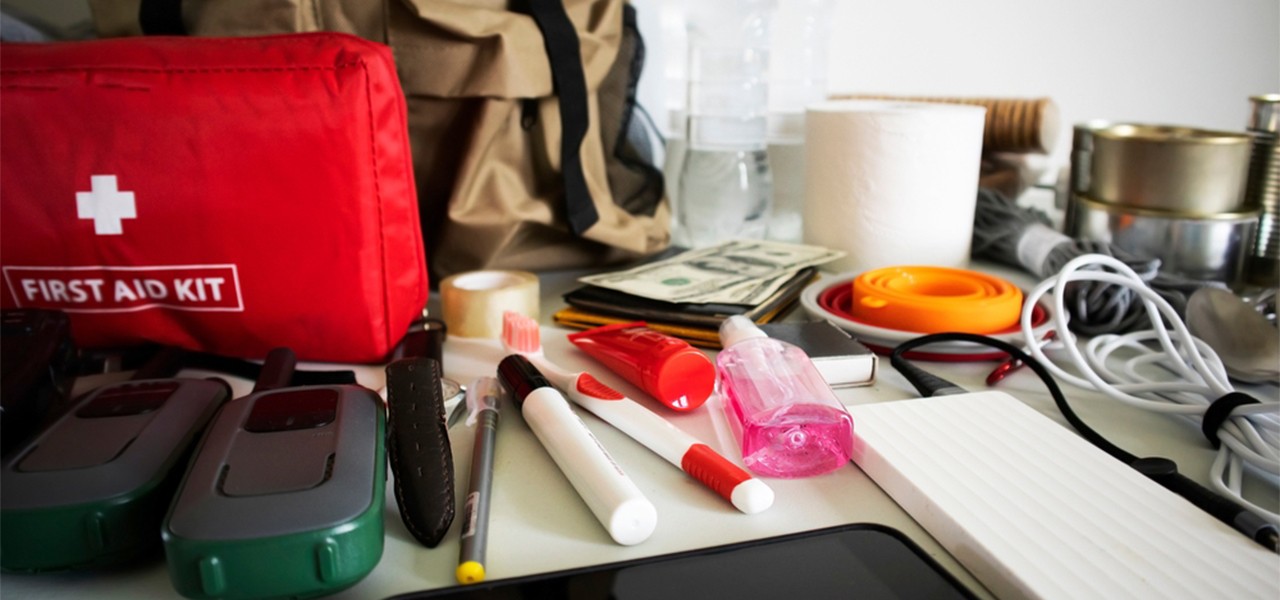
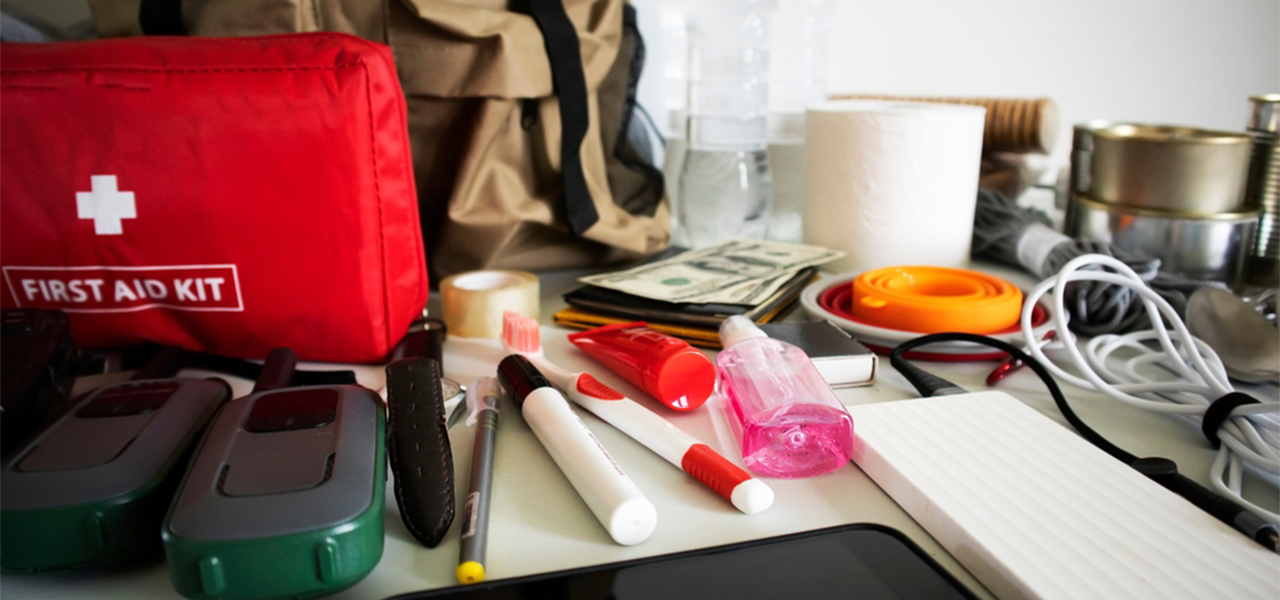
A practical 72-hour kit includes more than food and water. The following items are commonly recommended by emergency preparedness organizations:
- A flashlight for each household, with spare batteries where suitable
- A battery-powered or hand-crank radio for official news and weather updates
- Charged power banks and appropriate charging cables
- A first-aid kit and essential personal medical supplies
- Hygiene items, including soap, toilet paper, hand sanitizer, menstrual products, and wet wipes
- A manual can opener, basic utensils, and paper plates or cups if water access is limited
- Warm layers, blankets, rainwear, and sturdy footwear appropriate to the local climate
- Copies of important documents, stored safely in a waterproof pouch
- Some cash in small denominations, as card terminals and cash machines may not be available
- Whistles, face masks where appropriate, and basic tools such as a wrench or pliers
Keep supplies in a place that is easy to reach. Some households use a clearly labeled cupboard or storage box, while others prepare a portable bag in case evacuation becomes necessary. The best solution is one that fits the household’s space, budget, and likely local hazards.
Preparing for Children, Pets, and Other Household Members
Emergency supplies should reflect the people and animals who depend on them. Families with babies and young children may need formula, bottles, baby food, diapers, wipes, comfort items, and child-specific medication. Including a small activity book, toy, or familiar object can help children feel calmer during a stressful interruption.
Pets also need a dedicated plan. The American Red Cross and other preparedness groups advise keeping enough pet food and water for several days, along with medication, a leash, carrier, identification information, vaccination records, and waste supplies. Families should identify pet-friendly places to stay in advance because not every emergency shelter accepts animals.
Consider the needs of every person who may be in the home, including visitors, relatives, or neighbors who could need temporary assistance. Planning should not assume that everyone can travel easily, read alerts online, hear alarms, or use stairs during an evacuation.
Create a Household Communication and Evacuation Plan
Supplies are important, but a household emergency plan can be equally valuable. Family members should know how to contact one another, where to meet if separated, and who to call if local phone networks are unreliable. It may be useful to choose an out-of-area contact person, since long-distance calls or messages can sometimes work when local systems are congested.
Write down key phone numbers rather than relying only on mobile devices. Keep contact details for relatives, schools, employers, medical providers, insurance companies, utility companies, and local emergency services. Store copies in the emergency kit and make sure responsible family members know where they are.
Learn the safest routes away from home and identify more than one meeting point. One location can be close to the home for a localized incident, while another can be outside the neighborhood in case the area is inaccessible. Review local evacuation guidance, especially if you live near flood zones, wildfire-prone areas, coastlines, or other locations with known hazards.
If it is safe and you have been instructed to do so, learn how to turn off household utilities. Do not attempt to shut off gas, electricity, or water unless you understand the procedure and it is necessary. Utility companies and local emergency authorities can provide guidance for your area.
Stay Informed Through Trusted Official Channels
During an emergency, accurate information matters. Follow local government, emergency management agencies, weather services, public-health departments, and utility providers. Many regions offer emergency text alerts, weather notifications, flood warnings, and evacuation updates that residents can sign up to receive in advance.
It is important to avoid sharing unverified claims on social media. False reports can cause confusion and may distract from urgent public-safety messages. Check information against official sources, especially before making decisions about evacuation, water safety, school closures, road conditions, or medical care.
Preparedness is most effective when it is calm, practical, and based on credible advice. Building a kit gradually, reviewing it once or twice a year, and talking through a simple family plan are manageable steps that can make a meaningful difference.
Emergency Preparedness Is a Practical Community Responsibility
A 72-hour emergency supply is not a prediction that a disaster will occur. It is a sensible precaution similar to keeping a first-aid kit, maintaining home insurance, or knowing the location of fire exits. Most people will never need every item in their kit, but preparation can provide reassurance and reduce avoidable hardship when services are interrupted.
Community preparedness also includes checking on people who may need extra help. Neighbors can share information, offer practical assistance, and help ensure that older adults, disabled residents, and people without reliable transportation are not overlooked. Small acts of planning and cooperation can strengthen resilience across an entire neighborhood.
Start with the essentials: water, food, medication, communication tools, and a plan for the people and pets in your care. Add items over time as your budget allows, and adjust your kit for the risks most relevant to where you live. The goal is not to stockpile excessively, but to be ready to manage the first critical days of an unexpected disruption safely and responsibly.
Sources
Disclaimer: This content is intended for entertainment purposes only and is not based on real events.