

White Chocolate Bloom: Why Old Chocolate Can Look Alarming
Finding pale, broken pieces on a bedroom floor can be unsettling, particularly when their appearance does not immediately match a familiar food. Small household discoveries often invite quick assumptions: a child may have brought home something unsafe, a package may have been hidden, or an unfamiliar substance may have been left within reach. In many cases, however, an alarming-looking fragment has a far more ordinary explanation.
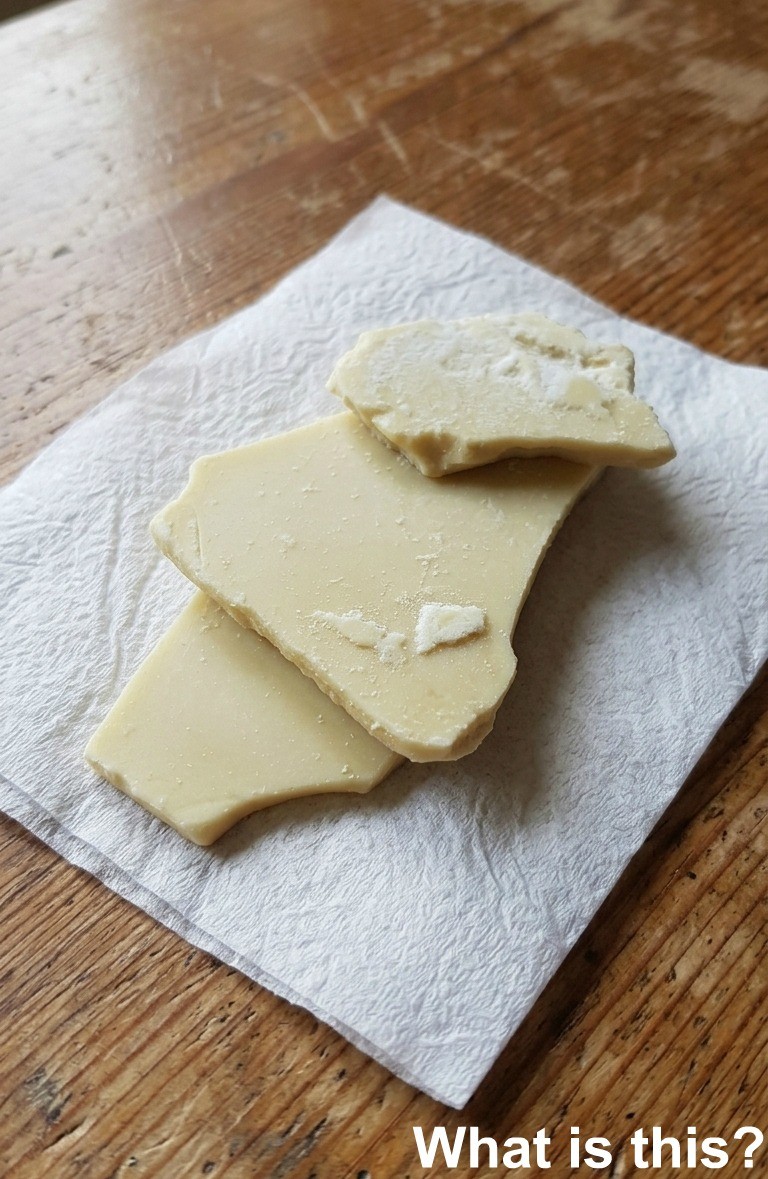
That was the case with a scattering of light-colored pieces found in dust on the floor. At first glance, the fragments looked dry, chalky, and unusual. Their powdery surface made them seem unlike fresh candy or a recognizable snack. After a closer look and a familiar sweet scent, the answer became clear: the pieces were old white chocolate. They had broken apart and developed the pale film commonly known as chocolate bloom.
The experience is a useful reminder that food can change in appearance during storage without necessarily becoming dangerous. White chocolate bloom can look dramatic, especially against creamy-colored chocolate, but it is generally a quality issue rather than a sign of a chemical substance or contamination. Understanding what bloom is, why it happens, and when chocolate should be discarded can help households respond calmly and safely.
Why White Chocolate Can Look Different Over Time
White chocolate has a distinctive composition. Unlike dark or milk chocolate, it does not contain cocoa solids, the brown components that give conventional chocolate its deeper color and characteristic cocoa flavor. Instead, white chocolate is typically made with cocoa butter, sugar, milk ingredients, and flavoring such as vanilla. In the United States, products labeled as white chocolate must meet standards set by the Food and Drug Administration, including a minimum cocoa butter content.
Because cocoa butter is naturally pale and contains several types of fat crystals, white chocolate can show visible changes when it is exposed to heat, humidity, or fluctuating storage conditions. A once-smooth surface may develop whitish streaks, speckles, or a dusty-looking coating. It may also lose its glossy finish and become more crumbly or less pleasant to eat.
These changes are usually referred to as bloom. The word can sound concerning, but chocolate bloom is not the same as microbial growth. It describes a physical change in the ingredients or surface of the chocolate. It may affect texture and appearance, yet it does not automatically mean that the chocolate is unsafe.
What Is Chocolate Bloom?
There are two commonly discussed forms of bloom: fat bloom and sugar bloom. Both can make chocolate look pale or streaky, although they arise in different ways.
Fat Bloom
Fat bloom occurs when cocoa butter migrates through the chocolate and recrystallizes on the surface. This can happen after the chocolate has warmed and cooled repeatedly, such as when it is stored near a heat source, transported in hot weather, or moved in and out of a refrigerator. The bloom may appear as a grayish or whitish haze, streaks, or uneven patches.
White chocolate can be especially prone to noticeable fat bloom because cocoa butter is a central ingredient and the chocolate is already light in color. The coating may make the product look dry or old, but it is generally considered harmless. The main impact is often sensory: the chocolate may feel less smooth as it melts and may not look appealing enough for gifts, baking decorations, or professional presentation.
Sugar Bloom
Sugar bloom is associated with moisture. When condensation forms on chocolate, water can dissolve some sugar at the surface. Once that moisture evaporates, the sugar can recrystallize, leaving a rough, pale, grainy coating. Refrigerating chocolate in a way that exposes it to humid air can contribute to this process.
Like fat bloom, sugar bloom is primarily a quality problem. The chocolate may taste grainy or feel rough rather than creamy. Properly stored chocolate is less likely to develop either type of bloom, although even carefully kept chocolate can eventually show age-related changes.
A Startling Discovery With an Ordinary Explanation
The initial reaction to unfamiliar fragments in a family home is understandable. Parents and caregivers are often alert to possible risks, especially when children or teenagers are involved. Pale, broken pieces covered with a white film may not instantly resemble a recognizable chocolate bar. When the mind is trying to protect loved ones, it can quickly move toward worst-case explanations.
In this instance, the simple clue was scent. The faint sweetness of white chocolate helped identify the pieces as a forgotten snack rather than an unknown household substance. The discovery brought a sense of relief and, eventually, humor: ordinary crumbs had briefly become something much more ominous in the imagination.
The episode also illustrates why it is helpful to pause before drawing conclusions about an unfamiliar item. Visual appearance alone is not always reliable. Food can dry out, melt, discolor, bloom, or break down in ways that obscure what it originally was. At the same time, caution remains appropriate. If a substance cannot be identified with confidence, adults should keep children and pets away from it and seek advice from a local poison control center or another qualified authority when exposure is suspected.
Is Bloomed White Chocolate Safe to Eat?
Chocolate with fat bloom or sugar bloom is usually safe to eat when it has been stored reasonably well, remains within an appropriate use-by timeframe, and does not show signs of contamination. Bloom itself is not mold, and it does not mean the chocolate has become toxic. However, safe food decisions should take the full condition of the product into account.
Before eating old chocolate, consider its smell, packaging, storage history, and visible condition. A normal sweet, chocolate-like aroma is reassuring, while an unpleasant or rancid smell may indicate that fats have deteriorated. Chocolate that has been exposed to dirt, pests, water, or other contaminants should be discarded. The same applies to pieces found on a dusty floor, even if they can be identified as chocolate: food that has been on the floor is not a good choice to eat.
Visible fuzzy growth, unexpected colored spots, or signs of insect activity are different from ordinary bloom and should not be ignored. While chocolate’s low moisture content makes it less hospitable to many microorganisms than fresh foods, damaged packaging and poor storage can still create problems. When there is uncertainty about what a food item is or whether it was stored safely, disposal is the cautious option.
How to Store White Chocolate to Reduce Bloom
Good storage can preserve the smooth texture and appearance of white chocolate for longer. Chocolate generally does best in a cool, dry, dark environment with stable temperatures. Many confectionery experts recommend storing it away from direct sunlight, ovens, radiators, and humid areas such as sinks or dishwashers.
An airtight container can help protect chocolate from humidity and from absorbing odors from nearby foods. Chocolate contains fat, which can take on strong aromas from items such as onions, spices, or fragranced products. Keeping unopened bars in their original wrapping and placing opened chocolate in a sealed container can reduce these issues.
Refrigeration is not always necessary for chocolate and can increase the risk of condensation if it is removed into warm, humid air. In very hot climates, refrigeration may be practical, but the chocolate should be wrapped securely. Letting the container return gradually to room temperature before opening it can help limit moisture exposure on the surface.
Temperature stability matters. Repeated melting and cooling encourages fat bloom, while moisture encourages sugar bloom. For households, this means avoiding storage places that become hot during the day and cool sharply overnight. A cupboard away from appliances is often a better choice than a windowsill, car, garage, or shelf above a stove.
Food Appearance, Food Safety, and Family Communication
The story of bloomed white chocolate also reflects a broader reality of family life: food can travel. A snack may be carried into a bedroom, slipped into a backpack, forgotten in a pocket, or left behind during a busy day. When it is discovered later, it may no longer look like the product that came out of the wrapper.
Rather than treating every forgotten snack as a major incident, families can use moments like these to have practical conversations about food storage, cleaning up after eating, and keeping shared spaces safe for younger children and pets. A calm approach is often more productive than embarrassment or blame. Children benefit from knowing why old food can become unappealing, why items should not be eaten after being found on the floor, and why they should tell an adult if they encounter something they do not recognize.
Public health guidance similarly emphasizes prevention: store food properly, keep living spaces clean, and avoid consuming items that may have been contaminated. These basic habits reduce waste while supporting a safer home environment. They also make future mysteries less likely to arise from a forgotten candy bar under a bed.
When to Seek Expert Advice
Most cases of chocolate bloom do not require medical attention. Nevertheless, people should seek professional guidance when an unknown substance may have been swallowed, when a child or pet has symptoms after possible exposure, or when there is no reliable way to identify an item. In the United States, Poison Control can provide confidential advice by phone or online. Emergency services should be contacted for serious symptoms or an immediate emergency.
It is important not to rely on internet images alone to identify an unknown substance. Many materials can look similar after becoming damp, crushed, or coated in dust. Keeping the item or its packaging, if available, can help professionals provide better guidance. Avoid tasting an unknown material in an attempt to identify it.
Conclusion: A Pale Coating Is Often Just a Quality Change
White chocolate with a chalky or pale surface can appear strange, especially when found in an unexpected place. Yet chocolate bloom has a straightforward scientific explanation. Changes in cocoa butter crystals or surface sugar can alter the look and texture of chocolate without automatically making it unsafe.
In the end, the mysterious fragments were not evidence of a hidden danger. They were forgotten white chocolate, changed by time and storage conditions. The moment of alarm gave way to relief, a little laughter, and a useful household lesson: appearances can be misleading, but careful observation, sensible food-safety habits, and reliable expert guidance can bring clarity.
Sources
Disclaimer: This content is intended for entertainment purposes only and is not based on real events.