

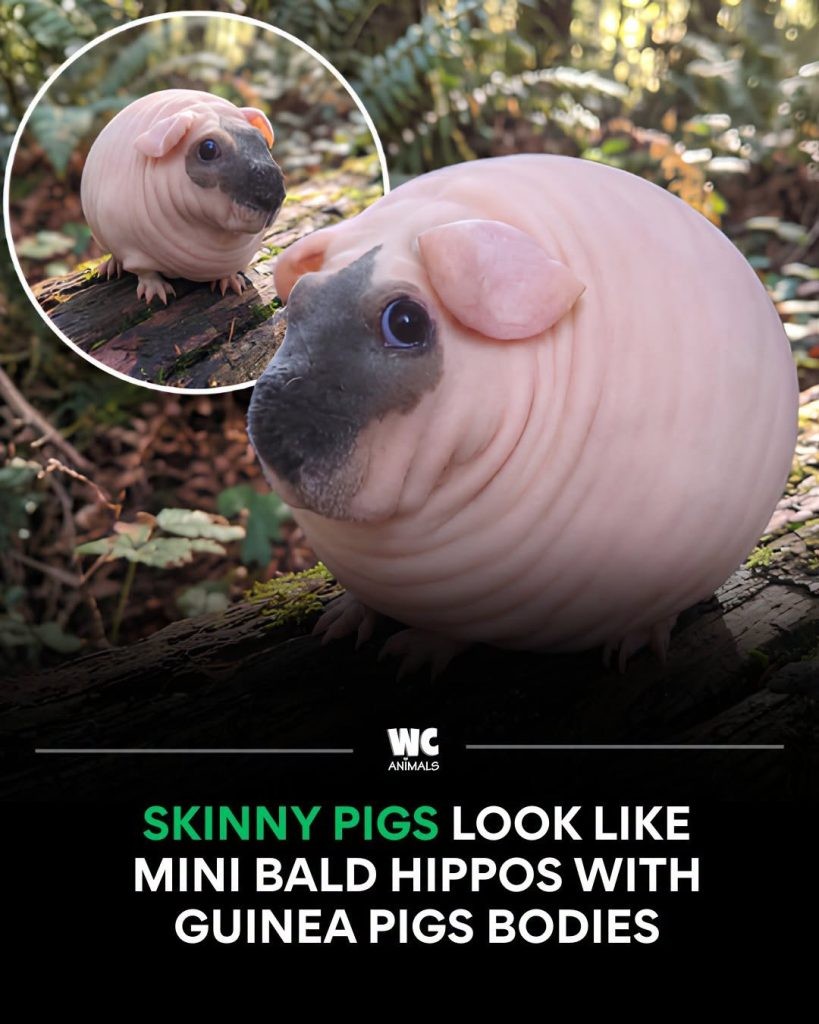
Skinny Pig: Care, Diet, History and What Makes This Hairless Guinea Pig Unique
The Skinny Pig is one of the most distinctive varieties of domestic guinea pig. With its round body, short legs, large ears, wrinkled skin and little to no fur, this small companion animal is often compared online to a miniature hippopotamus. The comparison is lighthearted, but it reflects the animal’s memorable appearance: a compact, expressive guinea pig with exposed skin rather than a soft coat.
Although Skinny Pigs may look unusual to people familiar with traditional fluffy guinea pigs, they are still domestic guinea pigs. They share the same species, Cavia porcellus, as their furry relatives and display many of the same social and behavioral traits. They can squeak, whistle, explore their surroundings, form bonds with compatible guinea pig companions and become familiar with gentle, consistent human care.
However, the lack of a full coat creates important welfare considerations. Fur normally provides some protection from cooler temperatures, sunlight and minor irritation from the environment. A Skinny Pig’s exposed skin means that owners need to pay especially close attention to housing, bedding, diet, hygiene and veterinary care. Their unusual appearance can make them appealing, but responsible ownership requires understanding their needs before bringing one home.
What Is a Skinny Pig?
A Skinny Pig is a nearly hairless variety of domestic guinea pig. Most have bare skin across much of the body, although many have small areas of fur on the nose, feet or legs. Their skin can be pink, black, brown, grey, cream, mottled or multicolored. Wrinkles are often visible around the neck, shoulders and legs, especially when the animal is young or relaxed.
Not every hairless guinea pig looks identical. Some have more visible fuzz than others, and skin color patterns vary widely. Their appearance is influenced by genetics, just as coat color and hair texture are in other guinea pig varieties. Despite popular descriptions, they are not a separate species, nor are they related to hippopotamuses. They are simply guinea pigs with a genetic trait affecting hair growth.
Like other guinea pigs, Skinny Pigs are herbivorous, social animals. They communicate with a range of sounds, including wheeks, purr-like vocalizations and quieter noises used during exploration or interaction. Individual personalities differ. Some may be bold and food-motivated, while others need more time and patient handling before becoming comfortable with people.
The History of Hairless Guinea Pigs
The modern Skinny Pig has roots in hairless guinea pigs identified in research settings in Canada during the late 1970s. These animals were associated with a naturally occurring genetic mutation affecting hair development. Over time, hairless guinea pigs were bred into domestic companion-animal lines, leading to the variety now commonly known as the Skinny Pig.
There is sometimes confusion between Skinny Pigs and other hairless guinea pig types, particularly the Baldwin guinea pig. Both are nearly hairless, but the genetics and hair patterns differ. Skinny Pigs commonly retain some hair around the face and feet, while Baldwins are typically born with fur that is lost as they mature. For prospective owners, the distinction matters less than understanding the practical commitment involved in caring for any hairless guinea pig.
The growing popularity of Skinny Pigs on social media has introduced many people to the breed. Their distinctive faces and rounded bodies are easy to recognize in photographs and videos. Yet animal welfare organizations consistently emphasize that appearance should not be the main reason to choose a pet. Guinea pigs can live for several years and depend entirely on their caregivers for nutrition, companionship, housing and medical attention.
Why Skinny Pigs Need Special Care
A guinea pig’s coat is more than decoration. Fur contributes to insulation and provides a degree of protection from direct contact with surfaces and environmental changes. Because Skinny Pigs have very little fur, they can be more vulnerable to cold conditions and uncomfortable drafts. Their living area should be kept at a stable, comfortable indoor temperature and away from open windows, air-conditioning vents, radiators and other direct heat sources.
Extreme warmth can also be dangerous for guinea pigs. All guinea pigs may struggle in hot weather, but a Skinny Pig’s exposed skin makes direct sunlight an additional concern. Their enclosure should not be placed in bright sun for long periods, and outdoor time requires careful supervision, appropriate shade and weather awareness. Sunscreen or human skin products should not be applied unless a veterinarian specifically advises it, since products designed for people may be unsafe if licked or absorbed.
Skin protection is another central part of care. Rough, abrasive or damp bedding may irritate the skin. Owners should choose clean, soft, absorbent bedding suitable for small mammals, remove wet areas promptly and clean the enclosure regularly. The best bedding choice can depend on the individual animal and enclosure setup, but strong fragrances, dusty materials and products that cause irritation should be avoided.
Skinny Pigs should also have safe hiding spaces. Guinea pigs are prey animals by nature and often feel more secure when they can retreat into shelters or tunnels. Hideouts should have smooth edges and enough room for the animal to turn around comfortably. A well-designed enclosure includes open space for movement as well as protected areas for rest.
Diet: Hay, Vitamin C and Daily Nutrition
The foundation of a healthy Skinny Pig diet is the same as for other guinea pigs: unlimited good-quality grass hay, fresh water and an appropriate amount of guinea pig pellets fortified with vitamin C. Hay supports digestive health and helps wear down continuously growing teeth. Timothy hay is commonly recommended for healthy adult guinea pigs, while younger, pregnant or nursing animals may have different nutritional needs that should be discussed with a veterinarian.
Guinea pigs cannot produce their own vitamin C, so they must obtain it through their diet. A vitamin C deficiency can cause serious health problems. Fresh leafy vegetables and selected vegetables can help provide this nutrient, while pellets formulated specifically for guinea pigs may contribute as well. Because vitamin C can degrade over time, owners should check pellet storage, freshness and expiration information.
Vegetables should be introduced gradually and offered as part of a balanced diet. Suitable options often include leafy greens and vegetables such as bell pepper, depending on the individual animal’s health needs and a veterinarian’s advice. Fruit is generally best treated as an occasional small treat because of its sugar content. Iceberg lettuce, sugary snacks, processed human foods and mixed feeds containing seeds or colorful sweetened pieces are not ideal staple foods.
Some Skinny Pigs appear to eat more than heavily furred guinea pigs because maintaining body temperature can require energy. However, food intake varies by age, size, activity, environment and health. Rather than guessing, owners should monitor body condition and weight regularly. A sudden reduction in appetite, changes in droppings or unexpected weight loss should be taken seriously, as guinea pigs can become ill quickly when they stop eating.
Social Needs and Everyday Behavior
Guinea pigs are social animals and generally benefit from living with a compatible guinea pig companion. A carefully matched pair or small group can provide opportunities for communication, resting together and natural social behavior. Introductions should be planned thoughtfully, with enough space, duplicate resources and close observation. Not every pairing works immediately, and sex, age, temperament and neutering status can all affect compatibility.
A Skinny Pig should not be housed with rabbits. Although rabbits and guinea pigs are sometimes portrayed together, they have different dietary needs, communication styles and physical strength. Rabbits can unintentionally injure guinea pigs, and they may carry bacteria that can be harmful to them. A guinea pig companion is usually the more appropriate social partner.
Gentle interaction can help a Skinny Pig become comfortable around people. Owners should approach calmly, support the entire body when lifting and avoid sudden movements. Because these animals are small and sensitive, children should always be supervised when interacting with them. Handling should be brief and positive at first, allowing the guinea pig to build confidence over time.
Enrichment is important as well. Safe tunnels, paper bags without handles, hay piles, chew-safe toys and supervised exploration in a secure area can encourage activity and curiosity. Enrichment should not create hazards such as sharp edges, loose threads, gaps where an animal could become trapped or materials that are unsafe to chew.
Skin Care and Grooming for a Skinny Pig
Skinny Pigs do not need coat brushing in the way long-haired guinea pigs do, but their skin still requires observation. Owners should look for redness, dryness, sores, flakes, lumps, scratches or signs of discomfort during routine handling. Skin changes can have several possible causes, including irritation, parasites, fungal infection or underlying health conditions. A qualified veterinarian should assess persistent or worsening symptoms.
Bathing should not become a frequent routine unless it is recommended by a veterinarian. Overbathing can remove natural skin oils and may contribute to dryness or irritation. If cleaning is needed, owners should use a product specifically approved for small animals and ensure the guinea pig is dried thoroughly in a warm, draft-free setting. Human shampoos, scented lotions and essential oils should not be used without veterinary guidance.
Nails need regular checks because overgrown nails can make walking uncomfortable. Teeth and body weight should also be monitored. Weekly weighing with a kitchen scale reserved for pet use can help reveal subtle changes that may not be obvious through appearance alone. Recording weights provides useful information for veterinary appointments.
Health Concerns and Veterinary Care
Skinny Pigs can experience many of the same health concerns seen in other guinea pigs, including dental disease, digestive problems, respiratory illness, urinary issues and vitamin C deficiency. Their exposed skin also makes dermatological concerns especially noticeable. It is important to establish care with a veterinarian experienced in guinea pigs or other small mammals before an emergency occurs.
Prompt veterinary attention is important if a guinea pig stops eating, becomes unusually quiet, has difficulty breathing, develops diarrhea, shows signs of pain, loses weight or has a concerning skin lesion. Guinea pigs are skilled at hiding illness, so small behavioral changes can matter. Owners should not rely on online advice as a substitute for an examination by a qualified veterinary professional.
Routine preventive care can include health checks, discussions about diet and housing, nail trimming advice and assessment of any changes in skin condition. Responsible breeding practices are also important. Prospective owners should seek reputable rescue organizations or breeders who prioritize animal welfare, proper socialization and transparent health information rather than novelty appearance alone.
Is a Skinny Pig the Right Pet?
A Skinny Pig can be a rewarding companion for a prepared household. They are engaging, expressive animals, and many owners appreciate their affectionate behavior and unmistakable appearance. However, they are not low-maintenance pets. Their need for stable temperatures, clean bedding, daily feeding, social companionship and specialized veterinary care should be considered carefully.
Before adopting a Skinny Pig, prospective owners should consider the cost of a spacious enclosure, hay, fresh vegetables, quality pellets, bedding, veterinary visits and possible emergency treatment. They should also be prepared for daily cleaning tasks and a long-term commitment. Adoption from a rescue organization may be an especially valuable option for people ready to provide suitable care.
The appeal of the Skinny Pig goes beyond its miniature-hippo resemblance. This is a sensitive, social guinea pig with specific physical needs and a personality of its own. With informed care, a balanced diet, suitable companionship and reliable veterinary support, a Skinny Pig can live safely and comfortably as part of a responsible household.
Sources
Disclaimer: This content is intended for entertainment purposes only and is not based on real events.