

Silverfish: A Sign of Moisture in the Home
Seeing a small, silvery insect move quickly across a bathroom floor, basement wall, or kitchen cabinet can be unsettling. These insects are commonly known as silverfish, and they are among the household pests most often noticed at night. Their rapid, wriggling movement and tendency to disappear into narrow cracks can make a single sighting feel more serious than it may be.
Silverfish are generally not dangerous to people or pets. They do not bite or sting, and they are not known to spread diseases to humans. However, they can become a frustrating household issue because they favor damp, sheltered spaces and may damage certain stored materials over time. Their presence can also draw attention to excess indoor humidity, plumbing leaks, poor ventilation, or cluttered storage areas that provide food and hiding places.
Understanding why silverfish appear, what they eat, and how they behave can help homeowners respond calmly and effectively. In most cases, long-term silverfish prevention depends less on immediately using pesticides and more on making the home drier, cleaner, and less hospitable to pests.
What Are Silverfish?
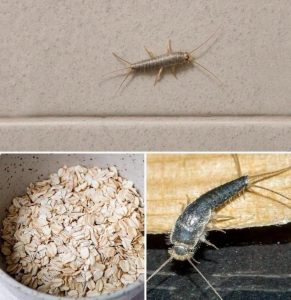
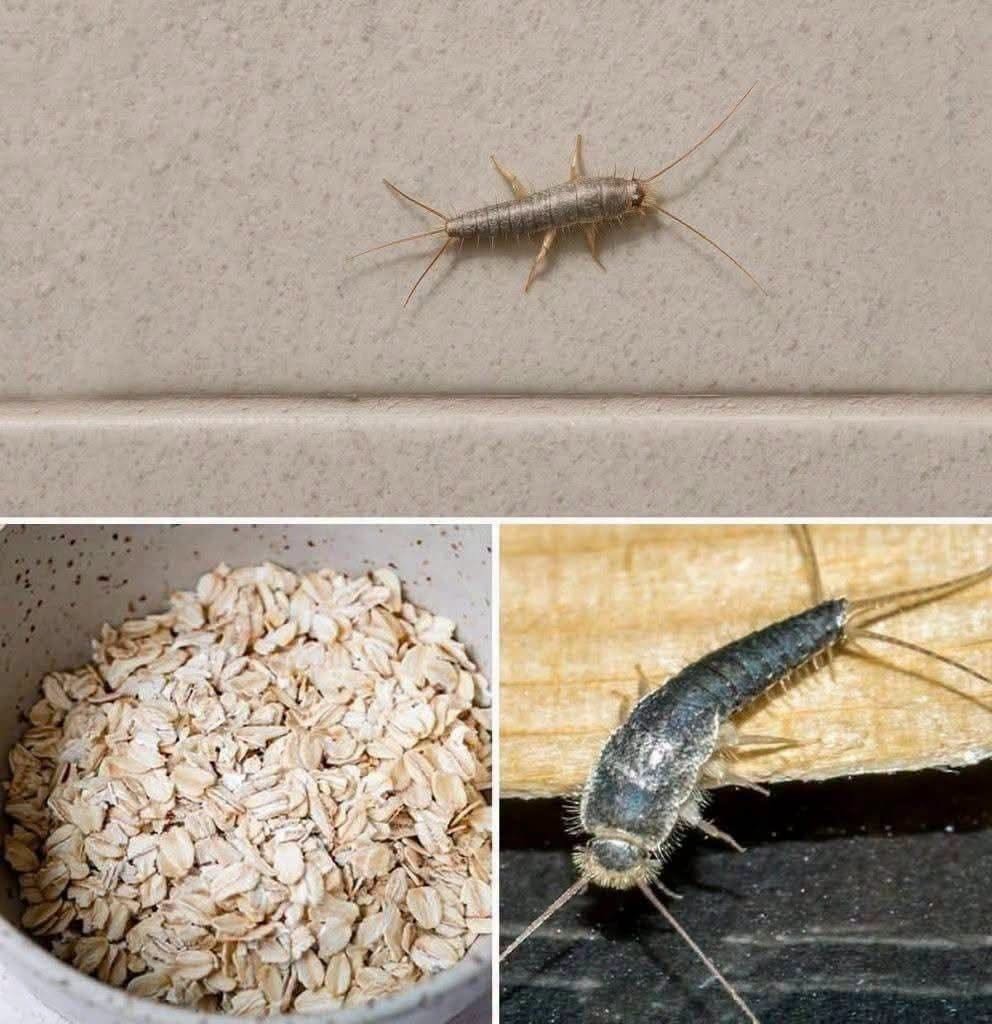
Silverfish are small, wingless insects with flattened, teardrop-shaped bodies. Adults are usually gray or bluish-silver, with a reflective appearance that gives them their familiar name. They have long antennae at the front of the body and three tail-like bristles at the rear. Their movement is often described as fish-like because they move rapidly in a side-to-side, wriggling pattern.
These insects belong to an ancient group of insects and are well adapted to living in dark, protected environments. Silverfish are nocturnal, meaning they are most active after dark. This is why many people first notice them when switching on a bathroom or kitchen light at night.
Although they may be found indoors throughout the year, silverfish are especially likely to survive and reproduce in areas with high humidity. Bathrooms, laundry rooms, basements, crawl spaces, utility closets, kitchens, and rooms near plumbing fixtures are common locations. They may also live behind baseboards, beneath flooring, in wall voids, around drains, inside cardboard boxes, or among stacks of stored papers.
Why Silverfish Enter Homes
Silverfish need moisture and shelter, which is why indoor humidity is one of the most important factors linked to their presence. They may enter through small gaps around doors, windows, foundations, utility lines, or vents. In other cases, they may be carried indoors in cardboard boxes, books, paper products, or stored belongings.
Once inside, silverfish are drawn to places where they can remain hidden and find materials containing starches, sugars, proteins, or carbohydrates. A humid basement with old books and cardboard storage boxes, for example, can offer both the moisture and food sources they need. A bathroom with poor ventilation or a kitchen cabinet near a leaking pipe may provide similar conditions.
A silverfish sighting does not automatically mean a home has a major infestation. One insect may have wandered indoors or emerged from a nearby hiding place. Repeated sightings, however, can suggest that suitable conditions exist nearby. Finding shed skins, yellowish stains, small irregular holes in paper goods, or insects in several rooms may indicate a more established population.
Are Silverfish Harmful to People or Pets?
Silverfish are considered nuisance pests rather than a direct health threat. According to pest-management guidance from university extension programs, silverfish do not bite people, sting, or transmit disease. They are not venomous, and they are not known to infest human bodies or pets.
For most households, the primary concern is property damage rather than personal safety. Silverfish can feed on items that contain starch, cellulose, glue, or other organic materials. Their feeding may affect books, wallpaper paste, photographs, paper records, envelopes, cardboard, clothing made with natural fibers, and some stored foods.
The risk of significant damage is typically greater when silverfish have been present for an extended period in a humid, undisturbed storage area. Valuable documents, family photographs, rare books, and textiles should be kept in clean, dry conditions and checked periodically if silverfish are being seen in the home.
What Do Silverfish Eat?
Silverfish have a broad diet, particularly when living indoors. They are attracted to carbohydrates and can consume starch-based materials found in many everyday household products. Common food sources include paper, book bindings, wallpaper adhesive, cardboard, flour, cereal residue, pasta, pet food, and crumbs in cupboards or pantries.
They may also feed on dead insects, shed skins, glue, cotton, linen, silk, and some synthetic fabrics if those items contain finishes or residues they can consume. This flexible diet helps explain why silverfish can survive in storage rooms and other areas where obvious food spills are not present.
Good housekeeping can reduce available food sources. Vacuuming regularly, wiping crumbs from cabinets, storing dry foods in sealed containers, and limiting unnecessary cardboard storage can all make a home less attractive to silverfish. These measures are most effective when combined with moisture control.
Signs of a Silverfish Problem
Because silverfish hide during the day, they can remain unnoticed for some time. A homeowner may first spot an insect running across a sink, floor, shelf, or wall after dark. While an occasional sighting may not be cause for alarm, several signs can point to a continuing issue.
- Repeated sightings in bathrooms, basements, kitchens, laundry rooms, or closets.
- Silverfish appearing in multiple parts of the home.
- Shed skins in dark corners, cabinets, storage boxes, or along baseboards.
- Small irregular holes, notches, or surface damage on paper, books, wallpaper, or fabrics.
- Yellowish staining on paper, textiles, or stored materials.
- Persistent dampness, condensation, plumbing leaks, or a musty smell in the affected area.
These signs should also prompt a broader inspection for moisture problems. Persistent dampness can contribute to a range of household concerns, including damage to building materials and the growth of mold. Addressing moisture early is therefore useful for both pest prevention and general home maintenance.
How to Prevent Silverfish by Reducing Moisture
The most effective long-term approach to silverfish control is to reduce the damp, protected conditions they prefer. The United States Environmental Protection Agency advises controlling moisture indoors as an important part of maintaining a healthy home environment. For silverfish prevention, this often means identifying where humidity or water is entering and correcting the cause.
Start by checking for leaking pipes beneath sinks, around toilets, behind washing machines, near water heaters, and in basement utility areas. Repairing leaks promptly removes a dependable source of moisture. It is also important to inspect roofs, gutters, foundation drainage, and window seals if water enters the home after rain.
Ventilation matters as well. Use bathroom exhaust fans during showers and for a period afterward, and make sure kitchen ventilation is functioning when cooking produces steam. Clothes dryers should vent outdoors rather than into enclosed spaces. In humid climates or naturally damp basements, a properly sized dehumidifier may help lower indoor moisture levels.
Homeowners can use a hygrometer to monitor relative humidity. Many public health and environmental organizations recommend maintaining indoor humidity at a moderate level, often between about 30% and 50%, when practical. The appropriate setting can vary by climate and season, but avoiding consistently damp indoor air is a sensible target.
Cleaning and Storage Practices That Help Control Silverfish
Dry conditions alone may not eliminate every silverfish, particularly if the insects already have access to food and hiding places. Cleaning and storage improvements can make a major difference over time.
Vacuum floors, edges of carpets, closet corners, baseboards, and gaps behind furniture regularly. Pay particular attention to rooms where paper, fabrics, pet food, or dry pantry products are stored. Removing dust, hair, crumbs, and dead insects reduces possible food sources.
Cardboard boxes can retain moisture and offer sheltered spaces for silverfish. When possible, store seasonal belongings, documents, and textiles in sealed plastic or glass containers rather than loose cardboard. Important papers and photographs should be kept in dry, archival-quality storage materials when preservation is a priority.
Pantry staples such as flour, cereal, rice, and pet food are best stored in tightly sealed containers. Clean spills promptly, including crumbs inside drawers and cabinets. Reducing clutter can also help because stacks of paper, magazines, boxes, and fabric create quiet, dark areas where pests can remain undisturbed.
Sealing Entry Points and Hiding Places
Silverfish can move through very small gaps. Sealing cracks is therefore a useful part of an integrated pest-management plan. Inspect gaps around baseboards, pipes, electrical outlets, window frames, door frames, vents, and areas where utility lines enter the building.
Caulk can be used to close small cracks and crevices in appropriate areas, while weatherstripping may help around doors and windows. Repair damaged screens and make sure exterior doors close tightly. These improvements may also help reduce entry by other common household pests.
Inside the home, avoid leaving piles of paper or clothing directly on basement floors. If storage is necessary, place containers on shelves or raised platforms where air can circulate. Keeping storage areas orderly makes it easier to inspect for moisture, pests, and damage.
When to Use Traps or Contact a Pest Professional
Sticky traps placed along walls, behind appliances, near sinks, and in closets can help confirm where silverfish are active. These traps do not solve a moisture problem, but they can be useful for monitoring whether activity is decreasing after cleaning, repairs, and dehumidification.
If silverfish remain common despite moisture control and sanitation efforts, a licensed pest-management professional can inspect the property. A professional may identify hidden water sources, construction gaps, or pest harborages that are difficult to find without experience. They can also recommend targeted treatment options that follow local regulations and product-label instructions.
Insecticides should not be the first or only response. Chemical treatments are generally more effective when combined with efforts to remove moisture, food sources, and hiding places. Always follow product labels carefully, keep pest-control products away from children and pets, and consider non-chemical measures first where appropriate.
Silverfish Are More of a Warning Sign Than a Threat
Silverfish can be unpleasant to find, but they are usually a manageable household pest. Their appearance often points to conditions that deserve attention: high humidity, a slow leak, insufficient ventilation, cluttered storage, or accessible paper and food materials. Addressing those conditions can reduce silverfish activity while also improving the condition of the home.
A single silverfish does not necessarily indicate a severe infestation. Still, repeated sightings are a practical reason to inspect damp areas, repair water problems, and improve storage habits. With consistent moisture control, regular cleaning, sealed food containers, and fewer sheltered hiding places, most homes can become far less welcoming to silverfish.
Sources
- University of California Agriculture and Natural Resources: Silverfish and Firebrats Pest Notes
- Penn State Extension: Silverfish and Firebrats
- United States Environmental Protection Agency: A Brief Guide to Mold, Moisture and Your Home
- Centers for Disease Control and Prevention: Mold and Your Health
- University of Minnesota Extension: Silverfish and Firebrats
Disclaimer: This content is intended for entertainment purposes only and is not based on real events.