


Why Do Padlocks Have Tiny Holes at the Bottom?
Small holes on the underside of a padlock can look like an unimportant part of the manufacturing process. In many cases, however, they are deliberate design features intended to help the lock cope with moisture, dirt, changing weather, and routine maintenance. For padlocks used outdoors, these small openings may contribute to reliability and a longer service life.
The Main Purpose of Holes in the Bottom of a Padlock
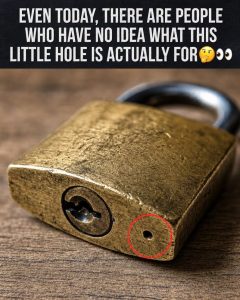
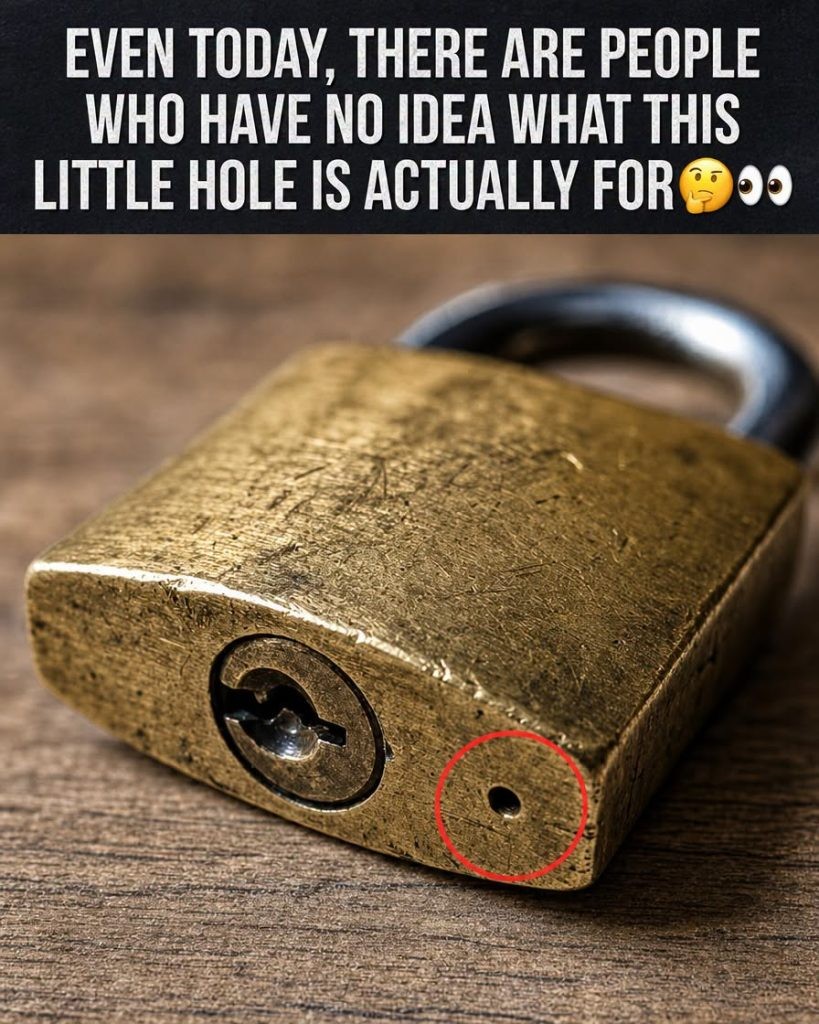
Many padlocks contain a small opening on the bottom or lower side of the body. Depending on the model, this hole may function as a drainage point, a maintenance port, a manufacturing access point, or a combination of these purposes. Its exact role is determined by the lock’s internal construction and the manufacturer’s specifications.
The most common practical explanation is moisture management. Outdoor padlocks are often installed on gates, sheds, storage units, fences, toolboxes, trailers, lockers, and utility enclosures. These locations can expose a lock to rain, snow, condensation, humidity, dust, and temperature fluctuations. Even a relatively well-designed lock may allow some moisture to enter through gaps around the shackle, keyway, seams, or moving components.
If water remains trapped inside the lock body, it can affect the metal parts that make the locking mechanism work. A small opening at the lowest point of the housing can give water a route to escape rather than collect inside the lock. This is especially useful when a lock is mounted vertically and exposed to repeated wet weather.
How Drainage Holes Help Prevent Moisture Damage
Water and metal do not always create an immediate problem, but prolonged moisture exposure can contribute to corrosion. Corrosion is a natural electrochemical process that can occur when metal reacts with oxygen and moisture. In a padlock, corrosion may develop on the shackle, springs, pins, tumblers, locking balls, or other internal pieces.
Over time, corrosion can make a padlock harder to operate. A key may become difficult to insert or turn, the shackle may not release smoothly, or the lock may feel stiff after exposure to cold or wet conditions. In more advanced cases, the internal mechanism can seize entirely.
Drainage holes cannot make a lock completely waterproof, nor can they eliminate all corrosion risk. Their value is more straightforward: they can reduce the amount of standing water retained in the body of the lock. By allowing water to drain after rain or condensation, the design may help the internal components dry more effectively.
This simple feature is particularly relevant for locks that remain outside year-round. A padlock on a garden gate may face daily dew, rainstorms, direct sunlight, and overnight temperature drops. In colder climates, trapped water can also freeze. Repeated freezing and thawing may put additional stress on moving parts and make a lock less convenient to use.
Some Openings Are Designed for Lock Maintenance
On certain padlocks, a small hole may also serve as a maintenance access point. Manufacturers may design an opening so users can apply a suitable lock lubricant to internal moving parts. Proper lubrication can reduce friction, help displace moisture, and support smoother key and shackle operation.
It is important not to assume that every small hole is intended for lubricant. Some openings are primarily for drainage, while others may be related to assembly, machining, or the lock’s particular mechanism. Product documentation, manufacturer support pages, and packaging instructions are the most reliable sources for determining how a specific padlock should be maintained.
When maintenance is recommended, the type of lubricant matters. Lock manufacturers commonly advise using products formulated for locks, such as dry lubricants or specialized lock lubricants. These products are designed to work around fine components without leaving a heavy, sticky residue.
General-purpose oils may temporarily free a stiff mechanism, but they can also collect dust, grit, and other debris over time. Cooking oils and household sprays are not appropriate for lock maintenance because they can leave residue and may worsen sticking as dirt accumulates. If a lock manufacturer gives specific care instructions, those instructions should take priority.
Why Outdoor Padlocks Need Extra Protection
Not all padlocks are built for the same environment. A basic indoor lock used on a school locker or gym locker may not need the same weather resistance as a lock securing a gate, boat storage compartment, or outdoor equipment cabinet. Selecting the right lock for the setting is often more important than trying to maintain an unsuitable model after it begins to corrode.
Weather-resistant padlocks may use materials and features intended to improve performance outdoors. Depending on the product, these can include brass bodies, laminated steel with protective coatings, stainless-steel shackles, plastic or rubber protective covers, covered keyways, sealed mechanisms, and rust-resistant internal components.
Brass is commonly used in many padlock bodies because it has useful corrosion-resistant properties. Stainless steel is also widely valued for outdoor applications, although its performance depends on the specific grade, finish, surrounding environment, and maintenance. Locks near coastal areas may require particular attention because salt in the air can accelerate corrosion on many materials.
A weather-resistant design does not mean that a lock will never need cleaning or lubrication. It means the product is generally better suited to exposure. Regular inspection remains a sensible practice, especially for locks used to secure property that is important or difficult to access.
How to Maintain a Padlock Safely and Effectively
Basic maintenance can help a padlock remain easier to use and may reveal early signs of wear. The process does not need to be complicated, but it should be consistent with the manufacturer’s recommendations.
- Inspect the lock regularly. Check the shackle, keyway, body, and mounting point for visible rust, dirt, cracks, or signs that the lock is no longer operating smoothly.
- Remove surface debris. Wipe away mud, dust, cobwebs, salt residue, and other material that can hold moisture against the lock. A clean, dry cloth is usually sufficient for routine exterior cleaning.
- Keep the keyway clear. Avoid inserting dirty or damaged keys. Debris carried into the keyway can interfere with the internal pins or tumblers.
- Use an appropriate lubricant if needed. Apply only a small amount of a manufacturer-approved or lock-specific lubricant. Excess product can attract debris or migrate to areas where it is not useful.
- Operate the lock periodically. A padlock that remains untouched for long periods may be more likely to become stiff. Opening and closing it occasionally can help identify problems before access is urgently needed.
- Replace unreliable locks. If a lock repeatedly sticks, shows major corrosion, has a damaged shackle, or cannot be operated dependably, replacement is usually the safer and more practical option.
Users should avoid forcing a key or shackle. Excessive force can damage the key, bend internal components, or leave the lock stuck in a closed position. If a lock is difficult to open and it protects essential equipment or property, consulting the manufacturer or a qualified locksmith may be appropriate.
Drainage Holes Are Not a Universal Feature
Although many people notice holes at the bottom of padlocks, not every padlock has one, and not every opening has the same job. Higher-security padlocks, disc locks, combination locks, smart locks, and specialty industrial locks can use very different designs. Some models rely on sealed or enclosed housings rather than visible drainage ports. Others place maintenance access points in less obvious locations.
The presence of a hole should therefore not be treated as a universal sign that a lock is waterproof, easy to lubricate, or intended for outdoor use. It is only one aspect of a larger engineering design. Material quality, construction method, shackle design, cylinder protection, environmental rating, and intended use all influence how a padlock performs.
For consumers, the most useful approach is to read the manufacturer’s product information before purchasing. Look for clear statements about whether a lock is intended for indoor, outdoor, marine, commercial, or high-security use. A lock that is appropriate for its environment is more likely to provide dependable everyday performance.
Understanding Everyday Product Design
The tiny hole beneath a padlock is a useful example of how small engineering details can support the practical function of an everyday object. A visible opening may seem insignificant, but it can help address a predictable problem: the presence of water and debris around moving metal components.
Product design often involves balancing convenience, durability, cost, security, and environmental exposure. For an outdoor lock, the ability to shed water can be just as important to routine usability as the strength of its shackle or body. A lock is only useful when it can be opened by its owner when needed.
Understanding these features can also help people make better maintenance decisions. Rather than filling every opening with oil or assuming every lock has the same care requirements, users can examine the product instructions and choose maintenance methods that fit the design.
Conclusion: Small Padlock Holes Can Serve an Important Function
Small holes at the bottom of a padlock are often included to allow moisture to drain and, in some designs, to provide access for maintenance. By reducing retained water, these openings may help limit corrosion and support smoother operation, particularly when a lock is used outdoors.
However, the purpose of any particular opening depends on the manufacturer and the lock model. The best way to protect a padlock is to select a product suited to its environment, keep it clean, use appropriate lubricant only when recommended, and replace it if corrosion or mechanical damage affects reliability. In many everyday products, the smallest design choices can make a meaningful difference in long-term performance.
Sources
Disclaimer: This content is intended for entertainment purposes only and is not based on real events.