


Hotel Room Safety Checks: Practical Steps for Privacy, Security, and Peace of Mind
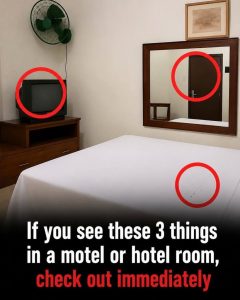
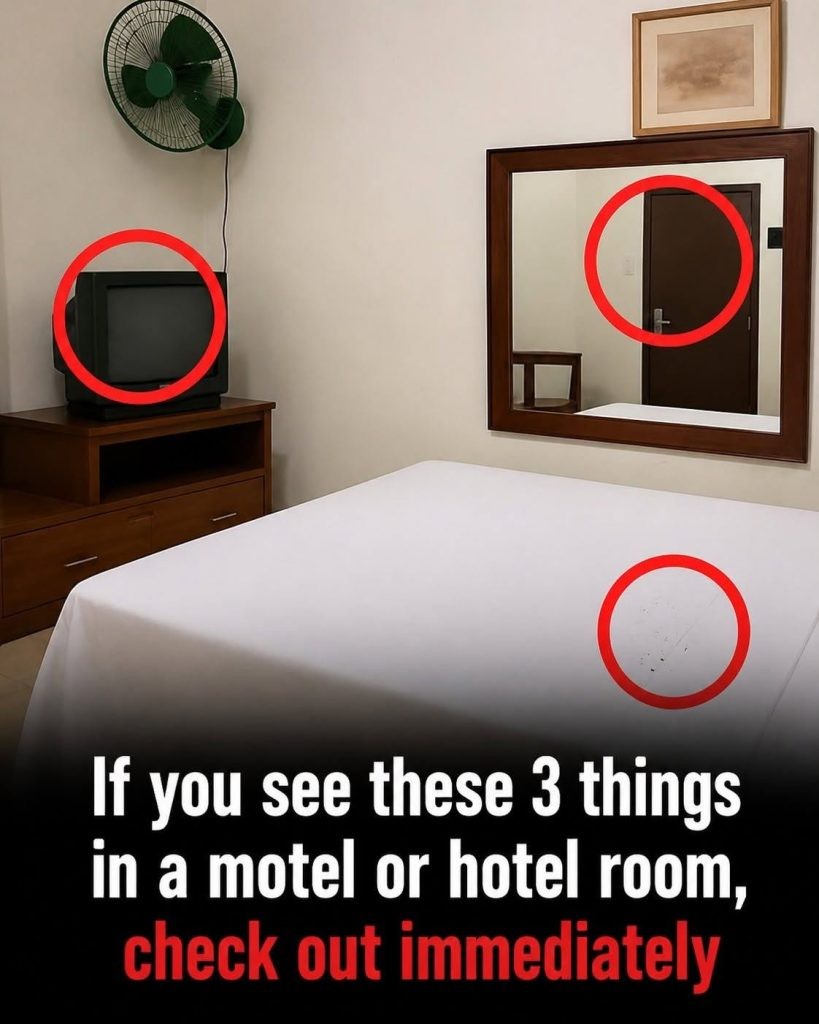
Arriving at a hotel after a long flight, road trip, or business journey is usually a moment for rest. Most travelers want to put down their bags, take a shower, and settle in. Viral social media posts, however, sometimes suggest that every television, mirror, stain, or wall fixture could indicate a serious threat. These claims can make ordinary hotel rooms seem alarming, even when there is no evidence of a problem.
A more useful approach is calm, practical, and evidence-based. Travelers do not need to dismantle furniture, accuse staff, or assume that normal hotel features are suspicious. Instead, a short hotel room safety check can help identify clear concerns such as a damaged lock, signs of bed bugs, unsafe electrical equipment, or an unfamiliar device that genuinely appears out of place.
This guide explains what to look for when entering a hotel room, which popular online claims are unreliable, and what steps to take if an issue needs attention. The goal is not fear. It is informed awareness, personal security, and peace of mind.
Why a Brief Hotel Room Safety Check Is Worthwhile
Hotels have security procedures, housekeeping standards, maintenance teams, and guest-service systems. Reputable properties generally work hard to provide safe, clean accommodations. Even so, no business can eliminate every possible issue at every moment. A door lock can malfunction, a previous guest may have caused damage, or a maintenance problem may not yet have been reported.
A basic room inspection takes only a few minutes and allows guests to notice issues before unpacking. It is particularly useful for people traveling alone, families with children, frequent business travelers, and anyone staying in an unfamiliar area. The most valuable checks tend to be straightforward: confirm that the entry door secures properly, assess whether the room appears clean and well maintained, inspect the bed before placing luggage on it, and remain alert for unusual equipment or visible damage.
These actions are not about treating every object as suspicious. They are about recognizing the difference between a normal room feature and a specific warning sign that deserves an explanation.
Start With the Hotel Room Door and Entry Security
The entry door is one of the first things to check because it directly affects personal security. After entering the room, close the door fully and test whether the lock engages as expected. If the room has a deadbolt, privacy latch, swing bar, or similar secondary lock, make sure it functions and is firmly attached.
Look for visible damage around the lock, strike plate, hinges, door frame, and handle. A loose latch, cracked frame, missing screws, or door that does not close securely should be reported immediately. Guests should request another room if the hotel cannot promptly resolve a clear security issue.
It is also sensible to identify the emergency exit route shown on the back of the hotel room door or in the hallway. Familiarizing yourself with nearby stairs and exits can be useful in an emergency, especially at night or in an unfamiliar building. Travelers should avoid propping open room doors or sharing room numbers publicly, including on social media posts made in real time.
How to Inspect a Hotel Bed for Bed Bug Signs
The bed is one area where a quick inspection is practical. Bed bugs are small insects that can be found in homes, hotels, apartments, public transportation, and other places where people stay or gather. Their presence does not automatically mean a hotel is poorly managed, but hotels should respond seriously to reports and arrange professional inspection when needed.
Before placing suitcases on the bed, check the mattress seams, piping, corners, headboard, and the joints of the bed frame. The United States Environmental Protection Agency notes that possible signs of bed bugs can include live insects, tiny pale eggs, shed skins, dark spotting, or reddish-brown stains. None of these clues should be interpreted in isolation without context, as marks on bedding may have other causes. However, several signs together may warrant a report to hotel management.
Keeping luggage on a rack away from the bed and wall can be a sensible precaution while checking the room. If you observe what appears to be an infestation, do not move to another room on your own while carrying open luggage through the property. Contact the front desk, explain what you found, and ask for assistance. Take clear photographs if possible, but avoid handling insects or potentially affected bedding unnecessarily.
If hotel staff offer a different room, it is reasonable to request a room that is not directly adjacent to, above, or below the original room, since pest-control professionals may need to inspect surrounding areas. After travel, travelers concerned about exposure can inspect luggage before bringing it indoors and wash or dry suitable clothing according to garment-care instructions. High heat in a dryer can be effective against bed bugs on items that can safely tolerate that treatment.
Televisions, Electronics, and Hotel Room Privacy
Televisions, alarm clocks, Wi-Fi routers, smoke detectors, thermostats, and other electronics are common in modern hotel rooms. Their existence is not evidence that someone is recording guests. Many devices contain sensors, indicator lights, microphones for voice-control features, or network connectivity for legitimate operational reasons. Smart televisions may also collect usage data under their privacy settings, which is separate from unauthorized surveillance.
Rather than assuming that standard electronics are dangerous, focus on objects that appear genuinely unusual. Potential warning signs may include an unfamiliar device placed in an odd location, a camera-like opening directed toward a private area, unexplained wiring, equipment that does not seem connected to a clear hotel function, or a device concealed in a way that appears designed to avoid notice.
A practical review does not require specialist equipment. Look around the sleeping area, desk, and bathroom for objects that are clearly out of place. Consider whether an item appears to belong to the room and whether it has an understandable purpose. For example, a smoke detector on the ceiling or a television mounted on a wall is ordinary. A loose, unidentified electronic item pointed toward the bed may justify a question.
Guests should be cautious about relying on smartphone applications that claim to detect all hidden cameras or listening devices. These tools can produce false positives and false negatives. Reflections, Wi-Fi signals, infrared sources, and ordinary electronic devices can all be misinterpreted. A phone app should not be treated as proof that surveillance is occurring.
What to Know About Mirrors and Two-Way Mirror Claims
Mirrors are another frequent subject of online safety videos. Two-way mirrors exist and can be used in specialized professional settings, but an ordinary hotel mirror is not automatically suspicious. Widely shared “fingernail tests,” which claim to identify a two-way mirror based on the apparent gap between a finger and its reflection, are not reliable methods of determining how a mirror is constructed.
Mirror appearance can vary because of lighting, glass thickness, reflective coatings, mounting methods, and the position of the observer. A viral test may create anxiety without giving a dependable result. It is better to consider concrete details. Does the mirror appear securely mounted? Is there an unexplained opening, visible wiring, unusual damage, or an inaccessible-looking space behind it that management cannot reasonably explain? If so, report the concern politely and ask hotel staff to inspect it.
Most of the time, a mirror is simply a mirror. Travelers should avoid damaging property or attempting to remove fixtures. If there is a serious and specific concern about privacy, document the circumstances and request another room while hotel management investigates.
Bathroom Safety and Maintenance Checks
The bathroom deserves a quick, ordinary inspection for cleanliness and maintenance. Check that the floor is dry enough to walk on safely, that the shower or bathtub surface is not excessively slippery, and that the exhaust vent appears functional. Confirm that electrical outlets, light switches, hair dryers, and other appliances are undamaged. Frayed cords, scorch marks, loose outlets, water leaks near electrical equipment, or exposed wiring should be reported promptly.
In addition to reducing slip and electrical risks, a simple bathroom check can help travelers spot plumbing issues before they become disruptive. Look for significant leaks under the sink, a toilet that is overflowing or unstable, or a shower fixture that appears broken. These are generally maintenance concerns, not reasons for alarm, but they should be addressed by the hotel or may justify a room change.
As with the rest of the room, note any unfamiliar device or object that seems clearly inconsistent with a bathroom’s normal fixtures. Avoid touching or removing anything that may be relevant to a complaint. Taking a photograph and asking hotel management for an explanation is usually the most sensible first step.
Common Hotel Room Concerns That Are Often Misunderstood
Dark marks on sheets, walls, or furniture can be unsettling, but they are not automatically evidence of bed bugs or another serious issue. Laundry chemicals, fabric wear, food stains, ink, cosmetic products, and prior damage can all leave marks. Nonetheless, visibly soiled linens should be reported and replaced. Guests are entitled to clean bedding and should feel comfortable requesting it.
Similarly, small holes in walls may be from old picture fixtures, cable installations, or routine repairs. A small light on a television, thermostat, or router may be part of normal operation. The relevant question is whether the object has a plausible purpose, is installed professionally, and appears consistent with the rest of the room.
Travel safety experts generally encourage situational awareness rather than constant suspicion. Paying attention to surroundings is useful; allowing unverified social media claims to create panic is not. Credible safety decisions depend on observable facts, clear communication, and appropriate escalation when evidence supports concern.
What to Do If You Find a Genuine Problem
If you identify an issue such as a broken door lock, clear signs of pests, dangerous electrical damage, major water leakage, or a device that appears suspicious, document it calmly. Take photographs or a short video showing the item in context, including where it was located. Avoid moving, tampering with, or destroying an item that may be important to an investigation.
Contact the hotel front desk or manager and explain the concern factually. State what you observed rather than making assumptions about intent. For example, say that you found an unfamiliar device positioned toward the bed and would like it inspected, rather than immediately alleging wrongdoing. Ask for a written record of the report if the situation is serious, and request a different room or a refund if the hotel cannot provide a satisfactory solution.
If you reasonably believe there may be unauthorized recording equipment or another potentially unlawful privacy violation, contact local law enforcement through the appropriate non-emergency or emergency channel depending on the circumstances. Hotel management should also be informed, but travelers do not need to investigate the matter alone. Preserve evidence, avoid confrontation, and prioritize personal safety.
Practical Hotel Safety Habits for Every Trip
A few consistent habits can make hotel stays more comfortable without turning check-in into a stressful routine. Read recent reviews from multiple sources before booking, while recognizing that individual experiences can vary. Choose accommodations with clear contact information and responsive customer service. Keep valuables secured in a hotel safe when appropriate, or carry important documents and essential items with you.
Use the door’s locking features whenever you are inside. Do not open the door to unexpected visitors without confirming their identity through the front desk. Be cautious when discussing your room number in public spaces, and consider removing hotel key-card sleeves that display the room number after memorizing it. When leaving, make sure the door closes completely behind you.
Most importantly, trust observable facts and your own comfort level. If a room is unclean, unsafe, or simply does not feel acceptable after you have identified a specific reason, ask for help. Responsible hotels should take guest concerns seriously. A calm inspection, clear documentation, and respectful communication are far more effective than fear-driven reactions to every ordinary television, mirror, or stain.
Conclusion: Awareness Without Unnecessary Alarm
Hotel room safety is best approached with balance. There is no need to assume that normal room furnishings conceal a risk, and popular online “tests” are not always scientifically reliable. At the same time, guests should not ignore meaningful signs of poor maintenance, pest activity, inadequate security, or potential privacy concerns.
Check the door lock, inspect the bed before unpacking, look for obvious electrical or plumbing hazards, and pay attention to objects that genuinely appear out of place. If a concern arises, document it, contact management, and involve local authorities when there is a reasonable basis to do so. These simple steps support both safety and peace of mind, allowing travelers to focus on the purpose of their trip rather than unverified internet myths.
Sources
Disclaimer: This content is intended for entertainment purposes only and is not based on real events.