
From Outsider to Icon: A Story of Resilience, Talent, and Transformation
People once said she was unattractive.
Those who truly paid attention never understood why.
They saw a young woman with a slim frame, expressive eyes, thick hair, and a voice that could stop a room cold. She rarely relied on makeup, radiated a raw presence, and sang with an emotional force that felt otherworldly. Long before the world embraced her, she already possessed the quality that would define her legacy: authenticity.
This is the story of how a girl dismissed and mocked in her youth became one of the most compelling performers of the twentieth century—and how talent, persistence, and honesty ultimately reshaped how the world saw her.
A Childhood Marked by Difference
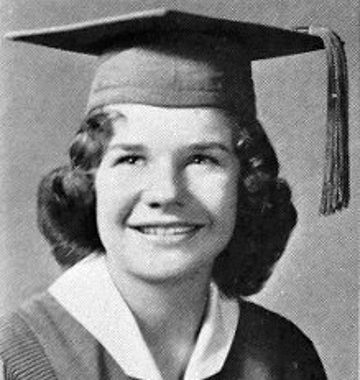
On January 19, 1943, a baby girl was born in Port Arthur, Texas, to parents who lived a modest, structured life. Her mother, Dorothy, worked at a local college, while her father, Seth, was an engineer. The family valued faith, routine, and community, hoping for a quiet and steady future.
Yet from early childhood, it was clear their daughter did not fit easily into conventional expectations. She was curious, intense, and drawn to ideas and people that challenged the norms of her deeply conservative hometown. While many children blended in, she stood apart—sometimes uncomfortably so.
Port Arthur in the 1950s was shaped by segregation and rigid social roles. As national conversations around civil rights intensified, she gravitated toward music, literature, and cultures that encouraged empathy and openness. Jazz records, folk songs, and beat poetry filled her world, offering escape and inspiration.
Standing Out in a Town That Valued Sameness
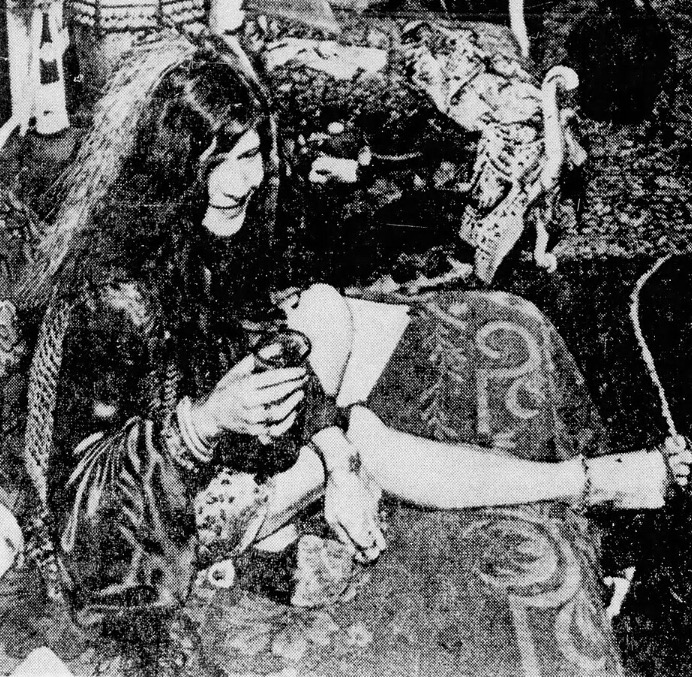
As a teenager, she leaned fully into her individuality. She rejected restrictive fashion norms, styled her hair in unconventional ways, and embraced her own expressive, uninhibited laugh. Friends later recalled her fearless humor and her willingness to ask questions others avoided.
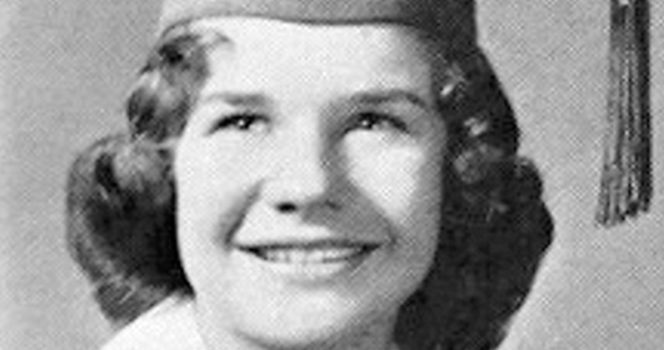
But being different came at a cost. High school was difficult. She was often isolated and became the target of cruel remarks about her appearance. Like many adolescents, she faced physical changes that affected her confidence, and her skin problems became a focal point for unkind gossip.
Those years left lasting emotional marks. Classmates later remembered how quickly public opinion shifted—from calling her “cute” to labeling her as unattractive. Even within her own family, her younger sister recalled how much discomfort those years brought.
Yet beneath the criticism, something else was growing stronger.
Discovering a Voice That Could Not Be Ignored
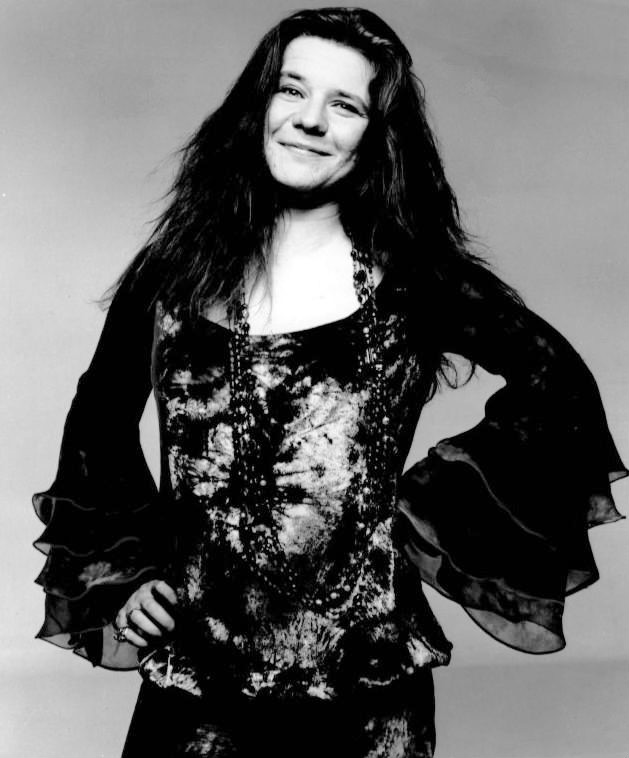
Music became her refuge. In high school, she discovered a deep connection to blues and folk, genres that valued emotion over polish. Singing allowed her to transform pain into power.
She carried that passion into college, first enrolling locally and later transferring to the University of Texas at Austin. On campus, she was known for walking barefoot, wearing practical clothes instead of fashionable ones, and carrying an instrument wherever she went—ready to sing whenever inspiration struck.
Her circle of friends was small but intellectually vibrant, bonded by books, ideas, and long conversations rather than popularity. Still, the focus on her appearance followed her. A campus joke contest—meant to be humorous—ended up deeply embarrassing her and reinforced her feeling of being an outsider.
Despite this, she continued to perform, refusing to let ridicule silence her.
Choosing the Uncertain Path
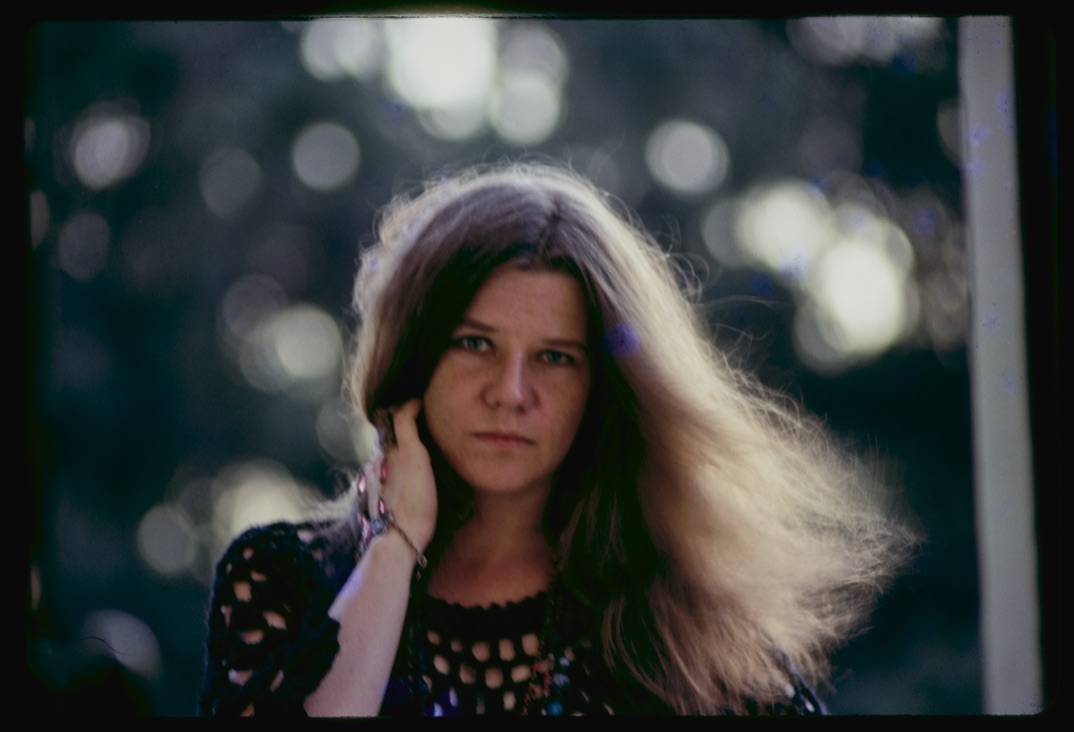
In 1963, she made a decisive choice. She left college behind and traveled to San Francisco, drawn by its emerging music scene and creative freedom. Life there was unstable. She performed in small venues, lived with little money, and relied on the kindness of friends and fellow musicians.
Record labels at the time prioritized conventional beauty, and she did not fit that mold. But in coffeehouses and underground clubs, her voice stood out immediately. Audiences responded not to her looks, but to the honesty and intensity of her performances.
The early years were challenging. The pressures of an unpredictable lifestyle and the demands of performing took a toll on her health. Eventually, she returned home to Texas, determined to regroup. She entered therapy, reconsidered her future, and briefly imagined a quieter, more conventional life.
That pause, however, would not last.
A Breakthrough That Changed Everything
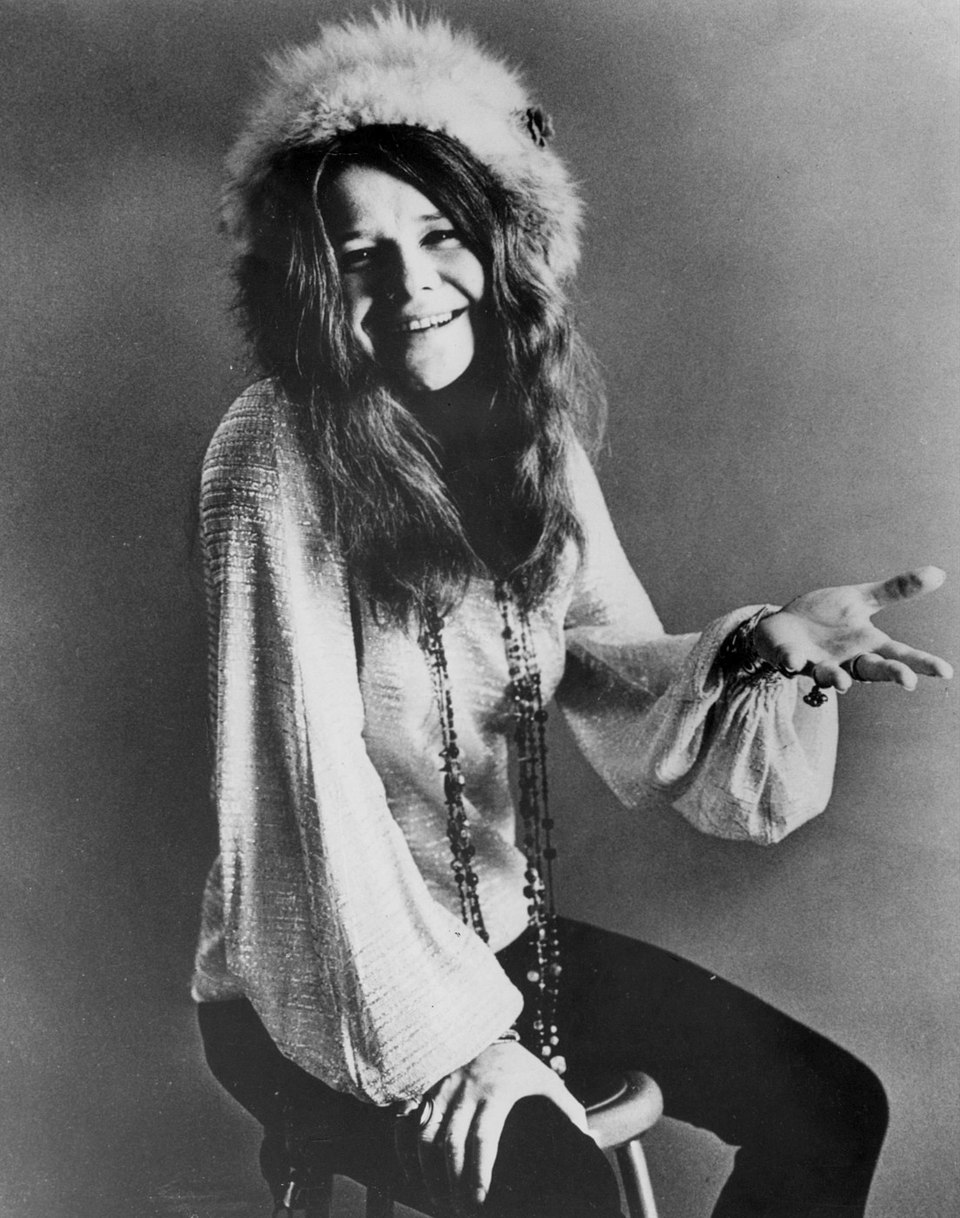
Soon after, she was invited back to San Francisco to join a band called Big Brother and the Holding Company. By then, the city had become a cultural epicenter, and the band quickly gained momentum.
Their performance at the Monterey Pop Festival in 1966 became a turning point. Scheduled initially for a minor slot, they were quickly elevated after audiences reacted with overwhelming enthusiasm. Industry leaders took notice, and a major recording contract followed.
Almost overnight, public perception shifted. The woman once dismissed for her appearance was now celebrated for her charisma, confidence, and unmistakable presence. Magazine covers followed, along with national recognition.
For the first time, the world listened.
Redefining Beauty Through Authenticity
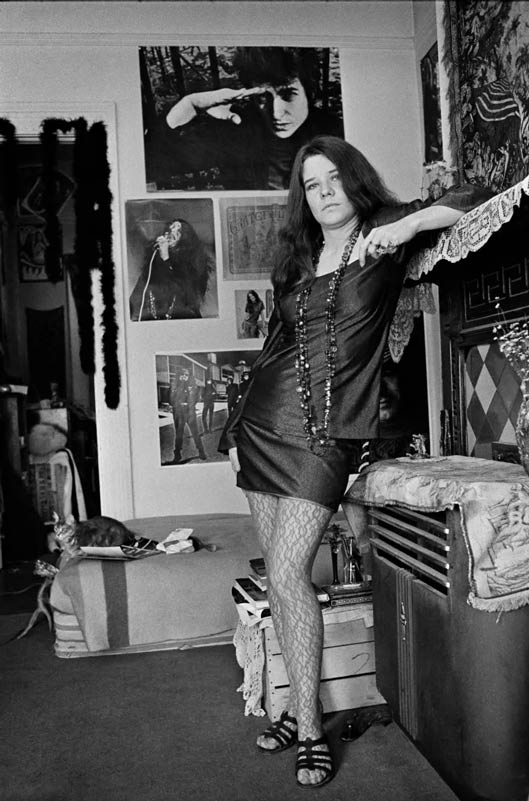
With fame came a new label: cultural icon. She challenged traditional ideas of femininity, proving that confidence, emotional honesty, and talent could redefine attraction. Her appeal did not come from perfection, but from vulnerability and strength intertwined.
She became one of the first female rock performers to achieve global celebrity on her own terms. Her performances were raw and fearless, often blurring the line between audience and artist. People did not just watch her—they felt her.
After recording two albums with Big Brother and the Holding Company, she launched a solo career, collaborating with new bands and expanding her musical range.
Her recordings would later include enduring hits that showcased both power and tenderness, cementing her influence on generations of musicians.
Honoring Her Musical Roots
Her artistic influences were deeply rooted in blues and soul. She admired performers who sang from lived experience, and one of her greatest inspirations was blues legend Bessie Smith.
When she learned that Smith’s grave lacked proper recognition, she took action, helping fund a headstone to honor the woman who had shaped her musical voice. It was a quiet gesture, but one that revealed her deep respect for history and artistic lineage.
This commitment to authenticity extended beyond music—it shaped how she saw responsibility, gratitude, and legacy.
A Daughter Still Seeking Approval
Despite her rebellious public image, she carried a private longing to make her parents proud. Letters sent home revealed a young woman eager to explain her choices and reassure her family that she was finding her way.
Her parents, while concerned, remained supportive. They may not have fully understood the cultural shifts she embodied, but they valued maintaining a close relationship over enforcing agreement. That mutual respect allowed honest conversations, even amid worry.
At least once, they gathered friends to watch her perform on national television—a moment of quiet pride that bridged generational divides.
A Life That Ended Too Soon
In October 1970, at just 27 years old, her life came to an abrupt end in Los Angeles. The news shocked fans around the world and underscored the fragility that often accompanies intense creative lives.
She was remembered by those closest to her as grounded, generous, and deeply connected to her audience. She did not see herself above the crowd—she saw herself as part of it.
Her remains were laid to rest privately, in keeping with her wishes.
A Legacy Beyond Labels
Today, Janis Joplin is remembered not for the cruel words once aimed at her, but for the way she transformed pain into art and challenged society’s narrow definitions of beauty.
She proved that talent does not need permission, that individuality can outshine conformity, and that a powerful voice—used honestly—can change culture.
Her story remains a reminder: the qualities others dismiss may one day be the very ones that make someone unforgettable.