
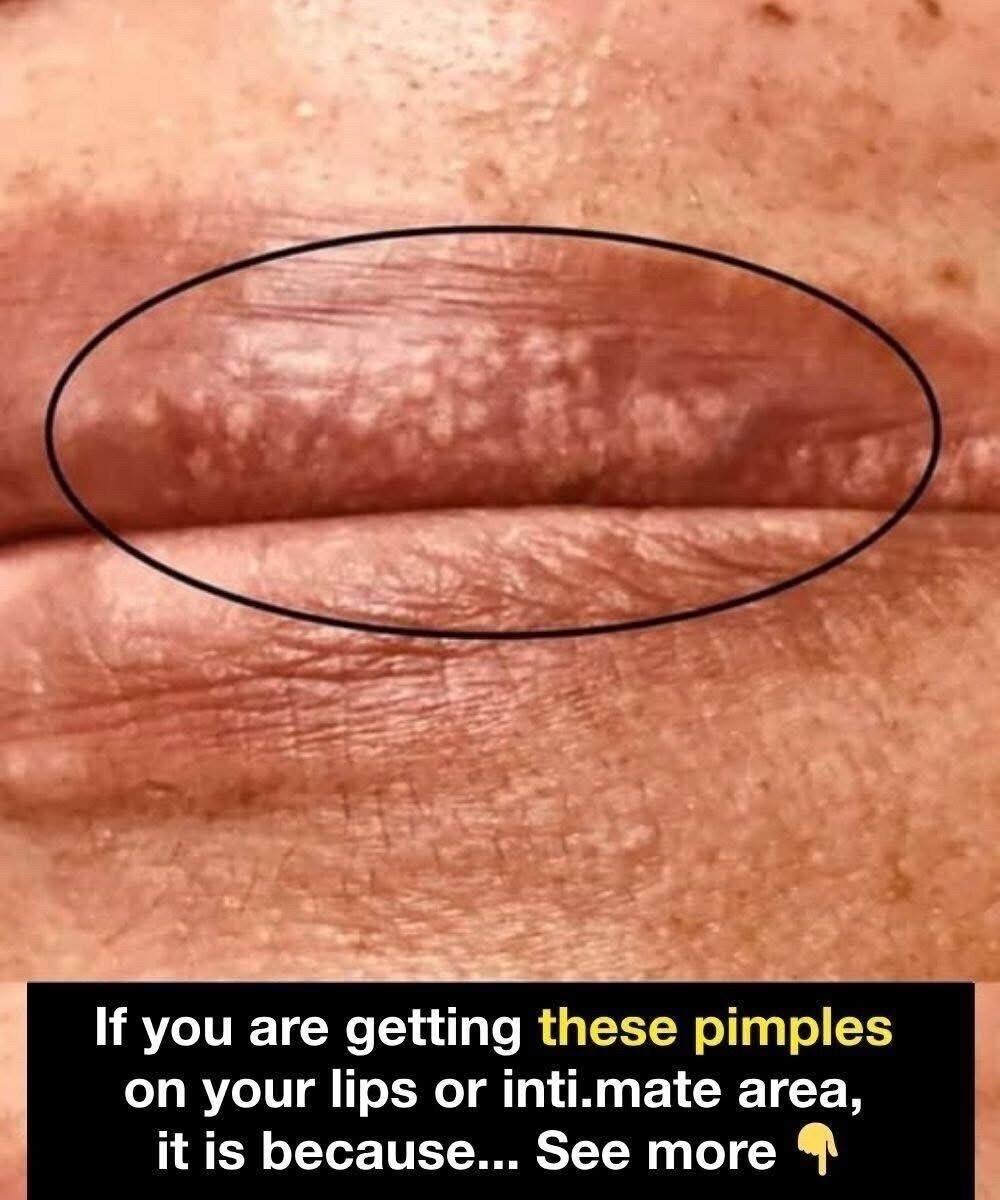
White pimples on or around the lips are a common skin concern that often causes worry because of the sensitivity and visibility of the area. While many of these small bumps are harmless and temporary, others may indicate irritation, inflammation, or a skin condition that requires professional care. Understanding the possible causes, recognizing warning signs, and knowing when to consult a dermatologist can help protect lip health and prevent unnecessary complications.
Why the Lips Are More Vulnerable
The skin on the lips differs from skin on most other parts of the body. It is thinner, contains fewer oil-producing glands, and has a weaker protective barrier. According to dermatology research, this makes the lip area more susceptible to dryness, irritation, allergic reactions, and inflammation when exposed to cosmetic products, environmental factors, or improper treatments.
Because of these characteristics, even mild clogging of pores or irritation can appear more noticeable on the lips than elsewhere on the face.
Common Causes of White Pimples on the Lips
Blocked Pores and Whiteheads
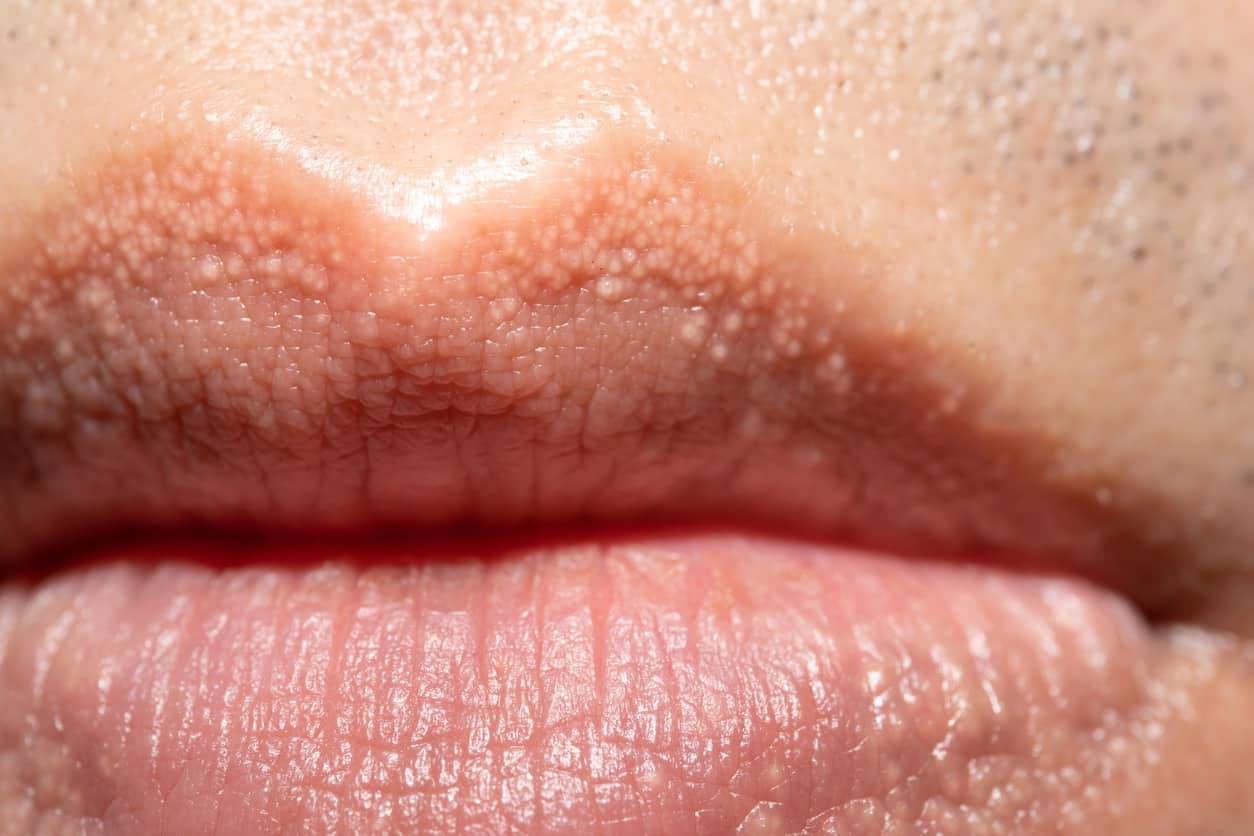
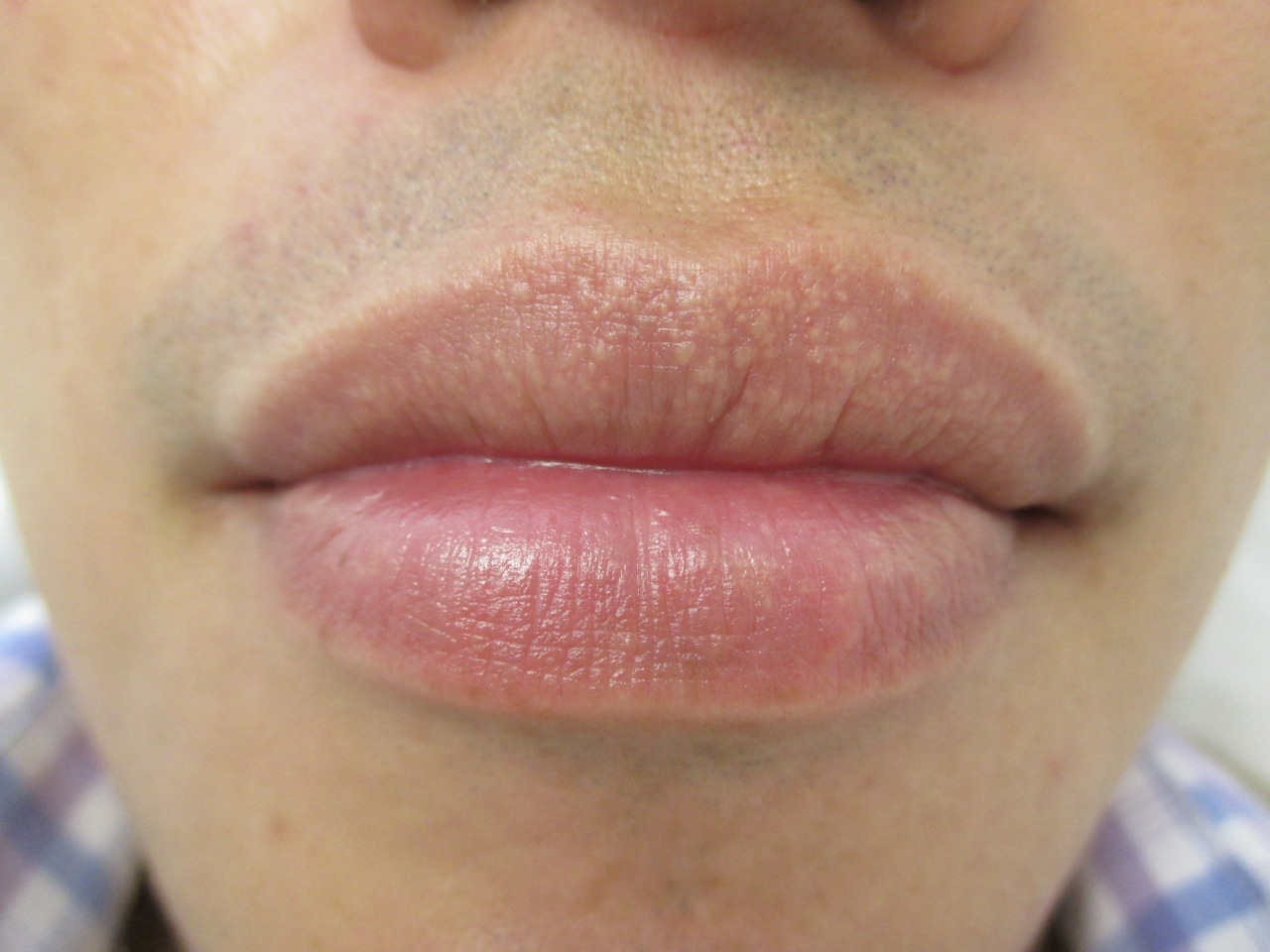
White pimples, often referred to as whiteheads, develop when pores become blocked with oil, dead skin cells, and surface bacteria. Although the lips themselves have limited oil glands, the surrounding skin can still develop clogged pores, especially when exposed to thick or occlusive products.
Lip balms, lipsticks, glosses, and concealers may contribute if they contain heavy oils, waxes, or fragrances that block pores. The American Academy of Dermatology notes that cosmetic-related acne is a well-documented issue, particularly in sensitive areas around the mouth.
Contact Irritation and Allergic Reactions
Ingredients in lip products, toothpaste, mouthwash, or dental materials can cause irritation or allergic contact reactions. Flavorings, preservatives, and fragrances are common triggers. These reactions may appear as small white or flesh-colored bumps, redness, or dryness around the lips.
Unlike acne, contact reactions often worsen with continued exposure to the triggering product and improve once the irritant is removed.
Perioral Dermatitis
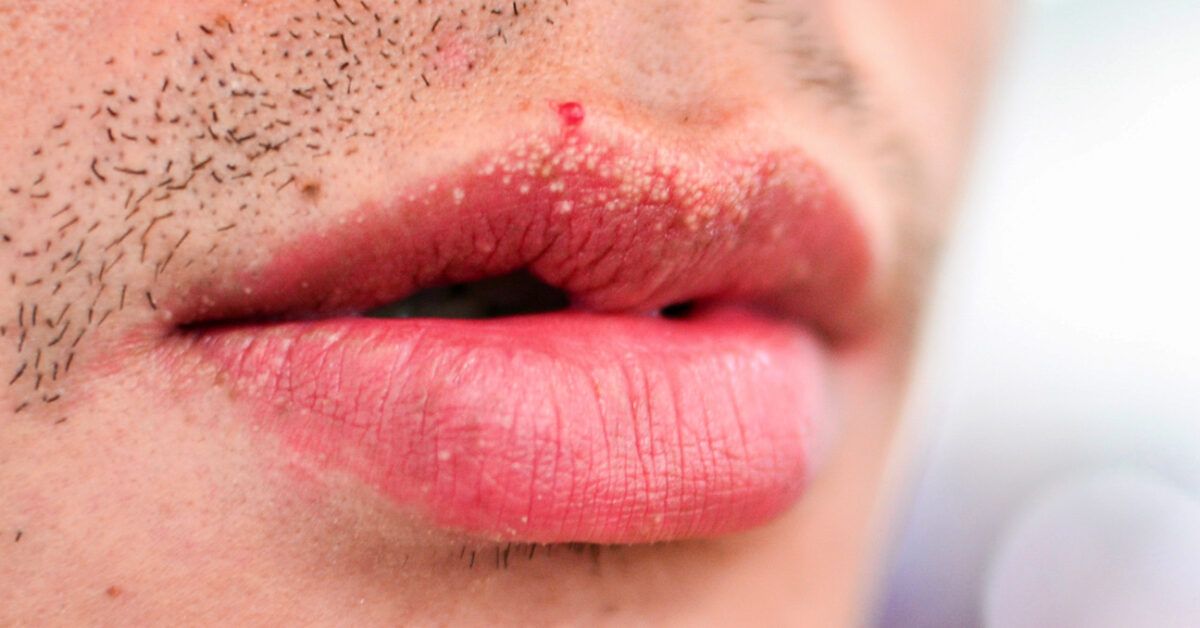
Perioral dermatitis is a recognized inflammatory skin condition that can cause clusters of small bumps around the mouth. Although it may resemble acne, dermatologists consider it a distinct condition that requires different treatment.
Medical sources report that perioral dermatitis is sometimes associated with topical steroid use, certain cosmetics, or skin barrier disruption. Using standard acne treatments without proper diagnosis can worsen this condition.
Skin Barrier Disruption
Frequent lip licking, harsh exfoliation, or repeated use of drying products can damage the skin barrier. When the barrier is weakened, the skin becomes more prone to irritation, inflammation, and small bumps.
Dermatology guidelines emphasize that maintaining the skin barrier is essential for preventing recurrent lip-area problems.
Why Over-the-Counter Treatments May Not Help
Many people attempt to treat lip pimples using common acne products. However, ingredients such as benzoyl peroxide or salicylic acid can be too strong for the delicate lip area. These substances may cause excessive dryness, cracking, or irritation without addressing the underlying cause.
Medical guidance generally recommends caution when applying acne treatments near the mouth, as improper use can worsen symptoms and delay healing.
When to Consult a Dermatologist
Persistence or Recurrence
White pimples that do not improve after several weeks or that frequently return despite gentle care should be evaluated by a dermatologist. Persistent symptoms may indicate an inflammatory condition, allergy, or other skin disorder that requires targeted treatment.
Spreading or Worsening Symptoms
If bumps spread beyond the lips, become increasingly irritated, or are accompanied by noticeable swelling or discomfort, professional evaluation is important. Dermatologists can determine whether infection, inflammation, or another medical issue is present.
Changes in Appearance
Any changes such as rapid growth, unusual texture, or surface changes should not be ignored. Early assessment helps rule out less common but potentially serious skin conditions and ensures appropriate care.
How Dermatologists Diagnose Lip Bumps
Dermatologists rely on clinical examination, medical history, and product exposure review to determine the cause of lip bumps. In some cases, patch testing or additional evaluation may be recommended to identify allergic triggers or underlying skin conditions.
Accurate diagnosis is essential because treatments that help one condition may worsen another.
Professional Treatment Options
Depending on the diagnosis, dermatologists may recommend:
-
Gentle topical medications designed for sensitive skin
-
Anti-inflammatory treatments to reduce irritation
-
Temporary avoidance of triggering products
-
Supportive skin barrier repair strategies
These approaches are tailored to protect the lips while addressing the root cause of the problem.

Lifestyle and Environmental Factors
External factors can play a significant role in lip health. Environmental exposure, dry air, frequent mask use, and habitual lip licking can all contribute to irritation. Dental appliances or orthodontic devices may also increase friction around the mouth.
Dermatology sources consistently emphasize minimizing irritants and maintaining gentle skincare routines to support recovery.
Supporting Overall Skin Health
Recurrent lip issues may sometimes coincide with broader skin sensitivity or health-related factors. Chronic stress, nutritional imbalances, or immune-related conditions can influence skin resilience. In such cases, dermatologists may recommend collaboration with other healthcare professionals to address contributing factors.
Preventive Care Tips
To reduce the risk of white pimples on the lips:
-
Use fragrance-free, non-comedogenic lip products
-
Avoid harsh exfoliation or aggressive treatments
-
Keep lips moisturized with simple, dermatologist-approved formulas
-
Discontinue products that cause irritation
-
Seek professional advice for persistent or unclear symptoms

Conclusion
White pimples on the lips are often harmless, but their location requires careful attention. While many cases resolve with gentle care and avoidance of irritants, persistent or worsening symptoms should be evaluated by a dermatologist. Early professional assessment ensures accurate diagnosis, appropriate treatment, and long-term lip health, helping prevent unnecessary discomfort and complications.
Sources
American Academy of Dermatology Association
Centers for Disease Control and Prevention
National Institutes of Health
DermNet New Zealand
Mayo Clinic