

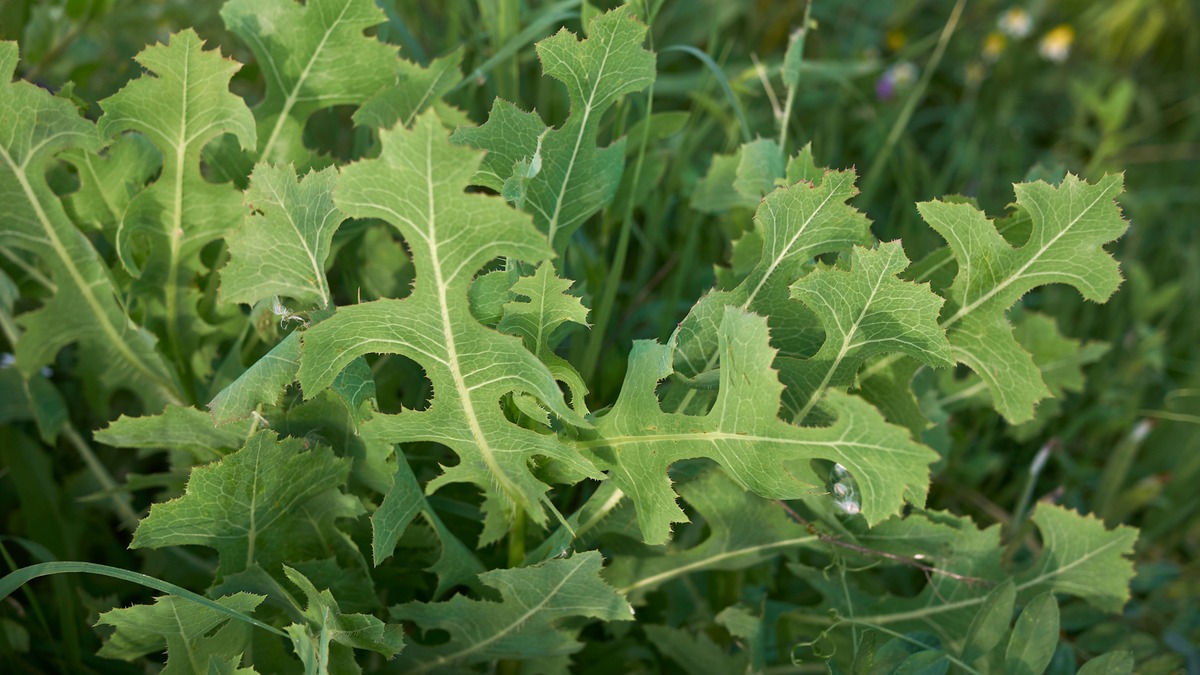
Wild lettuce (Lactuca virosa) is a biennial plant belonging to the Asteraceae family and is closely related to cultivated lettuce. It has a long history of use in traditional European herbal practices, particularly for its milky latex, commonly referred to in botanical literature as lactucarium. This substance is produced naturally by the plant as a defense mechanism and has been documented in historical herbals for centuries.
This article provides an evidence-based overview of wild lettuce sap, including how it is traditionally collected, how it has been used historically, and what modern safety guidelines recommend. All information is presented for educational purposes and does not replace professional medical advice.
What Is Wild Lettuce Sap?
Wild lettuce sap is a milky latex released when the stems or leaves of Lactuca virosa are cut or damaged. In classical botanical references, this dried latex is known as lactucarium. It has been described in historical pharmacopeias, including 19th-century European medical texts, as a plant-derived substance used in traditional preparations.
Importantly, modern chemical analysis has confirmed that wild lettuce does not contain opioid compounds. Its primary constituents include sesquiterpene lactones such as lactucin and lactucopicrin, which have been studied in laboratory settings for their biological activity. However, these studies are limited and do not establish wild lettuce as a medically approved treatment for any condition.
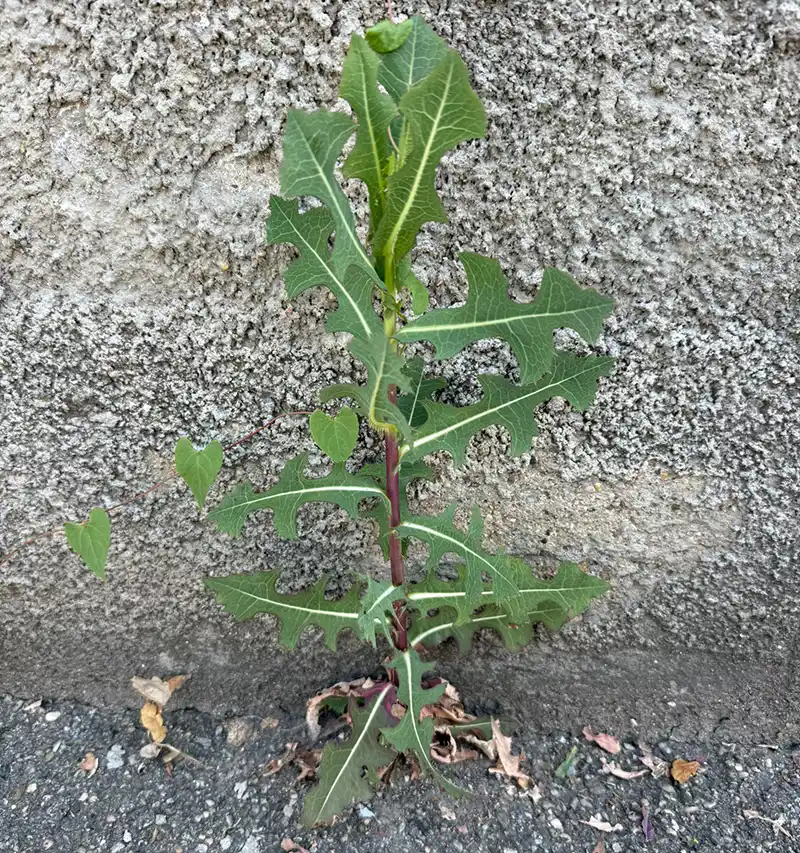
Identifying Wild Lettuce Correctly
Correct identification is essential, as many wild plants can appear similar.
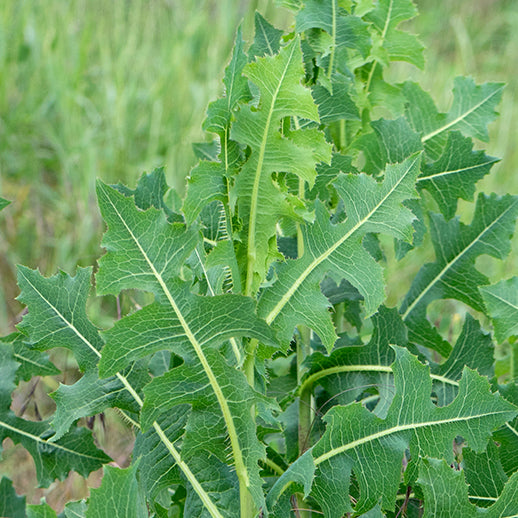
Wild lettuce typically grows in open or disturbed areas such as roadsides, fields, and abandoned land. It can reach heights of up to 1.5 to 2 meters. The leaves are elongated, often bluish-green, and may have small spines along the central vein on the underside. One of its most recognizable features is the release of a white, milky sap when the stem is cut.
Foraging guides and botanical manuals strongly advise consulting multiple identification resources or an experienced botanist before harvesting any wild plant.
Traditional Collection of Wild Lettuce Sap
Historically, the sap of wild lettuce was collected using simple manual techniques. These methods are described in traditional herbal literature rather than modern clinical sources.
Mature plants were typically selected because they produce a higher volume of latex. The stem was cut near the base, allowing the sap to ooze out naturally. This sap was then collected on a clean surface, such as glass or ceramic, and allowed to dry. Once dried, it formed a dark, resin-like substance.
This process was sometimes repeated by making additional cuts higher up the stem. After drying, the resin was stored in airtight containers to protect it from moisture. These practices are documented as part of historical herbal traditions and should not be interpreted as medical recommendations.
Historical and Traditional Uses
In traditional European herbalism, wild lettuce sap was used in small amounts for specific purposes. Historical records describe its use primarily in preparations intended to promote rest or ease discomfort. It was also mentioned in older cough remedies and calming formulations.
These uses are based on historical observation rather than modern clinical trials. Contemporary medical authorities do not recognize wild lettuce sap as an approved treatment for pain, sleep issues, or respiratory conditions. Any perceived effects reported in historical sources should be understood within their historical context.

Modern Perspectives on Use
Today, wild lettuce is most often encountered in herbal literature, botanical studies, and academic discussions rather than in mainstream healthcare. Some commercially available herbal products reference Lactuca virosa, but these products are typically regulated as supplements rather than medicines and vary widely in composition and quality.
Modern health organizations emphasize that plant-based substances can interact with medications or cause side effects, particularly when dosage and purity are not standardized.
Preparation Methods Described in Herbal Literature
Traditional sources describe several preparation methods, although these should not be interpreted as endorsements.
One method involved creating a liquid extract by soaking dried plant material in alcohol for several weeks, then filtering the liquid. Another approach described the use of dried leaves infused in hot water. In historical texts, the sap itself was sometimes diluted extensively before use.
It is important to note that dosage information in historical sources is inconsistent and not aligned with modern safety standards.
Safety Considerations and Warnings
Reputable herbal references and modern health authorities consistently emphasize caution when using wild plants.
Potential adverse effects associated with improper use or excessive intake have been noted in case reports and include digestive discomfort, dizziness, and general malaise. Because individual reactions can vary, self-experimentation carries inherent risks.
Certain groups should avoid using wild lettuce entirely unless advised by a qualified healthcare professional. These include pregnant or breastfeeding individuals, children, and people with underlying medical conditions or those taking prescription medications.
Wild lettuce should never be considered a substitute for professional medical care or prescribed treatments.
Legal and Regulatory Status
Wild lettuce is not classified as a controlled substance in most countries. However, this does not imply safety or efficacy. Herbal supplements are regulated differently from pharmaceutical products, and regulations vary by region. Consumers should be aware that products labeled as containing wild lettuce are not evaluated under the same standards as approved medications.
Evidence-Based Disclaimer
This article is intended solely for educational and informational purposes. It does not provide medical advice, diagnosis, or treatment recommendations. Historical and traditional uses of wild lettuce sap are discussed in an academic context and should not be interpreted as proof of effectiveness.
Anyone considering the use of herbal products should consult a licensed healthcare provider, particularly if they have health concerns or are taking medications.
Final Thoughts
Wild lettuce sap occupies an interesting place in botanical history and traditional herbal literature. While it has been referenced for centuries, modern science has not established it as a safe or effective medical treatment. Understanding the difference between historical use and evidence-based medicine is essential for making informed decisions.
Responsible learning, careful research, and professional guidance are the safest ways to explore the topic of herbal plants. Curiosity about traditional remedies can be valuable, but safety and accuracy should always come first.