

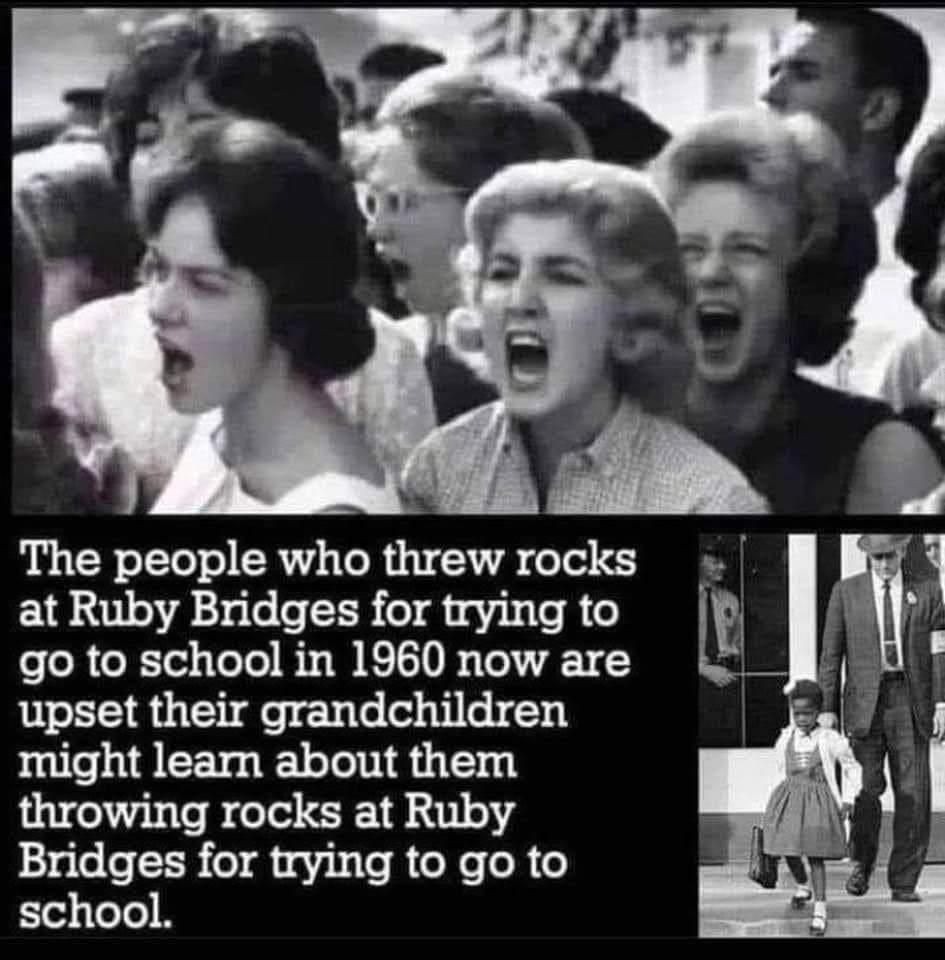
In the history of the United States, certain moments mark meaningful progress toward equality and fairness. One such moment occurred in 1960, when Ruby Bridges, a six-year-old African American child, became the first Black student to integrate an all-white elementary school in the American South. Her enrollment at William Frantz Elementary School in New Orleans, Louisiana, stands as a documented milestone in the broader movement toward desegregation in public education.
This event did not happen in isolation. It was the direct result of federal court rulings, civil rights advocacy, and the enforcement of laws designed to ensure equal access to education regardless of race. Ruby Bridges’ experience has since become an important chapter in American history, studied in schools and referenced in museums, government archives, and academic research.
The Legal Background of School Integration in the United States
The integration of public schools was mandated by the 1954 U.S. Supreme Court decision in Brown v. Board of Education, which ruled that racial segregation in public schools was unconstitutional. Despite this ruling, many school districts, particularly in Southern states, delayed or resisted implementation.
By the late 1950s, federal courts issued specific orders requiring compliance. In New Orleans, legal proceedings led to a court-approved plan that required several elementary schools to admit African American students beginning in November 1960. Ruby Bridges was one of six children selected to participate in this initial phase of integration, following academic and psychological assessments administered under court supervision.
November 14, 1960: A Historic First Day
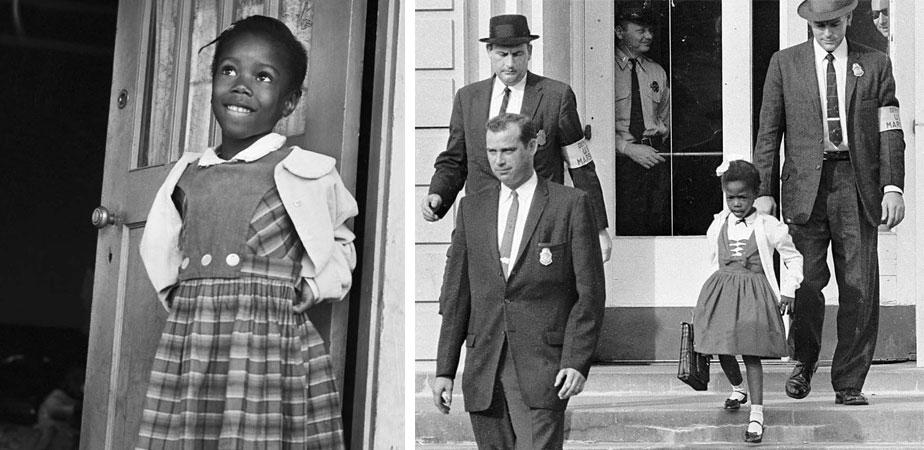
On November 14, 1960, Ruby Bridges arrived at William Frantz Elementary School accompanied by U.S. federal marshals, who were assigned to ensure her safety and enforce the federal court order. This escort was a standard federal procedure used during desegregation efforts in multiple states at the time.
Ruby’s enrollment made her the first African American student to attend the school. Her presence represented not only compliance with federal law but also a significant social shift in a region long shaped by segregation policies.
Community Reaction and School Conditions
Following Ruby Bridges’ arrival, many white families chose to withdraw their children from the school. As a result, Ruby spent most of the 1960–1961 school year attending class alone. The school continued to operate, but she was taught separately due to the absence of other students in her classroom.
Throughout that year, Ruby was taught by Barbara Henry, an experienced elementary school teacher from Boston who volunteered to accept the assignment. Mrs. Henry provided Ruby with a full academic curriculum, ensuring that her education continued uninterrupted despite the unusual circumstances.
Historical records from the National Archives and the Library of Congress confirm that Ruby completed her lessons daily and maintained regular academic progress.
Support from Family and Educators
Ruby’s ability to attend school consistently was made possible by the support of her family, particularly her parents, who believed strongly in the importance of education. Despite economic and social pressure, they upheld their decision to allow Ruby to continue attending William Frantz Elementary School for the entire academic year.
Barbara Henry’s role was also significant. Her presence ensured that Ruby received structured instruction and emotional stability within the classroom environment. Educational historians note that this teacher-student relationship was crucial in maintaining normalcy during an otherwise challenging period.
Broader Impact on Civil Rights and Education
Ruby Bridges’ enrollment did not immediately desegregate all schools in New Orleans, but it marked a clear and enforceable step forward. Over time, additional schools in the district began to integrate, following continued legal oversight and federal enforcement.
Her experience contributed to a growing national awareness of the realities surrounding school desegregation. It also highlighted the gap between federal law and local implementation, reinforcing the need for continued oversight during the civil rights era.
Today, Ruby Bridges’ story is recognized by institutions such as the Smithsonian National Museum of African American History and Culture and the National Park Service, both of which document her role in the desegregation of American public schools.
Ruby Bridges in Later Life and Public Education
As an adult, Ruby Bridges became an advocate for tolerance, education, and community dialogue. She later established the Ruby Bridges Foundation, which focuses on promoting respect and understanding among children and supporting educational initiatives.
Her life and experiences are frequently included in school curricula across the United States as part of lessons on civil rights, civic responsibility, and American history. These educational materials rely on verified historical records and aim to present her story accurately and responsibly.
Historical Recognition and Legacy
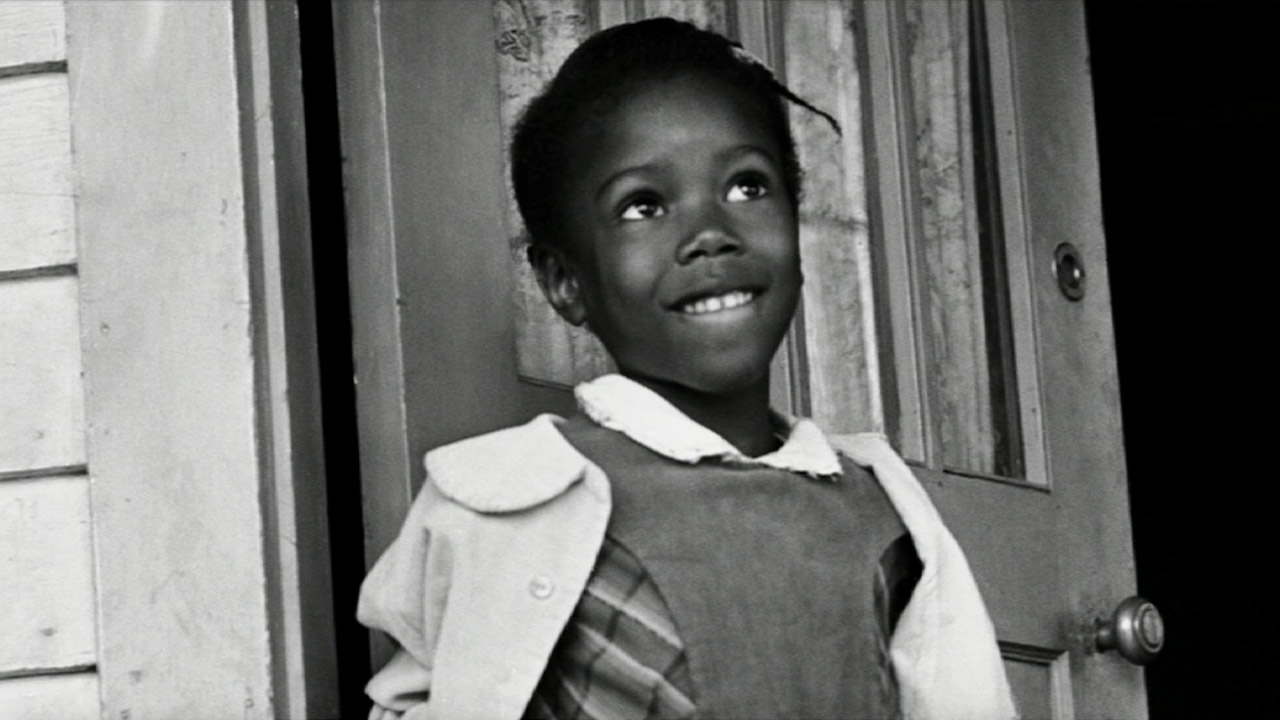
Ruby Bridges’ first day of school has been referenced in textbooks, academic research, and public exhibits. One of the most widely known visual representations of this moment is preserved in national art collections and historical archives, helping newer generations understand the significance of early school integration efforts.
Importantly, historians emphasize that Ruby Bridges’ story is not one of isolated heroism but part of a collective legal and social process involving courts, families, educators, and federal institutions working toward equal access to education.
Conclusion: Why Ruby Bridges’ Story Still Matters
More than six decades later, the events of 1960 remain relevant. Ruby Bridges’ experience illustrates how federal law, when enforced, can lead to lasting social change. It also underscores the importance of education as a foundational civil right.
Her story continues to serve as a factual, well-documented example of how systemic change occurs through legal action, community participation, and institutional accountability. By understanding this history accurately and responsibly, readers gain a clearer view of how progress in education has been shaped—and why it remains an ongoing effort.
Sources
-
National Archives and Records Administration
-
Smithsonian National Museum of African American History and Culture
-
National Park Service: Civil Rights History
-
Library of Congress
-
Ruby Bridges Foundation
-
U.S. Supreme Court Records: Brown v. Board of Education