
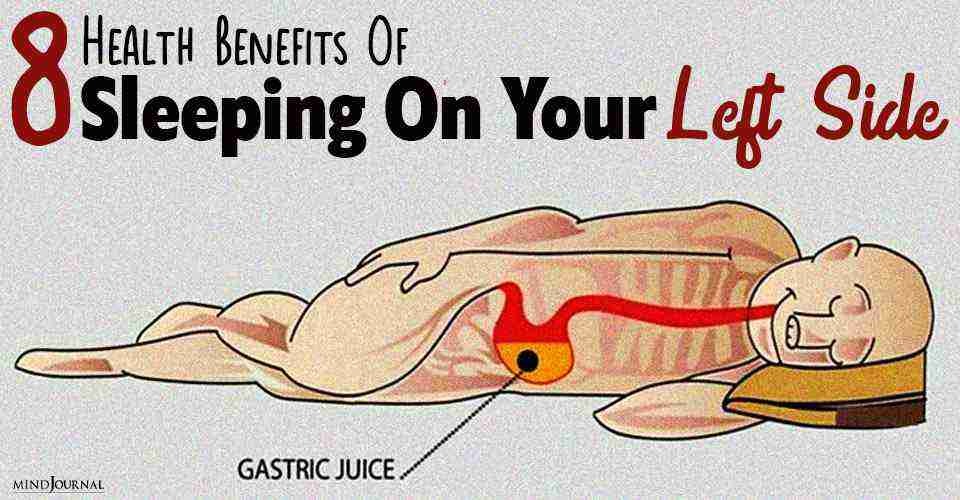
Quality sleep is essential for overall health, supporting physical recovery, cognitive performance, and emotional balance. While sleep duration and consistency are widely discussed, sleep position has also attracted attention in both medical research and popular wellness content. Among various positions, left-side sleeping is often highlighted as beneficial. But which of these claims are truly supported by science?
This article examines the evidence-based health benefits of sleeping on your left side, clearly distinguishing medically supported findings from traditional beliefs. All information presented here is grounded in reputable clinical research and established anatomical knowledge.
Why Sleep Position Matters
Although the human body appears symmetrical externally, internal organ placement is not. The heart, stomach, spleen, and portions of the digestive tract are positioned asymmetrically. Because gravity influences circulation, digestion, and reflux, body posture during sleep can affect how these systems function overnight.
Medical research does not suggest that one sleep position is universally ideal for everyone. However, left-side sleeping has been associated with specific benefits in certain populations and health conditions.
1. Reduced Nighttime Acid Reflux
One of the most consistently supported benefits of left-side sleeping is its role in reducing nighttime gastroesophageal reflux symptoms.
Clinical studies have shown that people who sleep on their left side experience fewer reflux episodes and shorter acid exposure times compared to those sleeping on their right side. This occurs because, in the left-side position, the stomach lies below the esophagus, making it less likely for stomach contents to flow upward.
This benefit is particularly relevant for individuals with gastroesophageal reflux disease (GERD), chronic heartburn, or frequent nighttime discomfort.
2. Improved Digestion After Meals
Left-side sleeping may support digestion due to the natural orientation of the stomach and intestines. The stomach curves toward the left, and the small intestine empties into the large intestine on the right side of the abdomen.
When lying on the left side, gravity can facilitate the gradual movement of food through the digestive tract. This may help reduce sensations of fullness or discomfort after eating, especially when sleep occurs several hours after a meal.
It is important to note that sleeping immediately after eating is generally discouraged, regardless of position, as it can increase reflux risk.

3. Support During Pregnancy
Medical guidelines commonly recommend side sleeping, particularly left-side sleeping, during the later stages of pregnancy.
Research has shown that lying flat on the back in late pregnancy can compress the inferior vena cava, a major vein responsible for returning blood to the heart. This compression may reduce blood flow and cause dizziness or discomfort.
Left-side sleeping can help reduce pressure on major blood vessels, support circulation, and improve comfort. While right-side sleeping is also considered acceptable, the left side is often preferred due to anatomical positioning of the uterus and liver.
Pregnant individuals should always consult healthcare providers for personalized guidance.
4. Circulatory Comfort and Cardiac Efficiency
Some research suggests that sleep position may influence how the heart manages blood flow during rest. Because the heart is positioned slightly left of center, left-side sleeping may feel more comfortable for some individuals and may support venous return.
However, it is important to clarify that no strong evidence confirms that left-side sleeping improves heart health in healthy individuals. People with certain cardiac conditions may experience discomfort on the left side due to increased awareness of heartbeats, and recommendations can vary.
Anyone with cardiovascular disease should follow advice from a medical professional rather than relying on generalized sleep-position guidance.

5. Lymphatic Drainage and Fluid Balance
The lymphatic system plays a key role in fluid balance and immune function. Some emerging research, including studies on brain fluid clearance during sleep, suggests that body posture may influence lymphatic transport.
Animal studies and early human research indicate that side sleeping may support certain clearance processes. However, there is currently no clinical evidence proving that left-side sleeping “detoxifies” the body or prevents disease.
The liver and kidneys remain the primary detoxification organs, functioning continuously regardless of sleep position.
6. Comfort for the Spleen and Abdomen
The spleen is located on the left side of the abdomen and participates in immune and blood-filtering functions. From an anatomical perspective, left-side sleeping may reduce compression in the upper abdominal area for some individuals, contributing to subjective comfort.
There is no clinical evidence that sleeping on the left directly improves spleen function, but comfort and reduced abdominal pressure may indirectly support restful sleep.

7. Bowel Movement Regularity
Gravity influences intestinal movement, and some clinicians suggest that left-side sleeping may support regular bowel function by aligning the colon in a way that facilitates waste movement.
While this theory is anatomically plausible, large-scale clinical trials are lacking, and results vary among individuals. Adequate hydration, dietary fiber, and physical activity remain far more influential factors in digestive health.
8. Overall Sleep Quality and Comfort
Ultimately, the best sleep position is one that allows for consistent, uninterrupted sleep without pain or breathing difficulties. Left-side sleeping is often recommended for people with reflux, during pregnancy, and for those who find it more comfortable due to musculoskeletal alignment.
However, side sleeping on either side can be beneficial when combined with proper pillow support to maintain spinal alignment and reduce neck or shoulder strain.
What Science Does Not Support
It is important to clarify common misconceptions. Scientific evidence does not support claims that left-side sleeping:
-
Removes toxins from the body
-
Prevents chronic diseases
-
Replaces medical treatment
-
Dramatically alters organ function
Such statements are not supported by clinical research and should be avoided in health discussions.

Conclusion
Sleeping on your left side can offer specific, evidence-supported benefits, particularly for reducing nighttime acid reflux, supporting comfort during pregnancy, and promoting digestive ease in some individuals. However, these benefits are context-dependent, and no single sleep position is universally ideal.
The most important factors for health remain adequate sleep duration, consistent sleep schedules, supportive bedding, and individualized medical guidance. Sleep position can be a helpful adjustment, but it should complement, not replace, broader sleep and lifestyle practices.
Sources
-
Journal of Neuroscience
-
Nature
-
BMC Pregnancy and Childbirth
-
Nature and Science of Sleep
-
Peer-reviewed anatomy and gastroenterology literature