


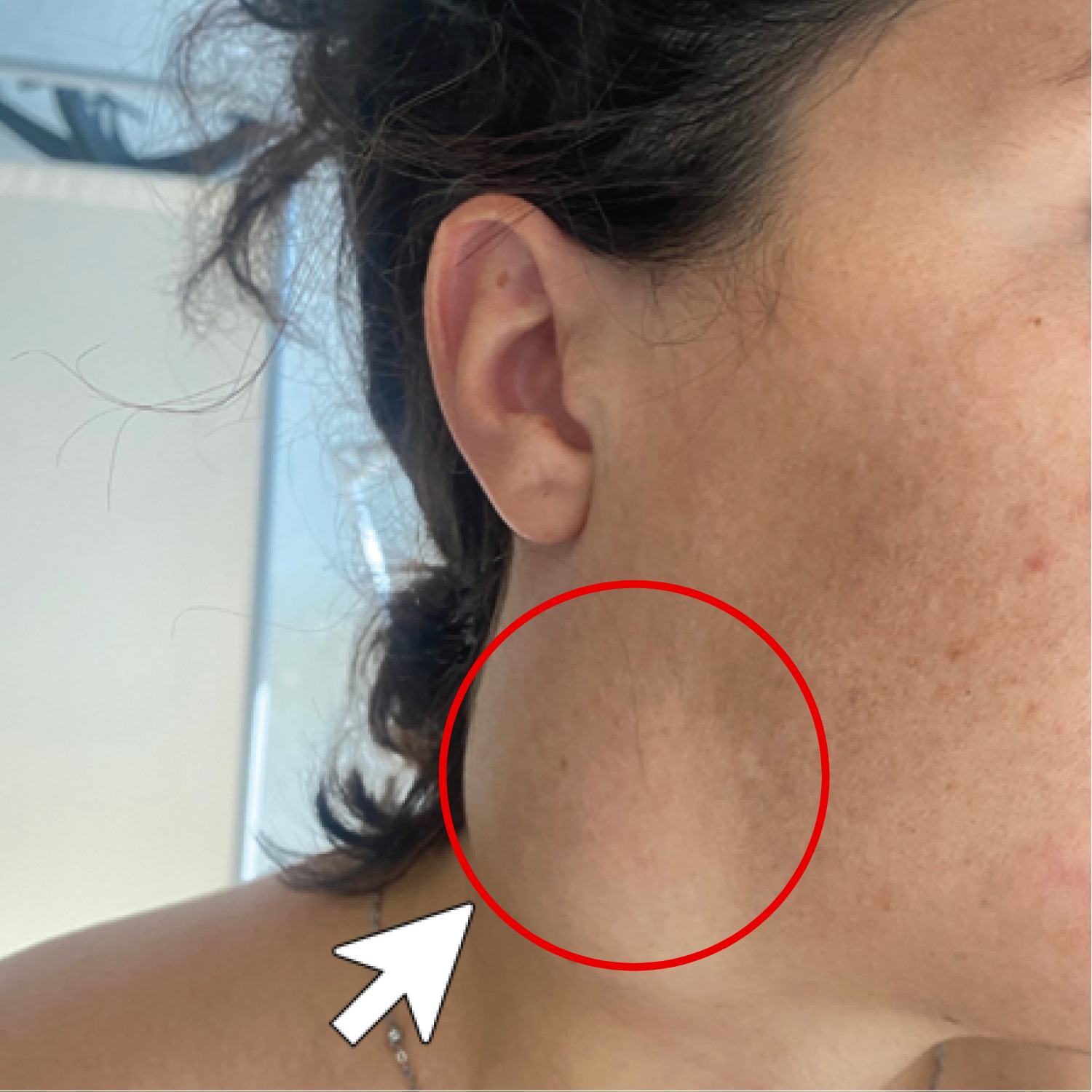

What Is a Branchial Cleft Cyst?
A branchial cleft cyst is a fluid-filled sac in the neck or collarbone region that forms when tissues from the branchial apparatus fail to disappear during fetal development. The branchial apparatus is a system of arches, clefts, and pouches that help shape the structures of the head and neck in early pregnancy. Normally, these tissues regress as the fetus matures. When they do not fully involute, remnants may persist, leading to the formation of a cyst or a sinus tract.
These cysts are benign (noncancerous) and not life-threatening, but they can cause recurrent swelling, infections, or drainage if left untreated.
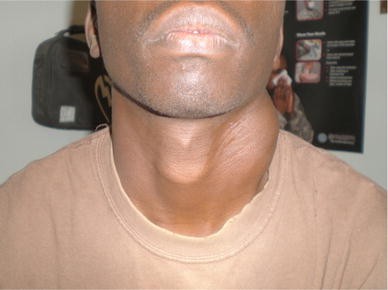
Types of Branchial Cleft Cysts
Branchial cleft cysts are categorized by the cleft from which they originate. The most common types include:
-
First branchial cleft cysts: Found near the ear or under the jaw.
-
Second branchial cleft cysts: The most common type, usually appearing in the upper or mid-neck, often just in front of the sternocleidomastoid muscle.
-
Third and fourth branchial cleft cysts: Rare, located lower in the neck or near the collarbone.
The second branchial cleft cyst accounts for the majority of cases. It often presents as a smooth, soft lump along the side of the neck and may become noticeable during childhood, adolescence, or early adulthood.
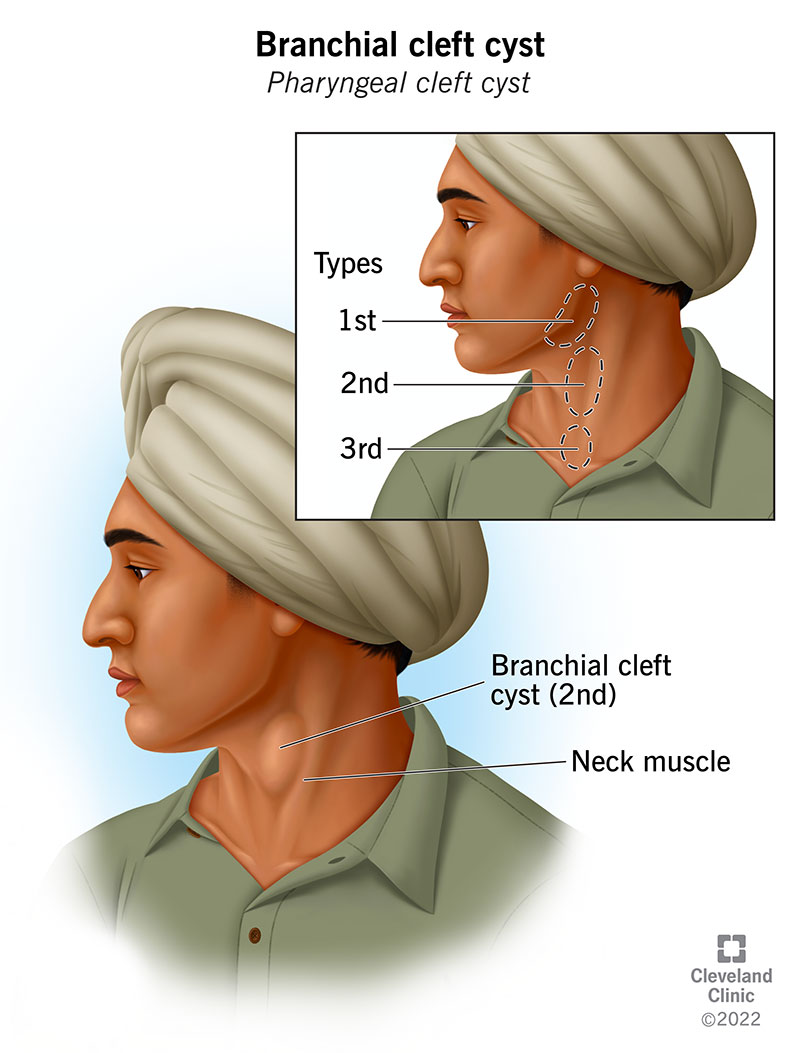
Symptoms of Branchial Cleft Cysts
Most branchial cleft cysts are painless when first noticed. Common signs and symptoms include:
-
A soft, round lump on one side of the neck
-
Swelling that becomes more prominent after an upper respiratory infection
-
Tenderness, redness, or pain if the cyst becomes infected
-
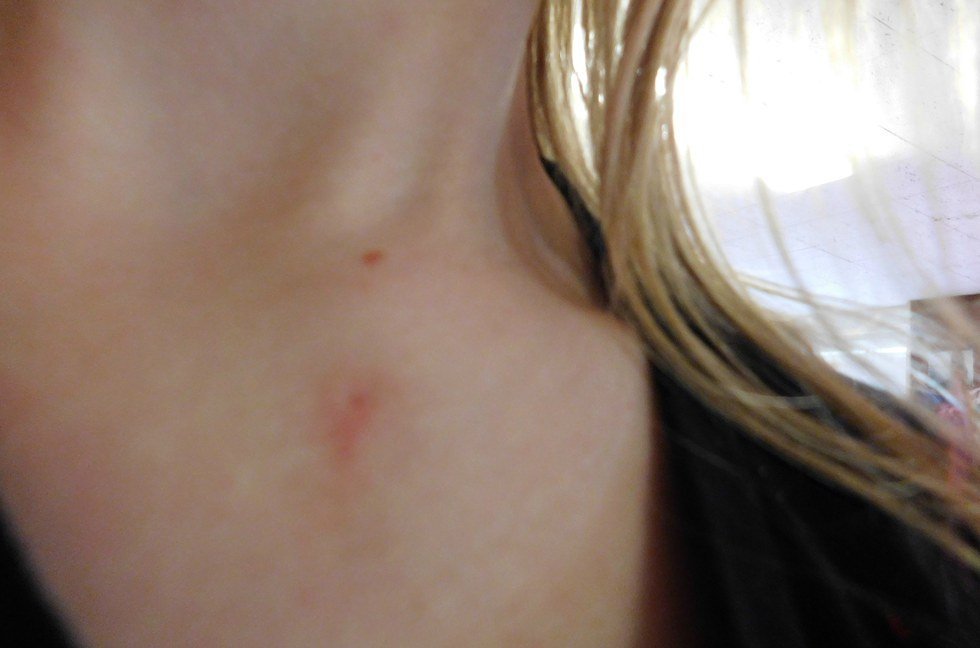
Drainage of fluid through a small opening in the skin (in cases of a sinus tract)
-
Difficulty swallowing or breathing in rare cases when the cyst is large
Because these cysts may become infected repeatedly, they often increase in size and may cause discomfort over time.
Causes and Risk Factors
The primary cause of a branchial cleft cyst is a developmental abnormality during embryogenesis. Risk factors are not genetic or lifestyle-related; rather, they are linked to incomplete regression of fetal structures. These cysts can occur in both males and females and are typically detected in childhood or adolescence.
How Branchial Cleft Cysts Are Diagnosed
Diagnosis usually begins with a physical examination, as branchial cleft cysts often have a characteristic appearance and location. To confirm the diagnosis and rule out other neck masses, doctors may recommend imaging tests such as:
-
Ultrasound: Useful for assessing cystic versus solid structures.
-
CT scan or MRI: Provides detailed images of the cyst’s size, location, and relationship to nearby neck structures.
-
Fine needle aspiration (FNA): Sometimes performed to sample the fluid and confirm that the mass is benign.
Because other conditions—such as lymph node enlargement, thyroid nodules, or rare tumors—can present as a neck mass, accurate diagnosis is essential.

Treatment Options for Branchial Cleft Cysts
The standard treatment for a branchial cleft cyst is surgical excision. Complete removal of the cyst and any associated sinus tract prevents recurrence and reduces the risk of repeated infections. Surgery is generally safe and effective, especially when performed by an experienced head and neck surgeon.
In cases where the cyst is infected, antibiotics may be prescribed first to reduce inflammation before surgery. Aspiration or drainage may provide temporary relief, but without surgical removal, the cyst often returns.
Why Surgery Is Recommended
-
Prevents recurrent infections and swelling
-
Reduces risk of abscess formation
-
Eliminates the chance of a draining sinus
-
Provides a permanent solution with low recurrence rates
Prognosis and Long-Term Outlook
Branchial cleft cysts are benign, meaning they are not cancerous. With proper treatment, most patients recover fully without complications. Rarely, untreated cysts may cause recurrent infections or significant swelling that interferes with daily activities.
Children and young adults who undergo surgical removal usually heal well, and recurrence after complete excision is uncommon.

Living With a Branchial Cleft Cyst
For parents, discovering a lump on a child’s neck can be alarming. However, it is important to remember that most branchial cleft cysts are harmless and easily treated. If your child has a persistent neck mass, consult a pediatrician or ENT (ear, nose, and throat) specialist for evaluation.
Maintaining follow-up appointments and considering surgical removal at the right time ensures the best outcome. Post-surgery, most children and adults return to normal activities quickly, with minimal scarring.
Conclusion
A branchial cleft cyst is a congenital neck abnormality caused by incomplete regression of fetal tissues during embryonic growth. While usually painless, these cysts can become infected or enlarged over time, leading to discomfort and recurrent swelling. The most common type, the second branchial cleft cyst, typically appears along the side of the neck in children or young adults.
Diagnosis involves physical examination and imaging studies, and treatment is best achieved through surgical excision to prevent recurrence. Although branchial cleft cysts are benign, early diagnosis and management can spare patients unnecessary complications.
Ultimately, recognizing the condition and seeking timely medical care provides peace of mind and restores quality of life, proving that even congenital anomalies can be safely managed with modern medicine.
Post Views: 157