

Social media platforms often present an idealized image of life after childbirth. Images of new mothers appearing fully recovered within weeks can create unrealistic expectations. In reality, postpartum recovery is a complex and highly individual process that involves physical, emotional, and hormonal changes. Increasingly, many mothers are sharing honest experiences about their post-baby bodies, and this openness is being welcomed by audiences seeking authenticity and reassurance.
The Reality of Physical Changes After Pregnancy
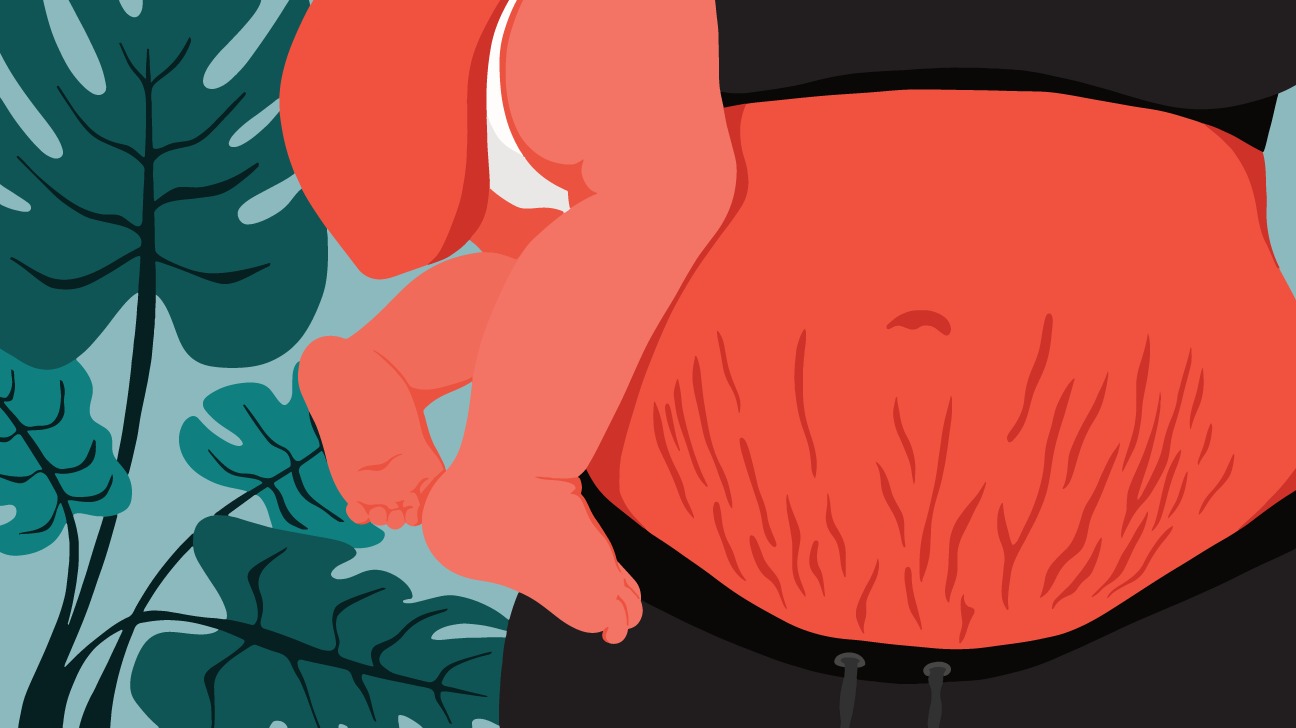
Pregnancy and childbirth place significant demands on the body. Medical professionals widely agree that postpartum physical changes are normal and expected. These changes may include alterations in skin elasticity, abdominal muscle tone, breast size and shape, and overall body composition. Stretch marks, for example, are a common result of rapid skin expansion and are experienced by a large percentage of women during or after pregnancy.
Hormonal shifts after childbirth also affect the body in noticeable ways. Levels of estrogen and progesterone drop sharply after delivery, which can influence skin texture, hair growth, and energy levels. These changes are well documented in medical literature and vary greatly from person to person.
Postpartum Recovery Is Not a One-Size-Fits-All Timeline
One of the most persistent misconceptions about postpartum recovery is the idea that the body should return to its pre-pregnancy state within a fixed timeframe. Health authorities emphasize that recovery does not follow a universal schedule. While some women may feel physically stronger within a few weeks, others may take several months or longer to regain strength, stamina, and comfort.
Factors influencing recovery include the type of delivery, overall health, age, access to postpartum care, sleep quality, and nutrition. For example, recovery after a cesarean delivery often requires additional time due to surgical healing. Pelvic floor changes may also persist for an extended period and benefit from guided rehabilitation.

The Impact of Social Media Comparisons
Social media content often highlights only carefully curated moments, which can distort perceptions of postpartum recovery. Studies in mental health and maternal well-being have shown that constant comparison to unrealistic standards can contribute to feelings of inadequacy, stress, and lowered self-esteem among new mothers.
When images focus solely on rapid physical transformation, they may unintentionally minimize the normal challenges of recovery. Health professionals encourage critical awareness of social media content and recommend focusing on medically accurate information rather than visual comparisons.
Why Honest Conversations Matter
Open discussions about postpartum bodies help normalize the wide range of recovery experiences. When mothers speak openly about ongoing physical changes, fatigue, or slow progress, they contribute to a more realistic understanding of postpartum health. This transparency can reduce stigma and encourage women to seek appropriate medical support when needed.
Public health organizations consistently emphasize that postpartum care is an essential part of maternal health, not a brief phase to be rushed through. Honest conversations reinforce the importance of follow-up care, including physical assessments and mental health screening.

Mental and Emotional Well-Being After Birth
Postpartum recovery is not limited to physical changes. Emotional adjustment is also a significant aspect of this period. Hormonal fluctuations, changes in routine, and new responsibilities can affect mood and emotional resilience. Medical guidelines stress the importance of monitoring emotional well-being and recognizing that mood changes are common after childbirth.
Support systems—such as family involvement, professional care, and peer communities—play a key role in promoting recovery. Acknowledging emotional experiences as part of postpartum health helps reduce isolation and encourages healthier coping strategies.
Letting Go of Unrealistic Standards
Health experts widely advise against placing pressure on new mothers to achieve a specific appearance or weight shortly after giving birth. Weight changes after pregnancy are influenced by many factors, including metabolism, breastfeeding, and overall health. Sustainable recovery focuses on gradual improvement rather than rapid transformation.
Accepting postpartum bodies as they are during recovery aligns with medical recommendations prioritizing long-term health over short-term appearance goals. Balanced nutrition, gentle physical activity when approved by healthcare providers, and adequate rest are consistently highlighted as foundational elements of recovery.

Building a More Supportive Postpartum Culture
Creating a supportive environment for postpartum recovery requires shifting societal expectations. When postpartum bodies are portrayed realistically, it reinforces the understanding that healing is a process, not a performance. This approach benefits not only mothers but also families and communities by promoting healthier attitudes toward maternal health.
Educational efforts by healthcare organizations continue to emphasize that postpartum changes are not signs of failure but evidence of the body adapting after pregnancy. Respecting these changes fosters confidence and encourages women to prioritize their well-being without unnecessary comparison.
Conclusion
Postpartum bodies reflect the profound physical journey of pregnancy and childbirth. Medical research and public health guidance consistently affirm that recovery is gradual, individual, and influenced by many factors. Honest discussions about postpartum changes help counter unrealistic portrayals and provide reassurance to new mothers navigating this stage of life.
By recognizing the realities of postpartum recovery and valuing health over appearance, society can create a more informed and compassionate space for mothers. Embracing accurate information and realistic expectations supports both physical and emotional well-being during this important transition.