
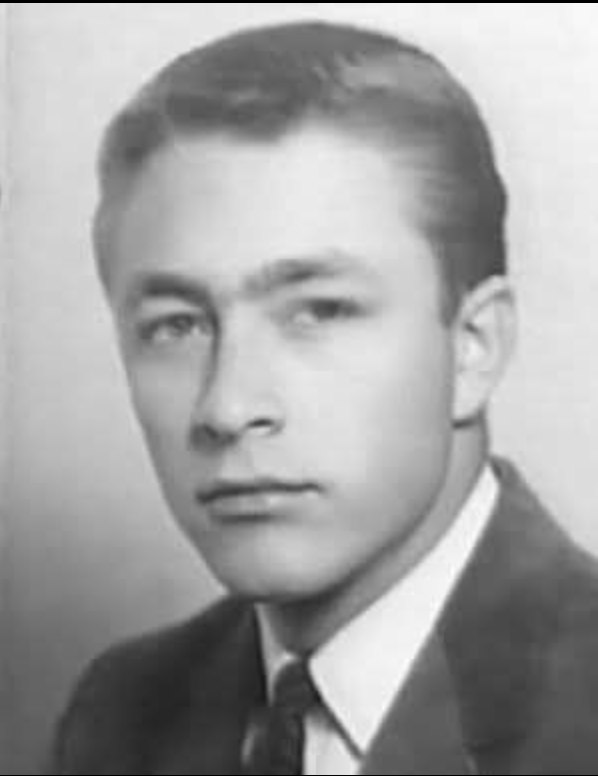
The Hidden Illness That Took This Hollywood Legend’s Life
For millions of television viewers, Bill Bixby was the face of calm intelligence, emotional restraint, and quiet decency. He was the man who made extraordinary stories feel human — whether living with an alien, raising a young son alone, or struggling with the monster inside himself.
But behind the gentle performances and long-running success was a life marked by profound personal loss, private suffering, and a devastating illness that slowly erased one of television’s most beloved figures.
A Boy Drawn to Words and Performance
Born Wilfred Bailey Everett Bixby III on January 22, 1934, in San Francisco, Bill Bixby grew up as an only child in a stable but unremarkable household. There was no show-business lineage, no industry connections, and no expectation that he would one day become a television icon.
What he did have was an early fascination with language, performance, and communication. At Lowell High School, he joined the speech and debate team, where teachers noticed something unusual — Bixby didn’t overpower a room. He invited it in.
That same quality would later define his acting style.
After briefly attending City College of San Francisco and the University of California, Berkeley, Bixby made a quiet but decisive choice. He left school to pursue acting full-time, supporting himself through modeling and commercial work. It was not glamorous, and it was not fast — but it was steady.
Breaking Through on Television
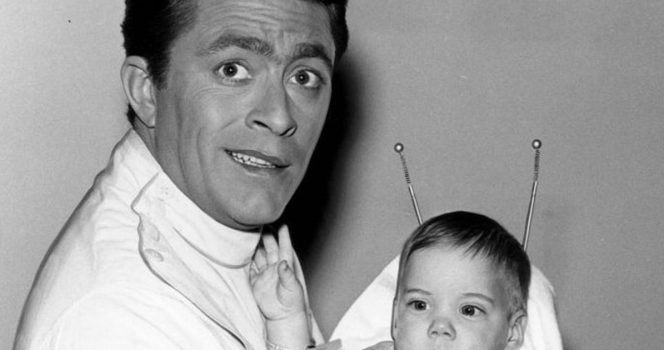
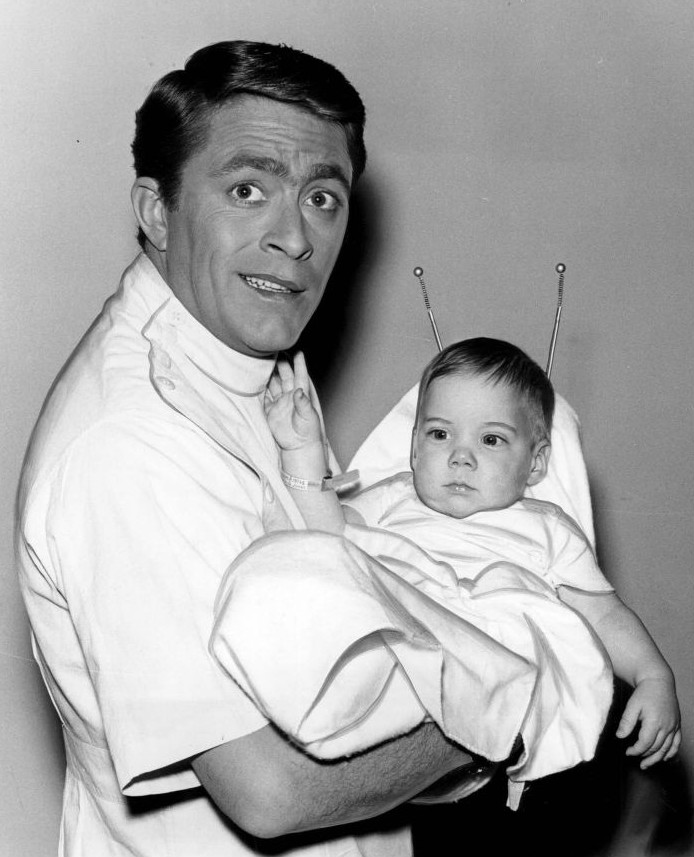
The early 1960s were a turning point. After years of small roles and auditions, Bixby landed his breakthrough role in 1963 as Tim O’Hara on My Favorite Martian. Cast opposite Ray Walston, Bixby played a skeptical newspaper reporter forced to coexist with an alien roommate.
The show’s success surprised critics, but Bixby’s appeal was undeniable. He wasn’t flashy or exaggerated. He was grounded — the straight man who made the absurd believable.
Audiences responded instantly.
The series ran for three seasons and made Bill Bixby a household name. More importantly, it established his signature screen persona: the reasonable man navigating chaos with patience and empathy.
America’s Favorite TV Father
In the late 1960s, Bixby took on a role that would further cement his emotional connection with viewers. In The Courtship of Eddie’s Father, he played Tom Corbett, a widowed single father raising his young son.
The show resonated deeply with families across America. At a time when television fathers were often distant or authoritarian, Bixby’s Tom Corbett was gentle, communicative, and emotionally present.
The role earned him three Emmy nominations and solidified his reputation as one of television’s most likable leading men.
In hindsight, the role feels tragically prophetic.
Becoming David Banner
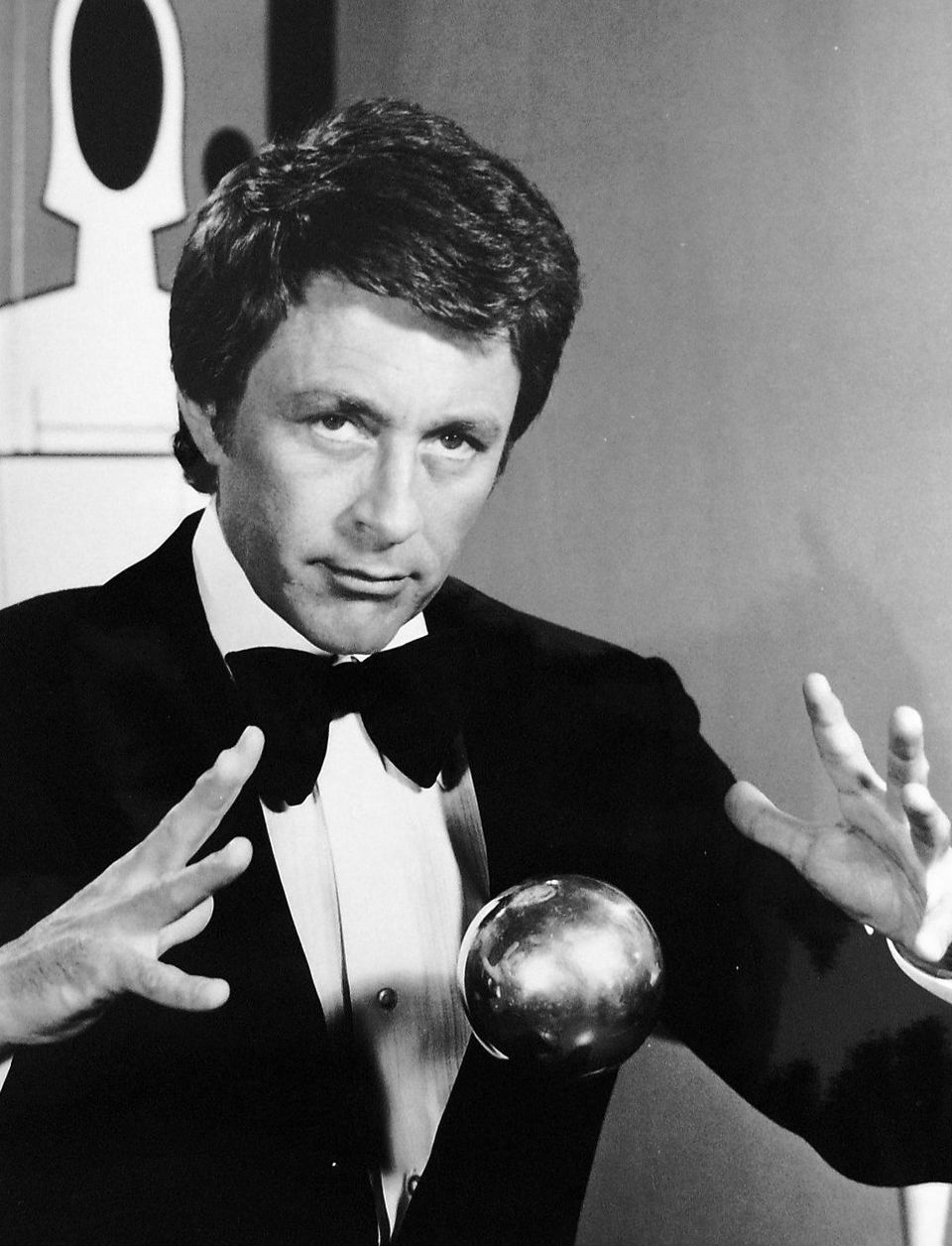
For many fans, Bill Bixby’s most iconic role came in 1978 with The Incredible Hulk. Cast as Dr. David Banner, Bixby portrayed a man haunted by trauma, anger, and the inability to control what lived inside him.
Unlike traditional superheroes, Banner was not triumphant. He was lonely, wandering, and burdened by guilt.
Bixby leaned into that sadness.
His portrayal turned what could have been a simple action series into a deeply emotional exploration of grief, repression, and isolation. Audiences didn’t just watch the Hulk — they mourned for the man who became him.
Bixby later reprised the role in three television films, directing two of them himself. By then, he was quietly transitioning into a respected behind-the-camera career.
The Tragedy That Changed Everything
In 1981, Bill Bixby’s life fractured in a way no role could prepare him for.
His six-year-old son, Christopher — whom he shared with his first wife, actress Brenda Benet — died suddenly from a rare throat infection.
The loss was catastrophic.
Friends later recalled that Bixby never truly recovered. He continued working, but something fundamental shifted. The warmth remained, but it was layered with sorrow.
Just one year later, Benet herself died. Though Bixby rarely spoke publicly about either tragedy, those close to him understood that grief had become a permanent companion.
A Quiet, Private Man
Despite being one of Hollywood’s most eligible bachelors in the 1970s, Bixby avoided the social scene. He disliked parties, avoided gossip, and guarded his private life fiercely.
He preferred weekends by the ocean, simple meals, gardening, and quiet conversations.
“I’m a very private person,” he once said. “I don’t enjoy idle chatter.”
That privacy extended to his pain.
Reinventing Himself as a Director
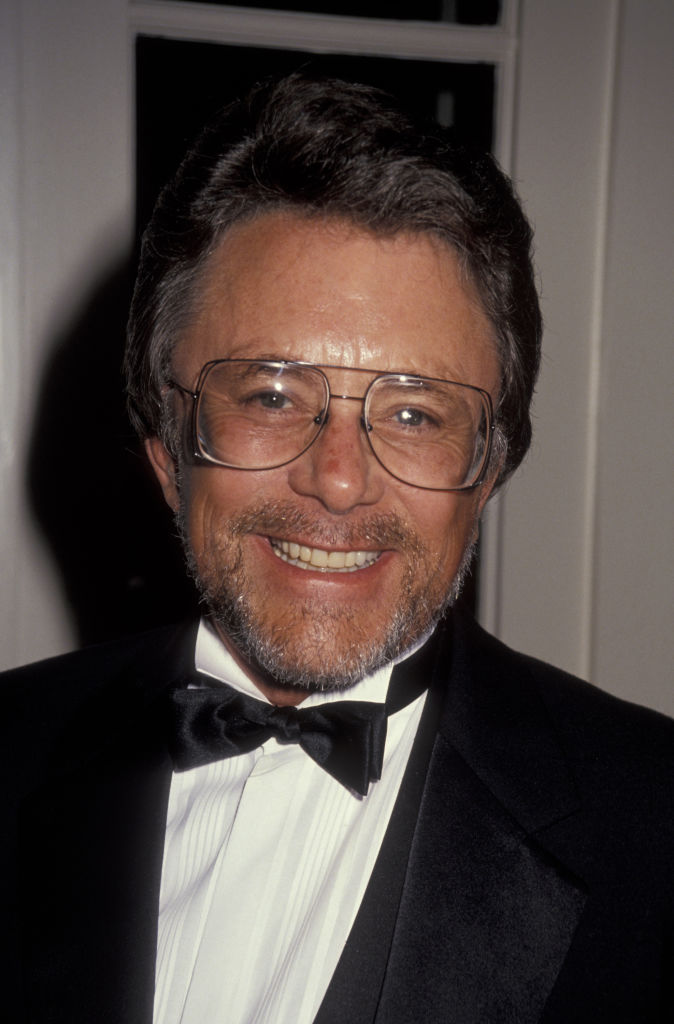
In the 1980s, Bixby increasingly stepped behind the camera. He directed episodes of Goodnight, Beantown, Sledge Hammer!, and eventually became a regular director on Blossom.
Young actors admired him. Crew members respected him. He ran sets with calm authority and deep empathy, understanding performers not as tools, but as collaborators.
Directing gave him something acting no longer could — control, focus, and purpose.
Love, Then Diagnosis
In 1990, Bixby married Laura Michaels. Their relationship ended shortly thereafter, but the following year brought news that overshadowed everything.
In 1991, Bill Bixby was diagnosed with prostate cancer.
Rather than hiding his illness, he spoke openly about it, hoping to encourage awareness and early detection. But the disease progressed aggressively.
In 1993, knowing time was limited, Bixby married artist Judith Kliban. Their relationship was described as intense, loving, and deeply present — shaped by the awareness that nothing could be taken for granted.
Working Until the End
Even as his health declined, Bixby refused to retreat. On the set of Blossom, he continued directing as long as physically possible.
Eventually, he could no longer stand for long periods. He directed from a sofa, conserving energy, refusing to surrender his identity to illness.
Those final months were painful, but also purposeful.
The Final Days
In November 1993, Bill Bixby returned home. Judith cared for him around the clock. After slipping into a coma, he passed away peacefully on November 21, 1993.
He was 59 years old.
He had once said his greatest hope was to die quietly, without prolonged suffering. That wish was granted.
A Lasting Legacy
Bill Bixby’s legacy is not defined by spectacle, scandal, or excess.
It lives in empathy.
In characters who carried grief without bitterness.
In performances that made strength look gentle.
In a career built on emotional truth rather than ego.
He showed generations of viewers that vulnerability is not weakness — and that sometimes, the strongest heroes are the ones who endure silently.
Long after the screen fades to black, Bill Bixby remains — calm, human, unforgettable.