

Concerns such as dull-looking skin, uneven tone, and visible fine lines are common as people age. These changes are influenced by a combination of natural aging, environmental exposure, and lifestyle factors. While there is no single ingredient that can stop or reverse aging, some plant-based ingredients have been studied for their potential role in supporting overall skin health. Ginger, a widely used culinary spice, is one such ingredient that has attracted attention in skin care discussions.
Used for centuries in traditional diets and wellness practices, ginger (Zingiber officinale) contains naturally occurring compounds that have been researched for their antioxidant and anti-inflammatory properties. Modern skin care science increasingly examines how these properties may contribute to maintaining healthy-looking skin when used appropriately.
This article explores what reputable research and dermatology consensus indicate about ginger’s potential benefits for skin appearance, while clearly distinguishing evidence-based information from unsupported claims.
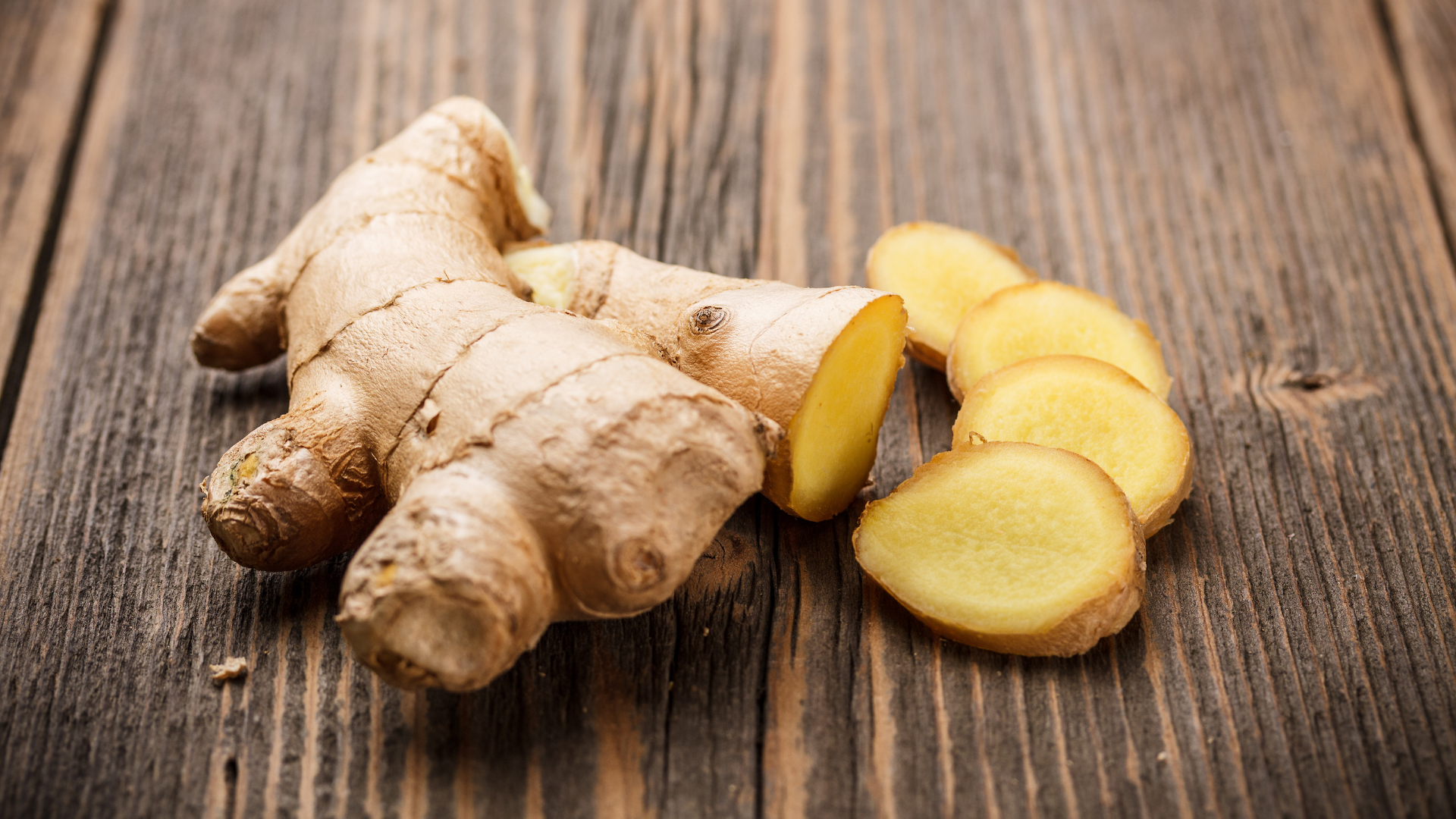
Ginger’s Antioxidant Compounds and Skin Health
One of the primary reasons ginger is discussed in skin care contexts is its antioxidant content. Ginger contains bioactive compounds such as gingerols and shogaols, which have been studied for their ability to help counter oxidative stress.
Oxidative stress occurs when unstable molecules, often referred to as free radicals, accumulate in the body due to factors like sun exposure, air pollution, and normal metabolic processes. According to dermatological research, oxidative stress can contribute to visible signs of skin aging over time, including loss of elasticity and uneven tone.
Antioxidants do not “reverse” aging, but they may help support the skin’s natural defense mechanisms by reducing the impact of environmental stressors. For this reason, antioxidants are commonly included in skin care formulations and recommended as part of a balanced lifestyle that supports skin health.
Collagen, Aging, and Ginger’s Indirect Role
Collagen is a structural protein that plays a key role in maintaining the skin’s firmness and resilience. It is well established in medical literature that collagen production naturally decreases with age. This process contributes to the appearance of fine lines and changes in skin texture over time.
Some laboratory studies suggest that antioxidant-rich plant compounds may help protect existing collagen from oxidative damage. However, it is important to clarify that there is no clinical evidence showing that topical or dietary ginger directly increases collagen production in human skin.
Instead, ginger’s potential value lies in its supportive role. By helping reduce oxidative stress, antioxidants may contribute to maintaining the skin’s existing structure when combined with sun protection, proper hydration, and a healthy diet.

Skin Tone and the Appearance of Dark Spots
Uneven skin tone and the appearance of dark spots are influenced by multiple factors, including sun exposure, hormonal changes, and inflammation. Some plant-based ingredients are researched for their ability to support a more even-looking complexion.
Preliminary research suggests that ginger extracts may influence certain pathways involved in pigmentation when studied in controlled laboratory settings. However, dermatologists caution that results from laboratory studies do not always translate directly to visible effects on human skin.
When used gently and appropriately, ginger-based products may contribute to overall skin clarity by supporting calm, well-balanced skin. That said, ginger should not be considered a treatment for pigmentation disorders, and individuals with persistent concerns should consult a qualified skin care professional.
Topical Use: Safety and Considerations
Ginger is sometimes used in home-based skin care routines, but it is important to approach topical use with caution. Fresh ginger contains active compounds that can be stimulating to the skin. For some individuals, this may cause irritation, especially on sensitive skin.
Dermatology guidelines recommend the following precautions:
-
Always perform a patch test before applying any new ingredient to the face
-
Avoid applying ginger directly to broken or irritated skin
-
Limit contact time and discontinue use if discomfort occurs
Commercial skin care products that contain ginger extract are typically formulated at concentrations designed to minimize irritation while maintaining stability and safety.
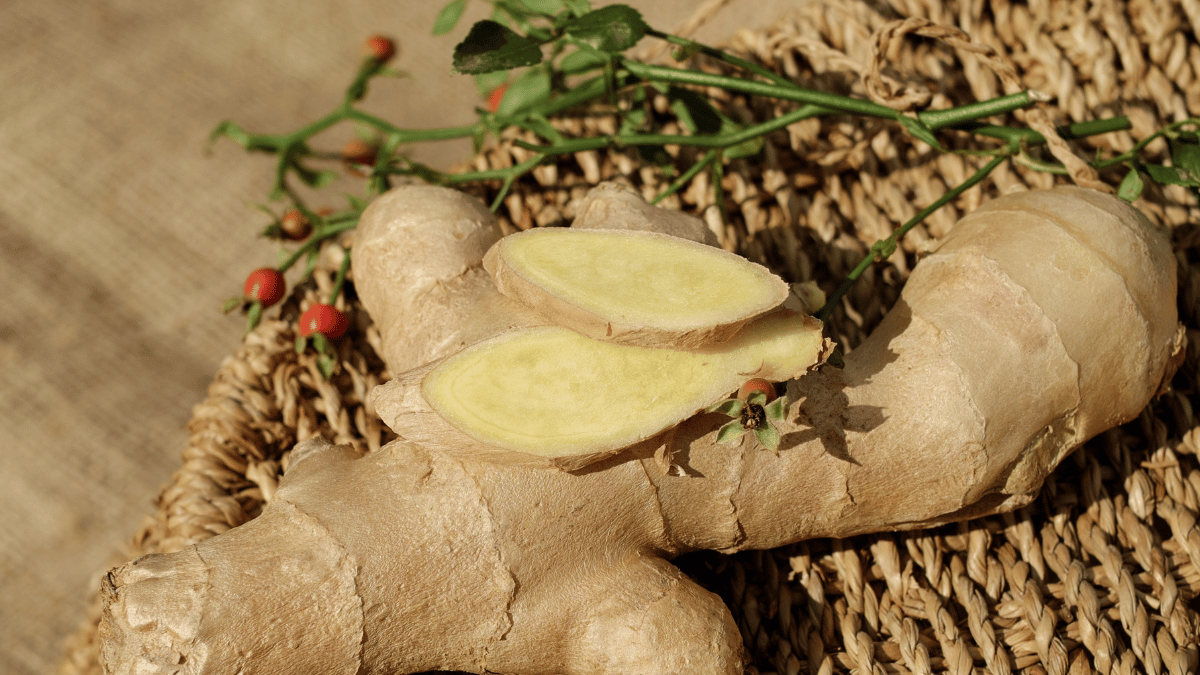
Ginger in Exfoliation and Cleansing Routines
Exfoliation helps remove surface-level dead skin cells, which can contribute to a brighter, smoother appearance. Physical exfoliation methods, including scrubs made with natural ingredients, can be effective when used gently and infrequently.
Ginger is sometimes included in exfoliating products due to its aromatic qualities and plant-based origin. However, exfoliation benefits come primarily from the physical action of the exfoliant rather than ginger itself.
Dermatologists recommend exfoliating no more than one to two times per week, using gentle techniques to avoid disrupting the skin barrier.
Diet, Ginger, and Skin Appearance
Beyond topical use, ginger is widely consumed as part of a balanced diet. Nutrition research consistently shows that diets rich in fruits, vegetables, and plant-based compounds are associated with better overall skin appearance.
Ginger can contribute to dietary variety and provides naturally occurring antioxidants. While no single food guarantees visible skin changes, overall dietary patterns play a role in skin hydration, texture, and tone.
Health organizations emphasize that long-term skin health is influenced by multiple factors, including nutrition, sun protection, sleep quality, and stress management.

What Ginger Can and Cannot Do for Skin
Based on current scientific understanding:
-
Ginger may help support skin health due to its antioxidant properties
-
It may complement a broader skin care routine focused on protection and hydration
-
It does not replace sunscreen, medical treatments, or dermatologist-recommended products
-
It should not be presented as a cure, treatment, or guaranteed solution for aging-related skin changes
Responsible skin care information avoids overstating results and focuses on realistic, evidence-based expectations.
Conclusion
Ginger is a well-known culinary ingredient with a long history of use and a growing body of scientific research exploring its properties. In skin care discussions, its antioxidant compounds are of interest for their potential role in supporting healthy-looking skin.
When used thoughtfully—either as part of a balanced diet or in carefully formulated topical products—ginger may complement a broader approach to skin care that prioritizes sun protection, gentle cleansing, and overall wellness.
For individuals considering new skin care practices, consulting reputable sources and qualified professionals remains the most reliable path to informed decisions.