
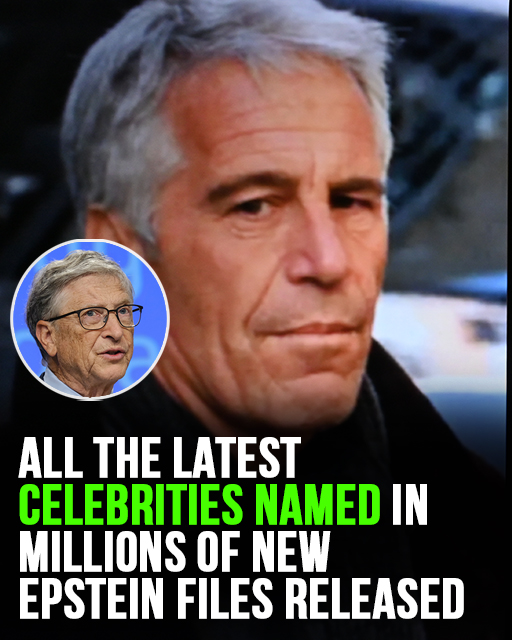
A newly released collection of documents linked to the late financier Jeffrey Epstein has once again pushed his name—and the names of many powerful figures—back into global headlines. The materials, numbering in the millions of pages, were made public by the U.S. Department of Justice as part of the final disclosure related to long-running investigations and civil proceedings connected to Epstein’s network.
The scale of the release is unprecedented. Emails, contact logs, travel discussions, photographs, and draft correspondence now offer a broader view of Epstein’s interactions with politicians, business leaders, celebrities, and legal professionals over several decades. Importantly, the appearance of a name in these files does not equate to an allegation of criminal conduct. Many individuals mentioned have denied wrongdoing, emphasized limited or professional contact, or stated they rejected Epstein’s invitations.
What the documents do provide is a clearer picture of how deeply Epstein attempted to embed himself within elite social and professional circles—and how aggressively he pursued association with power.
Why this release matters
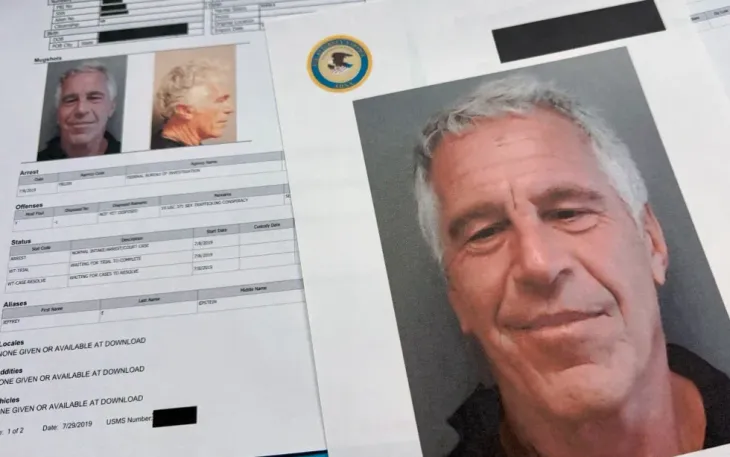
Epstein’s crimes are well-documented, and he died in custody in 2019 while facing federal charges related to sex trafficking. Since then, courts have overseen the gradual release of records tied to civil lawsuits, victim compensation processes, and investigative files. The latest disclosure represents one of the final large-scale releases, closing a chapter that has unfolded slowly through years of legal review.
Legal experts stress that these records are raw materials, not verdicts. Some messages were drafted by Epstein himself, others were never acted upon, and many contain self-serving exaggerations that benefited him socially. Epstein was known to inflate his importance, overstate relationships, and position himself as a connector between influential people.
Understanding that context is essential when evaluating the contents.
Hollywood figures and disputed encounters
Among the figures mentioned in the documents is Brett Ratner, a Hollywood director and producer. Photographs place him at Epstein’s Manhattan townhouse alongside Epstein and Jean-Luc Brunel, who died in custody in 2022 while facing sex-related charges in France.
Ratner had previously stated publicly that he did not know Epstein personally and had never met him. The presence of photographs has raised questions about the accuracy of that claim, though no criminal accusations have been made against Ratner in the Epstein matter. Legal observers note that social presence alone does not establish wrongdoing, but it does complicate earlier public denials.
Technology leaders and email correspondence
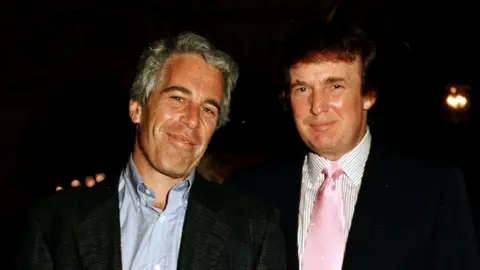
The documents also include references to Elon Musk, primarily through email exchanges initiated by Epstein. These messages show Epstein attempting to arrange meetings, travel, and social visits, including proposed trips to his private island and contact involving Musk’s companies.
Musk has publicly stated that he declined Epstein’s invitations and never visited his island or aircraft. He has characterized Epstein as persistent and has said he was aware that any communication could later be misrepresented. No evidence in the released files contradicts Musk’s denial of visiting Epstein-controlled properties.
Similarly, Bill Gates appears in Epstein-drafted correspondence that makes claims about personal behavior. Gates’ representatives have firmly rejected these assertions, describing them as false and noting that Epstein had a history of making unverified or fabricated claims about influential individuals.
Legal analysts point out that Epstein often used the suggestion of access or leverage to enhance his perceived value—particularly when seeking relevance among powerful figures.
Business figures and private islands
The files reference communications with Richard Branson, co-founder of the Virgin Group. Emails show a polite exchange following a business-related visit to Branson’s island, including casual language that has since drawn scrutiny.
A spokesperson for Branson confirmed that the interaction occurred in a professional context and emphasized that Branson has condemned Epstein’s crimes and supports accountability for victims. No allegations of misconduct involving Branson appear in the documents.
These exchanges illustrate a recurring theme: Epstein sought proximity to wealth and influence, often framing routine or brief encounters as deeper relationships than they were.
Royal connections revisited
The documents also renew attention on Prince Andrew, whose association with Epstein has been extensively reported for years. Emails and photographs suggest invitations and social contact dating back to 2010.
Prince Andrew has consistently denied wrongdoing. He settled a civil lawsuit brought by Virginia Giuffre in 2022 without admitting liability. Giuffre, who had accused multiple figures of abuse connected to Epstein, died in 2025. The new records do not introduce new allegations against Andrew but reinforce previously known associations that continue to draw public scrutiny.
Legal professionals and ethical questions
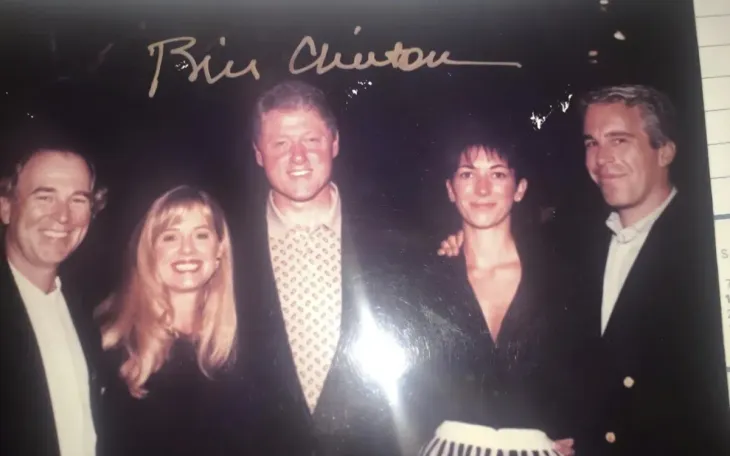
One of the more surprising names appearing in the files is Kathryn Ruemmler, a former White House counsel who later joined the private sector. Messages indicate she received gifts and maintained communication with Epstein in a professional capacity.
Ruemmler has stated that she regrets ever knowing Epstein and has expressed sympathy for victims. Legal ethicists note that while accepting gifts from a client or contact can raise concerns, such conduct must be evaluated within professional standards and documented agreements. No criminal accusations have been made against her.
Other figures named in the records
Additional names appearing in various contexts include Sergey Brin, Howard Lutnick, and Steve Tisch. In each case, the documents reference meetings, emails, or planning discussions.
Most individuals named have either declined comment or issued statements emphasizing limited contact and denying any involvement in wrongdoing. Legal experts reiterate that Epstein maintained extensive contact lists and often inserted himself into conversations without reciprocal engagement.
The Melania Trump email
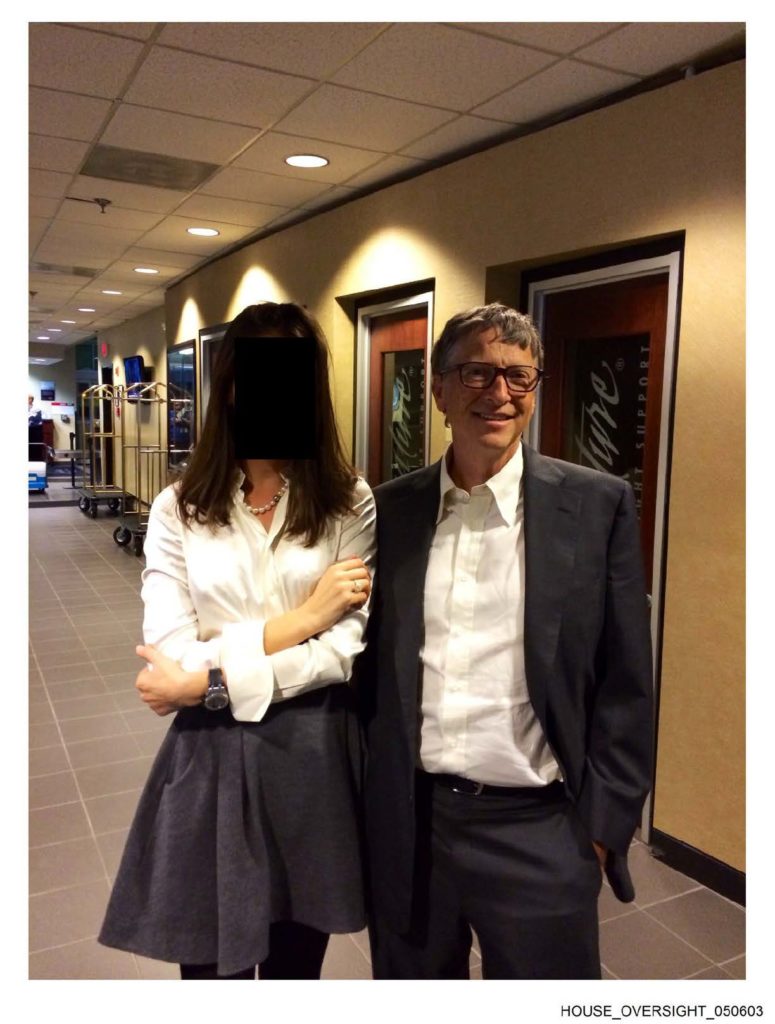
One early email from 2002 shows Melania Trump praising a magazine profile related to Epstein. The recipient’s identity is redacted, though context suggests it may have been sent to Ghislaine Maxwell, Epstein’s longtime associate.
The message predates Epstein’s later criminal convictions by several years. No allegations of misconduct are connected to Melania Trump in the documents, and the correspondence appears social rather than substantive.
What the documents reveal overall
Taken as a whole, the final Epstein files do not function as a list of crimes. Instead, they reveal patterns:
-
Epstein actively cultivated relationships with influential people
-
He exaggerated connections to elevate his status
-
Many invitations were declined or ignored
-
Proximity does not equal participation
For investigators and historians, the value lies in understanding how Epstein operated socially—how he positioned himself as indispensable, how he blurred professional and personal boundaries, and how power structures can be exploited by individuals acting in bad faith.
Why caution matters now

Legal scholars warn against treating document dumps as moral verdicts. Naming individuals without context risks conflating association with accusation, which can undermine due process and distract from the central issue: accountability for Epstein’s crimes and justice for victims.
At the same time, transparency has value. The public has a legitimate interest in understanding how a convicted offender moved within elite circles for so long with limited scrutiny.
The larger lesson
The Epstein case continues to serve as a reminder that power, wealth, and reputation can create blind spots—both institutional and personal. The newly released documents do not rewrite history, but they add detail to an already troubling picture.
They show how influence can be leveraged, how access can be overstated, and how important it is to distinguish evidence from implication.
As this chapter closes, attention is increasingly shifting away from speculation and toward prevention: strengthening safeguards, listening to victims, and ensuring that future systems do not allow similar abuse of trust to flourish behind closed doors.
That, more than any list of names, is the most enduring takeaway from the final Epstein files.