
In a world obsessed with calories, superfoods, and the latest diet trends, one simple factor is often overlooked: timing. Many people carefully choose what goes on their plate but rarely stop to think about when they eat. Yet emerging research and long-standing biological principles suggest that meal timing plays a meaningful role in how our bodies use energy, manage hunger, and maintain balance throughout the day.
Rather than being about strict rules or extreme schedules, eating at the right times is about working with your body instead of against it. By understanding how internal rhythms influence digestion and metabolism, you can make small adjustments that may support steadier energy, better focus, and long-term well-being.

Why Meal Timing Matters More Than You Think
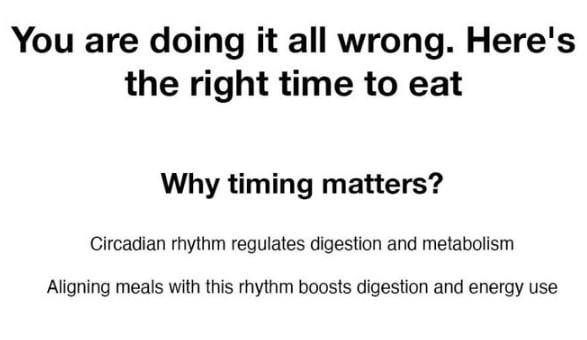
The human body runs on an internal timekeeping system known as the circadian rhythm. This roughly 24-hour cycle helps regulate sleep, hormone release, body temperature, and digestion. When you eat in sync with this rhythm, your body is generally better equipped to process food efficiently.
Scientific studies suggest that metabolism is more active earlier in the day. Insulin sensitivity, which affects how the body handles carbohydrates, also tends to be higher in the morning and early afternoon. Eating most of your food during these hours may help the body manage energy more effectively, while consistently eating late at night may interfere with natural metabolic patterns.
This does not mean that occasional late meals are harmful. Rather, it highlights how regular habits can influence how energized or sluggish you feel over time.
The Best Time to Eat Breakfast
Breakfast helps signal to your body that the day has begun. After hours of rest, eating soon after waking can support stable energy levels and reduce extreme hunger later in the day.
Many nutrition experts suggest having breakfast within one to two hours of waking. For people with traditional schedules, this often falls between 7:00 and 9:00 AM. A balanced breakfast that includes protein, fiber, and healthy fats can help maintain steady blood sugar and improve concentration through the morning.
Skipping breakfast is not harmful for everyone, but for many people it can lead to overeating later or mid-morning fatigue. Paying attention to how your body responds is key.

Timing Lunch for Sustained Energy
Lunch plays an important role in keeping energy levels steady through the afternoon. Eating too early may leave you hungry later, while eating too late can result in sluggishness or difficulty focusing.
An ideal window for lunch is often between 12:00 and 2:00 PM. During this time, digestion and metabolism are still relatively active, making it easier for the body to use nutrients efficiently. A lunch that includes lean protein, complex carbohydrates, and vegetables can help prevent the familiar afternoon energy dip.
Taking a short break to eat mindfully, rather than rushing through lunch, may also support better digestion and satisfaction.
Dinner Timing and Evening Digestion
Dinner timing is one of the most discussed aspects of meal scheduling. Eating too close to bedtime can interfere with sleep quality for some people, as digestion remains active when the body should be winding down.
Many health professionals recommend finishing dinner at least two to three hours before going to bed. For most people, this places dinner somewhere between 6:00 and 8:00 PM. Earlier dinners may better align with circadian rhythms and support overnight recovery.
Lighter evening meals that focus on vegetables, whole foods, and moderate portions can feel more comfortable and reduce late-night discomfort or restlessness.
Smart Snacking and Hunger Cues
Snacking is not inherently unhealthy. When done thoughtfully, it can help maintain energy levels and prevent extreme hunger at meals. The key is timing and intention.
Mid-morning and mid-afternoon snacks, such as around 10:00 AM or 3:00 PM, often work well for people with longer gaps between meals. Choosing snacks that combine protein and fiber, such as fruit with nuts or yogurt, can promote longer-lasting satisfaction.
It is also important to distinguish between physical hunger and habitual or emotional snacking. Pausing to check in with your body can help guide better choices.
.webp)
How Meal Timing Affects Metabolism and Energy
Meal timing influences how the body allocates energy throughout the day. Larger meals earlier in the day may better match natural energy demands, while smaller, lighter meals in the evening can support rest.
Some research suggests that consistent meal schedules may also support metabolic health by reinforcing circadian rhythms. Irregular eating patterns, especially late at night, may disrupt these rhythms over time.
It is important to note that individual needs vary. Work schedules, sleep patterns, and personal health factors all influence what timing works best.
Finding a Routine That Works for You
There is no single “perfect” eating schedule that applies to everyone. Shift workers, early risers, and night owls may all need different approaches. The goal is not perfection, but consistency and awareness.
Start by observing when you feel most hungry, most energetic, and most focused. Gradually adjust meal times to better align with those patterns, rather than making drastic changes overnight.

A Thoughtful Perspective on Eating and Time
Eating is not just about nutrients; it is also about rhythm, routine, and how we care for ourselves in busy lives. Paying attention to when you eat can deepen your understanding of your body and help you make choices that feel supportive rather than restrictive.
In the end, meal timing is another reminder that health is rarely about extremes. It is built through small, consistent habits and a willingness to listen to what your body is telling you each day.
Sources
Harvard T.H. Chan School of Public Health. Circadian rhythms and eating patterns
National Institutes of Health. Metabolism and biological clocks
Cleveland Clinic. Meal timing and metabolic health
RemedyDaily.com educational health content
RemedyDaily.com does not provide medical advice, diagnosis, or treatment.