
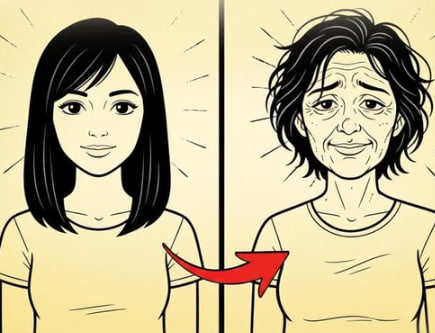
Most people assume that appearance is largely determined by genetics. Bone structure, facial shape, and skin tone often feel like things we are simply born with. While genetics do play a role, research and everyday observation suggest that daily habits can have an equally powerful influence on how we look over time.
What makes this topic especially important is that many of these habits are subtle. They do not feel harmful in the moment. Yet when repeated daily, they can influence skin quality, facial balance, posture, and even the way others perceive our confidence and energy.
The good news is that habits are changeable. Small adjustments, practiced consistently, can gradually improve both appearance and overall well-being. This article explores seven common behaviors that may be affecting how you look without you realizing it, along with practical, science-informed ways to improve them.
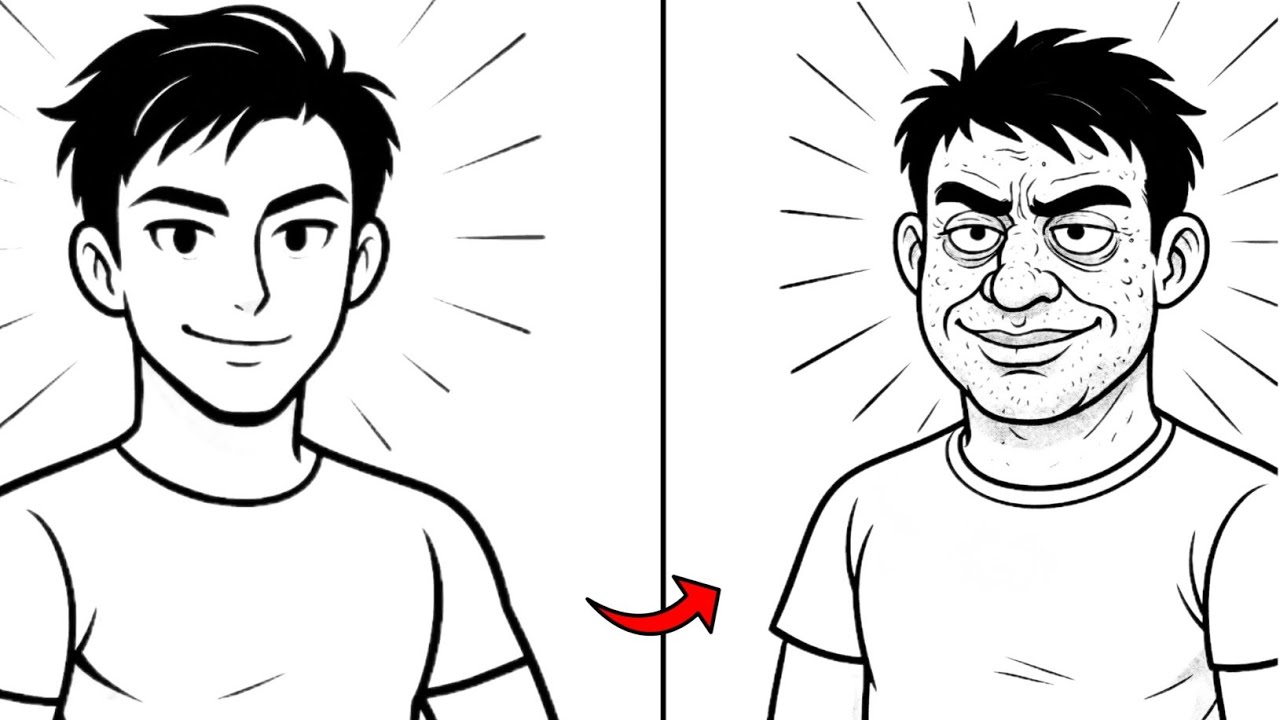
Why Daily Habits Matter More Than You Think
The human body adapts to what it experiences most often. Skin responds to touch and exposure. Muscles adapt to repeated movement or lack of movement. Posture forms based on how we sit, stand, and rest day after day.
Unlike sudden changes, habit-driven effects tend to appear slowly. This makes them easy to ignore until they become noticeable. Understanding these patterns allows you to intervene early and redirect them in healthier ways.
Habit 1: Frequently Touching Your Face Without Noticing
Touching your face is one of the most common unconscious habits. People rest their chin on their hands, rub their forehead while thinking, or touch their cheeks when stressed.
From a scientific perspective, this habit matters because hands carry oil, dirt, and bacteria picked up from everything we touch. When transferred to facial skin, these substances can contribute to irritation, clogged pores, and uneven texture.
Over time, frequent touching may disrupt the skin’s natural barrier, making it more prone to sensitivity and breakouts.
A simple improvement strategy is awareness. Reducing face touching does not require perfection, just gradual mindfulness. Keeping hands occupied, maintaining clean hands, and using tissues instead of fingers when necessary can all help protect skin health.

Habit 2: Chewing on Only One Side of Your Jaw
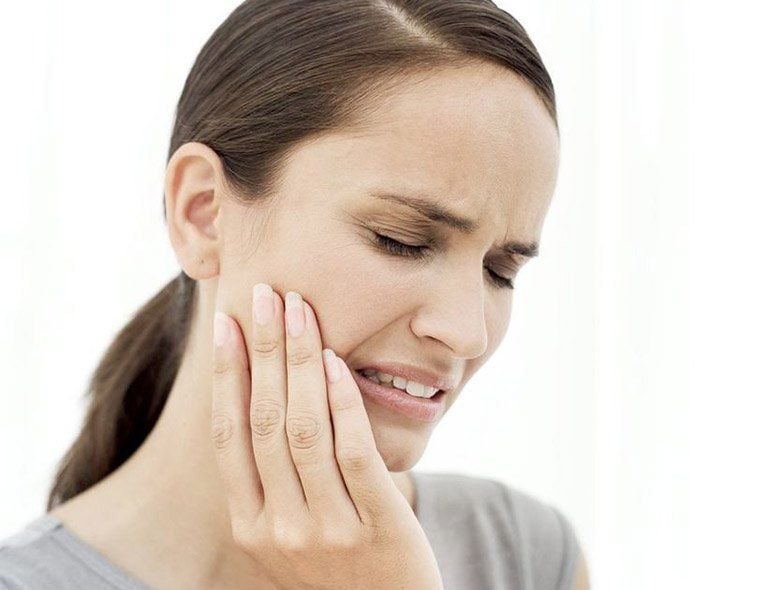
Many people favor one side of their mouth when chewing, often without realizing it. While this may feel comfortable, consistently using only one side can place uneven stress on facial muscles and jaw joints.
Over time, this imbalance may contribute to jaw tension and subtle asymmetry in muscle tone. While faces are naturally asymmetrical, habits can exaggerate those differences.
Dentists and physical therapists often recommend alternating chewing sides to promote balanced muscle use. Being mindful during meals and occasionally switching sides can help distribute muscle activity more evenly and reduce tension.
Habit 3: Consuming Too Much Caffeine Without Enough Hydration
Caffeine is deeply embedded in modern routines, from morning coffee to afternoon energy drinks. In moderate amounts, it can improve alertness and mood. However, excessive caffeine intake without sufficient hydration may influence appearance in subtle ways.
Caffeine has mild diuretic properties, meaning it can contribute to fluid loss if not balanced with water intake. Dehydrated skin may appear dull, less elastic, and more prone to showing fine lines. Under-eye areas, in particular, can look darker or more tired when hydration is low.
The solution is not necessarily eliminating caffeine, but balancing it. Drinking water alongside caffeinated beverages and moderating overall intake can support healthier-looking skin and better energy levels.

Habit 4: Spending Excessive Time Lying in Bed Outside of Sleep
Rest is essential, but spending long periods lying in bed while awake can affect posture, circulation, and energy levels. When the body remains inactive for extended periods, muscles that support posture receive less stimulation.
Over time, this may contribute to slouching, rounded shoulders, and reduced physical presence. Posture plays a significant role in how a person is perceived, often influencing impressions of confidence and vitality.
A helpful approach is separating rest from inactivity. Using the bed primarily for sleep and creating other comfortable spaces for reading or relaxation encourages healthier movement patterns throughout the day.

Habit 5: Poor Posture During Daily Activities
Posture affects far more than spinal health. It influences breathing, muscle tone, and how the face and neck are positioned. Slouching can shorten certain muscles while weakening others, subtly altering body alignment.
Forward head posture, common among people who spend long hours on phones or computers, can also affect how the neck and jaw appear. Over time, this positioning may contribute to tension and a more fatigued look.
Improving posture does not require rigid correction. Gentle reminders, ergonomic adjustments, and light strengthening exercises can gradually retrain the body into a more balanced alignment.

Habit 6: Avoiding Sunlight Completely
Sun exposure is a sensitive topic, and caution is justified. Excessive sun exposure can damage skin, but avoiding sunlight entirely can also have unintended effects.
Brief, protected exposure to natural light helps regulate circadian rhythms, supports vitamin D production, and may contribute to healthier skin tone and overall vitality. Lack of sunlight has been linked in some studies to lower energy levels and mood changes, which can indirectly influence appearance.
The key is moderation. Short periods of sunlight with appropriate protection, such as sunscreen and timing exposure outside peak hours, can support general health without increasing risk.

Habit 7: Chronic Stress Without Recovery
Stress is not always visible immediately, but its long-term effects often show on the face and body. Chronic stress can influence hormone levels, sleep quality, and inflammation, all of which affect skin and posture.
Tension often manifests in the jaw, forehead, and shoulders. Over time, this tension may create a perpetually strained or tired appearance.
Managing stress does not mean eliminating it, but creating recovery moments. Simple practices like walking, breathing exercises, stretching, or short breaks from screens can help the body return to a more relaxed state.

Are These Effects Permanent?
One of the most encouraging findings from health and behavioral research is that many habit-related changes are reversible. The body responds positively to improved routines, often faster than expected.
Skin can regain brightness with better hydration and care. Muscles can rebalance when posture improves. Energy and presence can shift when stress is better managed.
Consistency matters more than intensity. Small changes practiced daily tend to produce more lasting results than extreme short-term efforts.
Appearance as a Reflection of Daily Care
True self-care is not about perfection or expensive solutions. It is about awareness and small adjustments that respect the body’s natural systems. Appearance often reflects how we treat ourselves over time, not how much we try to change ourselves.
When habits support health, appearance tends to follow naturally.
A Reflection on Awareness and Human Curiosity
Human curiosity drives us to ask why things change and how they can improve. Noticing small patterns in daily life is part of that curiosity. These habits are not flaws, they are signals. They offer insight into how the body adapts and how gently guiding it can lead to positive change.
By paying attention to daily choices, we gain more than aesthetic benefits. We build a deeper connection with ourselves, one habit at a time.
Sources
American Academy of Dermatology
National Institutes of Health
Harvard Health Publishing
Cleveland Clinic
Mayo Clinic