
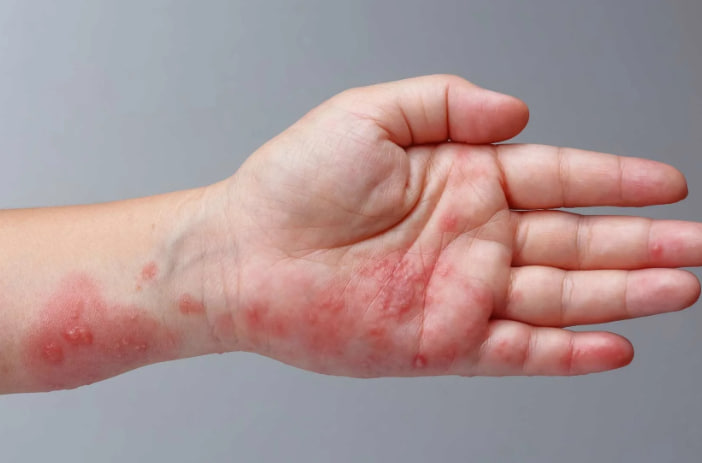
Understanding the potential causes of itchy and red hands under gloves is key to finding temporary relief. From allergies to irritations, there are several possibilities to explore. Meanwhile, taking proactive steps such as using specific creams or choosing the right glove materials can make a significant difference in alleviating your symptoms.
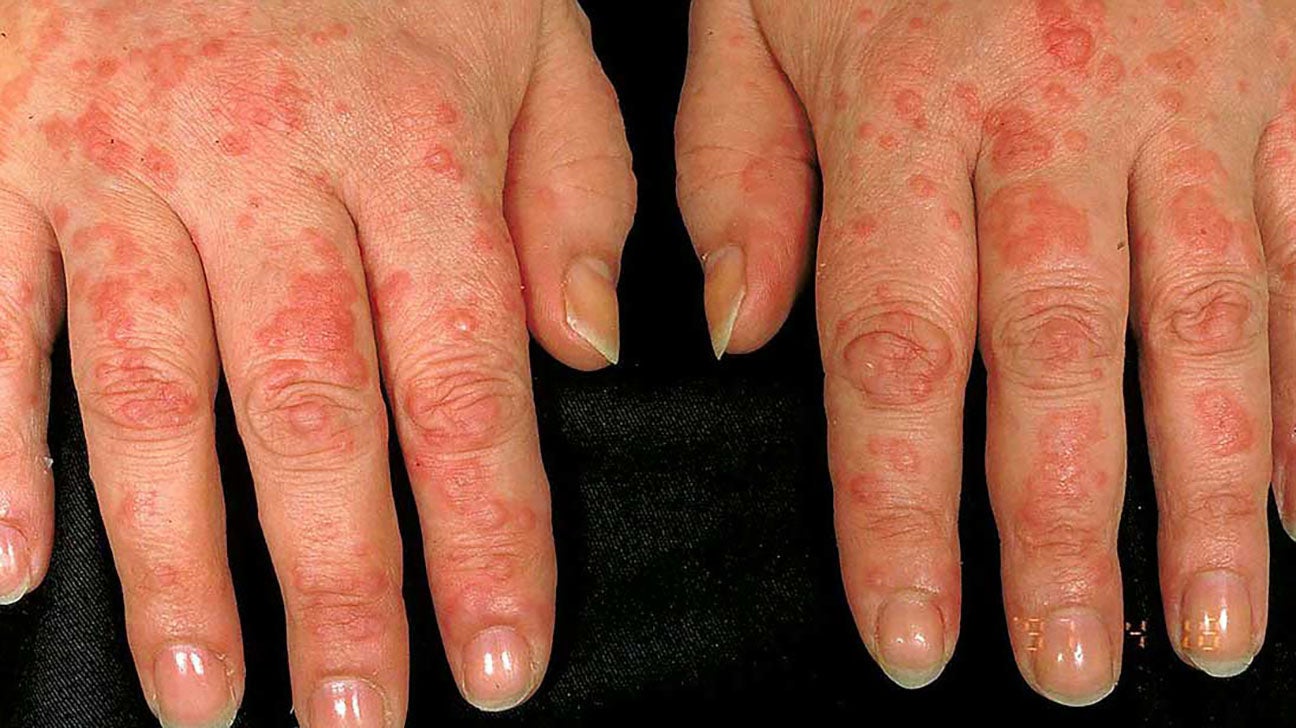
1. Is It an Allergy, Irritation, or Both?
When your hands become itchy and red under gloves, it could be due to an allergic reaction or irritation. Allergies to latex are quite common, affecting about 1% of the general population. If you are allergic to latex, your immune system overreacts to proteins found in natural rubber latex, leading to symptoms such as itching, redness, and even swelling.
Irritation, on the other hand, might not involve the immune system. It can result from prolonged exposure to moisture and friction inside the gloves, or contact with certain chemicals present in glove materials. Distinguishing between an allergy and an irritation is crucial as it influences the type of treatment you should seek.
2. First Aid: How To Calm the Itch and Redness Today
Immediate relief for itchy and red hands can be sought through simple first aid measures. Start by removing the gloves and gently washing your hands with lukewarm water and a mild soap. Pat your hands dry with a soft towel, ensuring you do not rub the skin, which might exacerbate the irritation.
Applying a cold compress can also help reduce itching and redness. Wrap some ice cubes in a cloth and apply it to the affected area for about 10 minutes. Avoid direct contact of ice with the skin to prevent frostbite.
3. The Best Over-The-Counter Creams and Ointments to Use Now
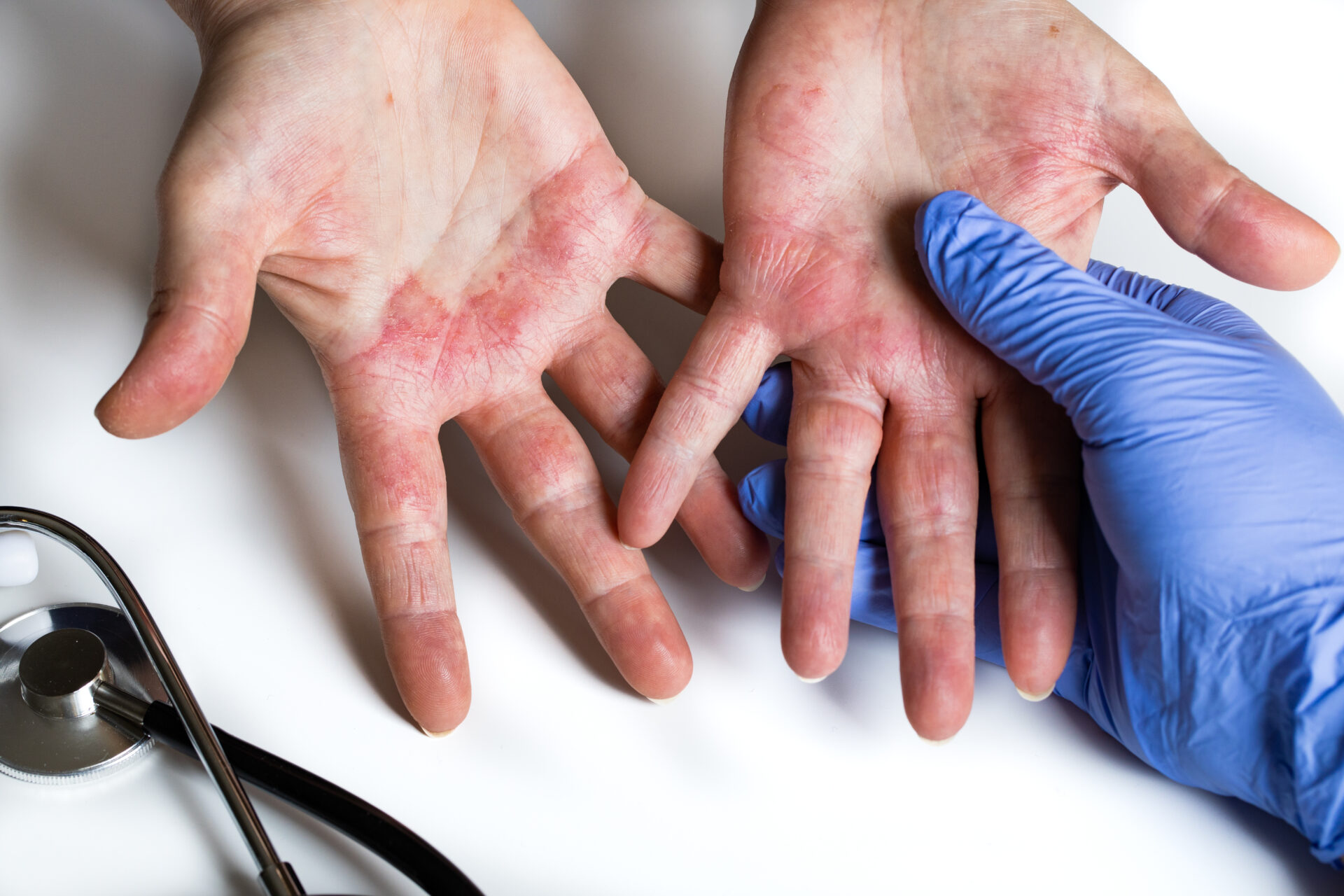
To soothe irritated skin, over-the-counter creams containing hydrocortisone can be very effective. Hydrocortisone 1% cream is readily available and can help reduce inflammation and itching. Apply a thin layer to the affected areas two to three times daily.
For those who prefer non-steroidal options, look for creams containing ceramides or colloidal oatmeal, which help restore the skin barrier and provide relief. Brands like Aveeno and CeraVe offer such formulations that are designed to soothe and hydrate irritated skin.
4. Choosing the Right Gloves: Materials That Are Kinder to Skin
Choosing the right glove material is essential to prevent irritation and allergic reactions. If you suspect a latex allergy, switch to gloves made of nitrile or vinyl, as these materials are less likely to cause allergic reactions.
If moisture is the issue, consider using gloves that are breathable or lined with cotton. This can help reduce sweating and friction, which are common irritants. Be sure to select gloves that fit well and do not constrict your hand movements, as tight gloves can exacerbate symptoms.
5. Smart Layering: Cotton Liners and Other Simple Barrier Tricks
Wearing a pair of thin cotton liners under your gloves can provide an additional barrier against irritants. Cotton is soft and breathable, which helps keep your hands dry and comfortable.
Ensure the liners are snug but not too tight, and that they are changed frequently to maintain hygiene. This simple trick can be particularly useful for people who need to wear gloves for extended periods.
6. Hand-Washing and Sanitizer Habits That Won’t Wreck Your Skin
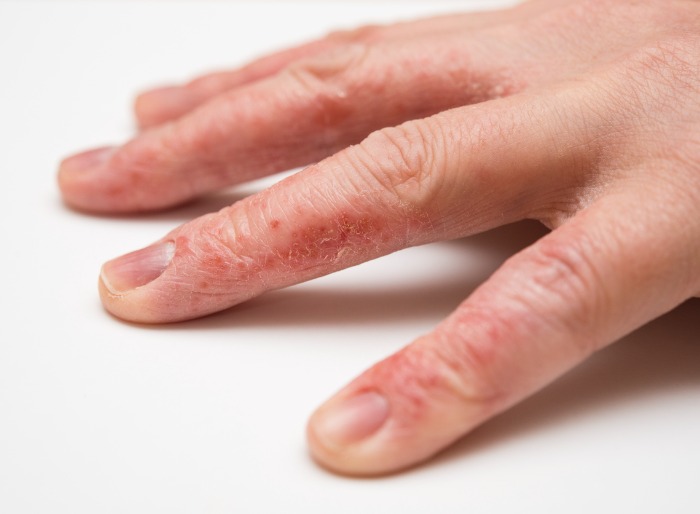
Frequent handwashing and the use of hand sanitizers can strip your skin of its natural oils, leading to dryness and irritation. Opt for a gentle, fragrance-free hand soap and moisturize immediately after washing to lock in moisture.
When using hand sanitizers, choose alcohol-free products or those containing moisturizing agents like aloe vera or glycerin. These will help minimize dryness while still keeping your hands clean.
7. Home Remedies That Dermatologists Actually Consider Safe
Several home remedies can provide temporary relief for itchy and red hands without causing further harm. Soaking your hands in a colloidal oatmeal bath for 15-20 minutes can reduce itching and soothe the skin.
Aloe vera gel is another safe option, known for its soothing and moisturizing properties. Apply pure aloe vera gel directly to irritated areas a few times a day to reduce redness and hydrate the skin.

8. What to Avoid: Common Triggers That Make Occlusive Dermatitis Worse
Avoid exposure to harsh chemicals, such as detergents and solvents, which can exacerbate skin irritation. If you must handle these substances, wear protective gloves and ensure they are made of skin-friendly materials.
Fragranced lotions and soaps should also be avoided, as these can cause further irritation. Opt for products labeled ‘hypoallergenic’ and ‘fragrance-free’ to minimize the risk of adverse reactions.
9. When You Still Have to Wear Gloves for Work
If your job requires you to wear gloves, take regular breaks to remove them and allow your skin to breathe. During breaks, apply a moisturizing cream to protect your skin barrier.
Ensure that you have several pairs of gloves so you can replace them frequently, especially if they become wet or soiled. This practice will help you maintain hygiene and reduce the risk of irritation.
10. Red-Flag Symptoms: When to Seek Urgent Care Before Your Appointment
If you experience severe symptoms such as intense itching, swelling, or blistering, seek medical attention before your scheduled appointment. These symptoms might indicate a more serious allergic reaction or infection that requires immediate intervention.
Additionally, if you notice any signs of infection, such as pus or an unpleasant odor, consult a healthcare professional promptly to prevent complications.
11. How to Prepare for Your Dermatology Visit So You Get Real Answers
In preparation for your dermatology appointment, keep a journal of your symptoms, noting when they occur and any potential triggers. This information can provide valuable insights to your dermatologist.
Bring any products you regularly use on your hands, including soaps, lotions, and gloves, to the appointment. This will help your dermatologist evaluate whether any of these items might be contributing to your symptoms.
RemedyDaily.com does not give medical advice, diagnosis, or treatment.