
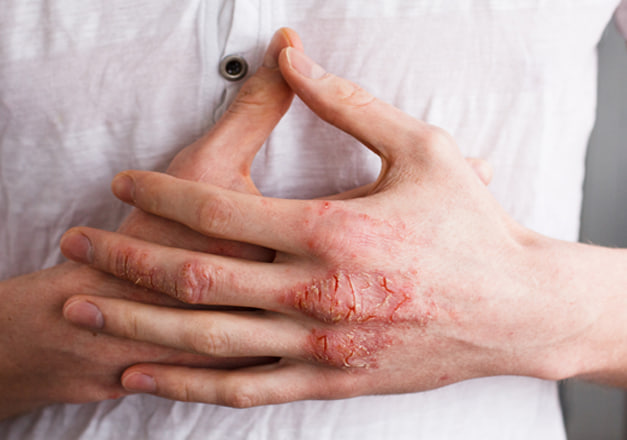
Understanding the causes and immediate remedies for cracked knuckles in cold weather is crucial for managing this condition. Thankfully, there are several practical steps and home remedies that can provide relief and help prevent further damage. This article will guide you through identifying the problem, implementing quick fixes, and preparing for future medical consultations.
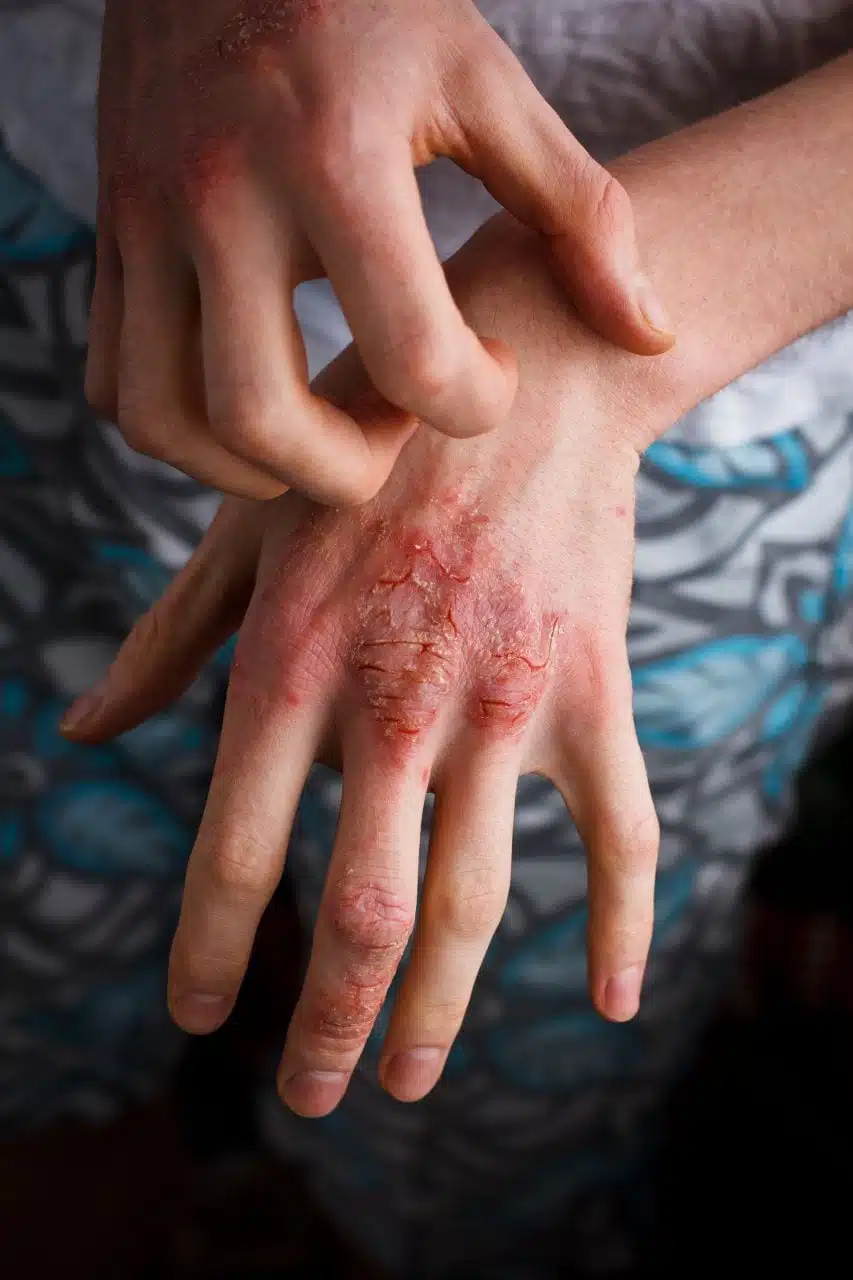
1. Is This Just Dry Skin Or Something More Like Hand Dermatitis?
Cracked knuckles in cold weather can often be attributed to simple dry skin. However, if you notice persistent redness, itching, or swelling, it might indicate hand dermatitis, a condition that requires more than just basic moisturization. Dry skin is largely due to the cold air stripping moisture, while dermatitis may involve allergens or irritants exacerbating the condition.
To determine if it’s just dry skin or something more, observe the symptoms closely. If the itching or redness spreads beyond the knuckles or if small blisters form, it’s more likely dermatitis. Additionally, dermatitis often persists despite the application of moisturizers and may benefit from topical steroids, but these are best prescribed by a healthcare professional.
2. Quick Checks: When Cracked Knuckles Are An Emergency
While cracked knuckles are often a minor issue, there are certain signs that indicate the need for immediate medical attention. If you notice pus, excessive redness, or if the pain becomes severe, these could be signs of an infection. An untreated infection can spread and lead to more serious complications, so it’s crucial to seek help if you observe these symptoms.
Another emergency sign is a fever accompanying your symptoms, which could indicate that the body is fighting off an infection. In such cases, visiting urgent care or an emergency room is advisable to prevent the condition from worsening.
3. The Fastest Moisture Fix: Soak, Then Seal With Thick Ointments
The quickest way to restore moisture to cracked knuckles is through a soak-and-seal technique. Begin by soaking your hands in lukewarm water for about 5-10 minutes. This helps to hydrate the skin directly. Immediately after soaking, apply a thick ointment or cream to seal in the moisture.
Products like petroleum jelly or ointments containing ceramides are particularly effective for this purpose. These occlusive agents form a protective barrier on the skin, preventing further moisture loss and allowing the skin to heal. Repeat this process two to three times a day for optimal results.
4. Smart Hand-Washing: Clean Without Stripping Your Skin Barrier
Frequent hand-washing, though essential for hygiene, can exacerbate skin dryness. To minimize damage, opt for lukewarm water instead of hot, and use a mild, fragrance-free soap. These choices help preserve the skin’s natural oils.
After washing, pat your hands dry gently with a soft towel and apply moisturizer immediately. This practice helps lock in moisture. Alcohol-based hand sanitizers can be particularly drying, so if they are necessary, follow up with a moisturizer right after use.
5. Overnight Repair: Cotton Gloves, Occlusive Layers, And Healing Routines
Nighttime offers an excellent opportunity for intensive skin repair. Before bed, apply a generous layer of a healing ointment or cream to your knuckles. Then, put on a pair of cotton gloves. This method traps moisture and enhances the penetration of the ointment.
Cotton gloves are breathable and prevent the ointment from rubbing off onto bedding. For severe cracks, you might consider using a hydrocolloid bandage under the gloves to promote healing. Consistent overnight treatment can significantly improve skin condition over time.
6. Shielding From The Cold: Gloves, Hand Warmers, And Microclimate Tricks
Protecting your hands from the cold is crucial to prevent further cracking. Always wear insulated gloves when outside, and consider layering thin cotton gloves underneath for added warmth. If you are outside for extended periods, hand warmers can provide additional heat and comfort.
Creating a microclimate for your hands by wearing gloves even indoors in very cold environments can help maintain skin moisture. Additionally, using a humidifier in your home increases the ambient moisture, benefiting your skin.
7. Everyday Habits That Quiet Burning And Itching Right Now
To manage the burning and itching associated with cracked knuckles, avoid scratching, as this can worsen the condition and lead to infection. Instead, apply a cool compress to the affected area for immediate relief.
Incorporate calming routines such as gentle hand massages with a moisturizing lotion that contains soothing ingredients like aloe vera or chamomile. These ingredients can help reduce inflammation and provide a cooling sensation that eases discomfort.
8. Simple Home Ingredients That Can Help (And What To Avoid)
Home remedies can provide temporary relief for cracked knuckles. Applying honey, which is a natural humectant, can help draw moisture into the skin. Alternatively, coconut oil serves as a natural moisturizer with antimicrobial properties, which can be beneficial for healing.
Avoid using overly acidic or harsh substances like lemon juice or vinegar directly on cracked skin, as they can cause irritation and worsen the condition. Stick to gentle, nourishing ingredients that support skin repair.
9. Bandaging Cracks Safely So You Can Still Use Your Hands
For deeper cracks that are painful, bandaging can offer protection and promote healing. Use a small adhesive bandage or a liquid bandage product to cover the crack. This not only protects the wound from dirt and bacteria but also keeps it moist—an essential factor for healing.
Ensure that the bandage is not too tight, as this can restrict circulation and exacerbate discomfort. Change the bandage regularly, especially if it becomes wet or soiled, to maintain cleanliness and effectiveness.
10. Budget-Friendly Products You Can Grab At Any Drugstore
Many affordable products are available at drugstores that can aid in relieving cracked knuckles. Look for thick, fragrance-free moisturizers like Eucerin or CeraVe, which contain ceramides and hyaluronic acid to reinforce the skin barrier.
Petroleum jelly is another budget-friendly option that works well as an occlusive to seal in moisture. Additionally, consider purchasing cotton gloves, which are inexpensive and effective for overnight treatments. These products are readily available and can be quickly incorporated into your skincare routine.
11. How To Prepare For A Future Doctor Visit While You’re Managing Alone
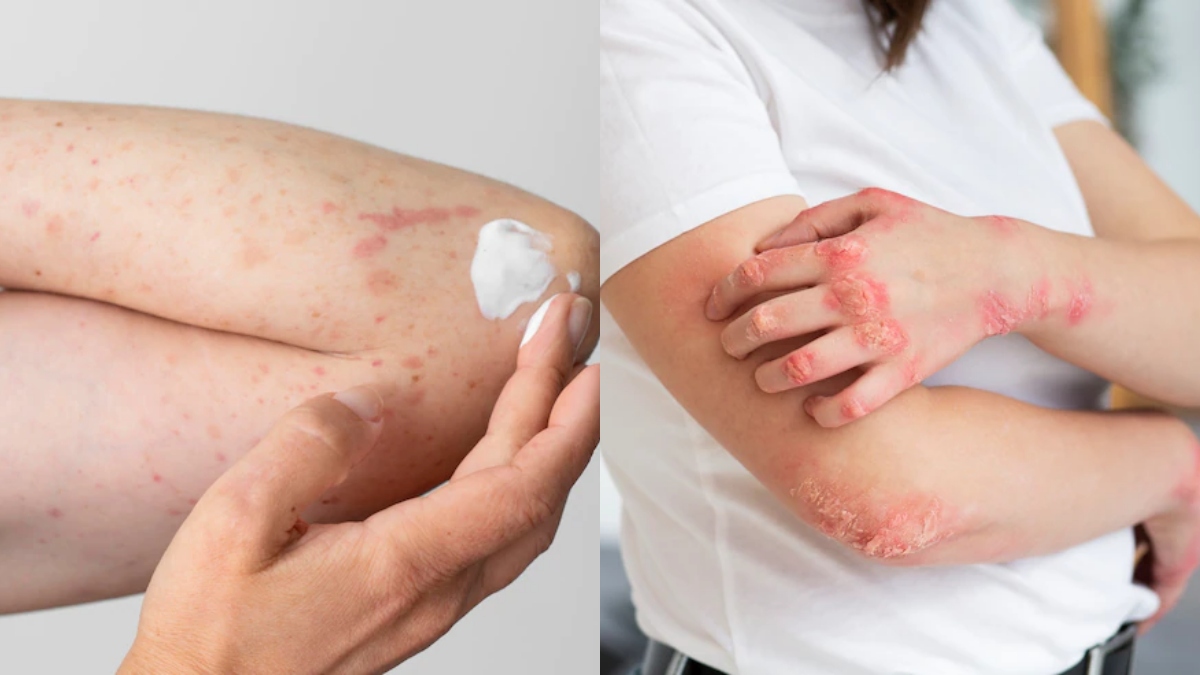
While managing cracked knuckles at home, it’s important to document your symptoms and any remedies you have tried. Keep a journal detailing when the symptoms occur, what seems to trigger them, and the effectiveness of different treatments.
This information will be valuable during a future doctor’s visit, as it can help them make a more accurate diagnosis and tailor a treatment plan to your specific needs. Additionally, if you experience any new or worsening symptoms, note these changes to discuss with your healthcare provider.
RemedyDaily.com does not give medical advice, diagnosis, or treatment.