

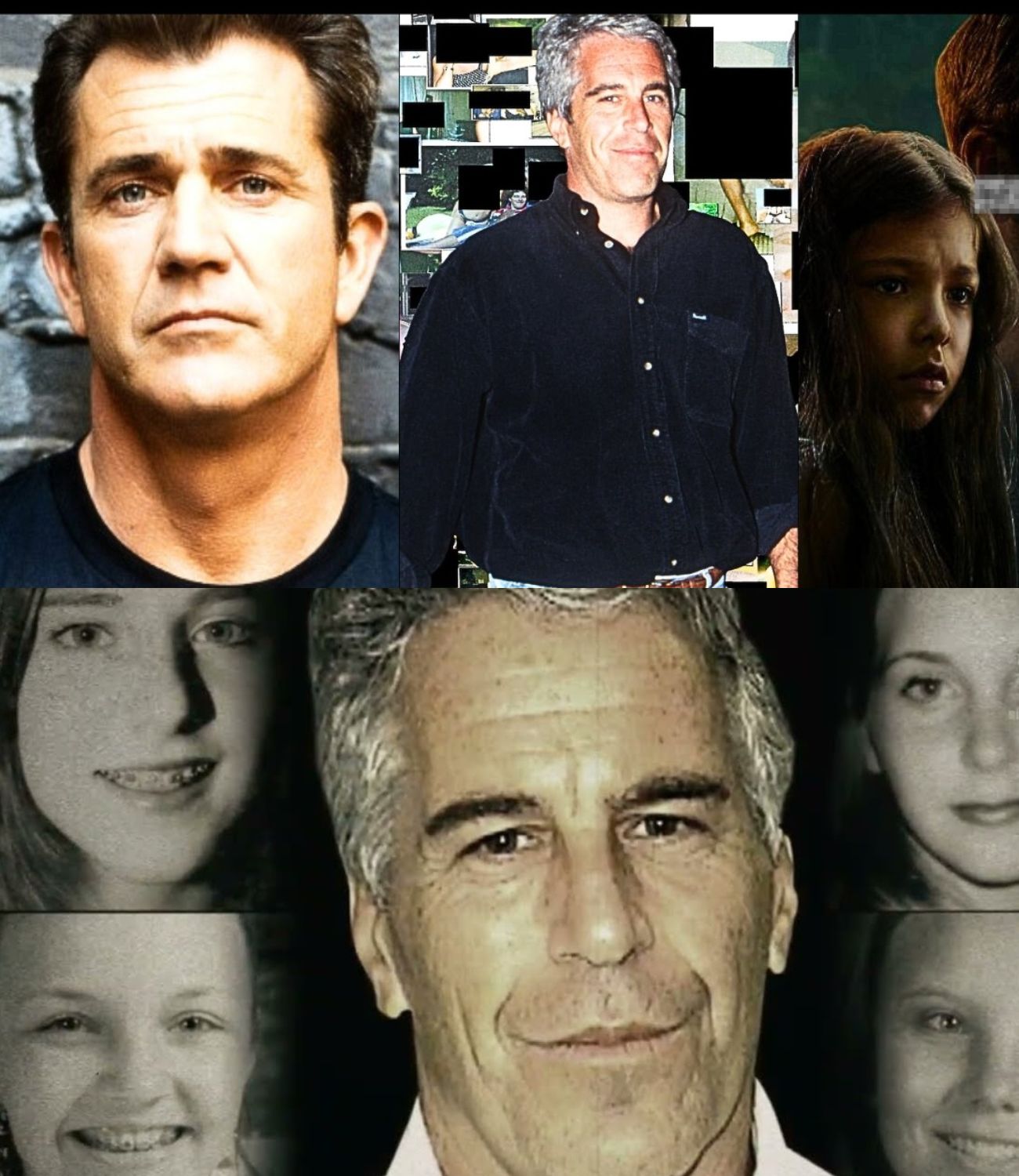
For decades, Hollywood’s glow has shaped how the public imagines fame, power, and success. That spotlight can also make it difficult to talk about uncomfortable subjects—especially when those subjects involve exploitation, coercion, and abuse. In that tension, a recurring narrative has emerged online: that certain insiders “knew” disturbing realities long before they became widely discussed, and that anyone who spoke too bluntly was mocked, sidelined, or dismissed.
One name frequently pulled into this narrative is Mel Gibson. Supporters argue that, as early as the 1990s, he warned about corruption and abuse hidden behind celebrity culture, and that he paid a reputational price for being outspoken. Critics counter that Gibson’s controversies and public behavior are enough to explain his strained relationship with major studios, without requiring larger explanations. What’s undeniable is that Gibson’s public image has long been polarizing—and that modern audiences often reassess old statements through the lens of newer headlines.
In recent years, two developments have intensified this debate: the intense public reaction to the film Sound of Freedom, and the continuing public attention around Jeffrey Epstein’s criminal case, related legal documents, and wider questions about how powerful people evade accountability. Together, these topics have created a volatile mix—part moral urgency, part political identity, part media argument, and part internet mythology.
The “Hollywood Curtain” and Why People Believe It Exists
Hollywood is not one institution. It’s an industry: studios, financiers, publicists, agencies, distribution pipelines, critics, streaming platforms, and social networks. When the industry works well, it turns creative projects into global cultural moments. When it fails—especially in high-profile scandals—it can look like a machine built to protect itself.
That perception creates fertile ground for sweeping claims. Some commentators describe an “unspoken code” in elite spaces: keep your emotions controlled, don’t break ranks publicly, and don’t challenge the people who can end careers with a phone call. Whether one calls that “silencing” or simply “how power operates,” the effect is similar—people learn quickly which topics are safe and which topics can trigger professional consequences.
In that context, Gibson’s defenders portray him as an early skeptic of the industry’s moral posture. They argue he spoke in dramatic, moralistic terms about corruption and betrayal within powerful circles—and that he became a convenient target for ridicule. The counterargument is simpler: Gibson’s controversies, conflicts, and public incidents explain the backlash without needing broader theories. Both interpretations exist in public discourse, and the internet often treats the most cinematic version as the most compelling.
Epstein: A Real Case That Fueled Wider Narratives
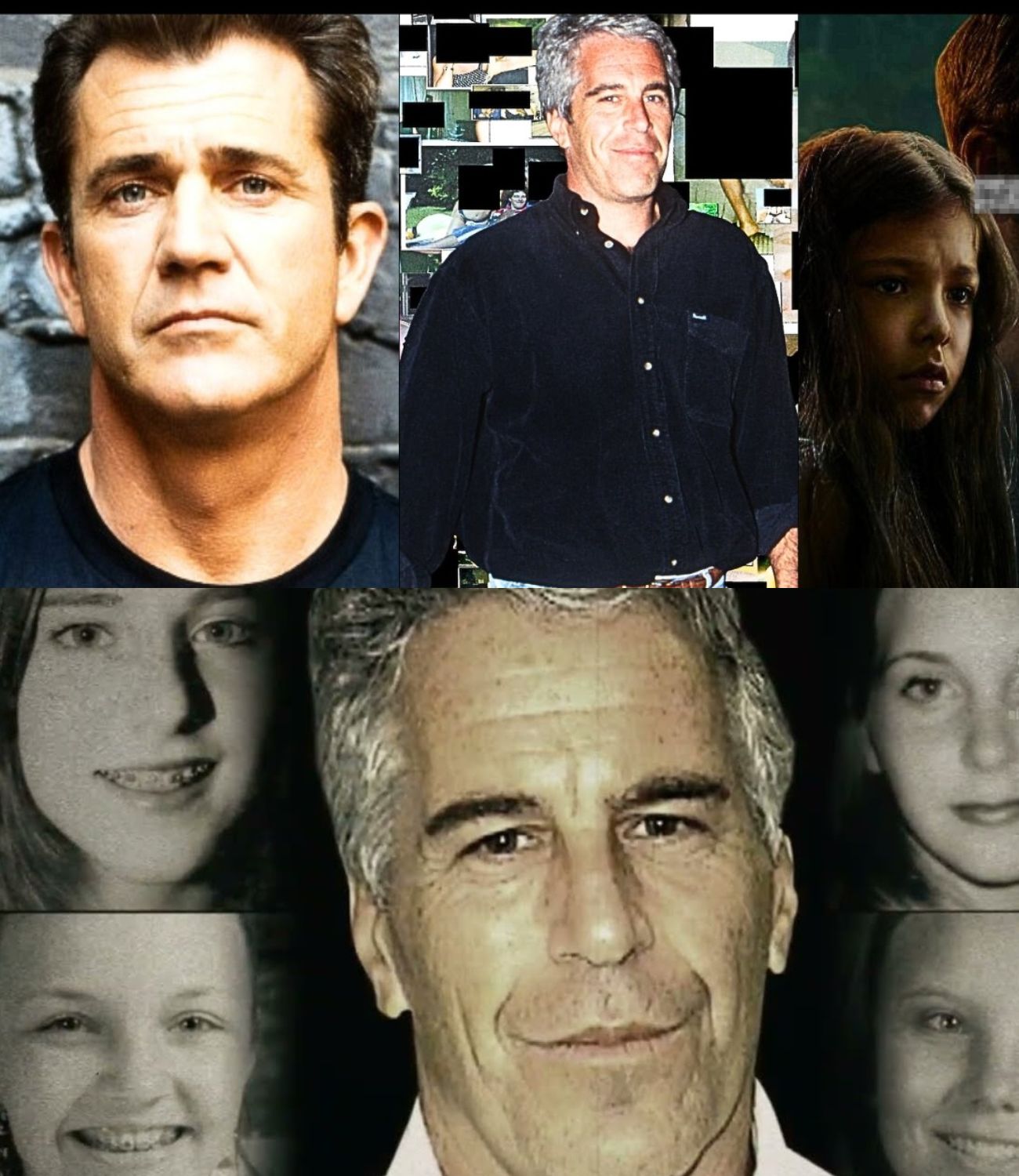
Jeffrey Epstein’s criminal prosecution and the surrounding coverage exposed disturbing realities about exploitation and how networks of wealth can complicate accountability. The case also generated extensive speculation—some careful and evidence-based, some not. Publicly released materials, reporting, and later legal filings have fueled ongoing debate about who knew what, when, and how influence functions around high-profile offenders.
Because of that, Epstein’s name has become shorthand online for “elite impunity.” This shorthand can be emotionally powerful, but it also creates a problem: it encourages people to fill gaps with assumptions. Some narratives jump from “this happened” to “there must be a single coordinated system behind it,” and then to naming specific people or institutions as inherently complicit. That leap is where monetization risk and credibility risk both spike.
A safer, more accurate framing is this: Epstein’s crimes were real and prosecuted. The public discussion around them reflects both legitimate questions about power and accountability, and a large amount of speculation that should not be treated as confirmed fact.
“Sound of Freedom” and the Culture-War Effect
Sound of Freedom arrived in a cultural moment primed for conflict. Some viewers experienced the film primarily as a call to protect vulnerable people. Others viewed it through political lenses, arguing it was amplified or criticized for ideological reasons. A third group focused on filmmaking choices, marketing, and the online ecosystem that grew around it.
Because the subject matter is emotionally charged, discussion quickly became less about the film itself and more about what the film symbolized. That’s why some online commentary frames criticism of the film as proof of a cover-up, while others frame praise as proof of manipulation. In reality, the response can be explained without extreme assumptions: controversial topics draw attention; attention becomes identity; identity becomes conflict; and conflict drives engagement.
Still, the film’s popularity did one thing clearly: it pushed more people to talk about exploitation, grooming tactics, and prevention. It also reminded audiences that serious social issues can be pulled into online narratives that mix fact, opinion, and sensationalism in ways that are hard to untangle.
Reputations, Media Cycles, and the “Whistleblower” Archetype
The article’s original framing treats Gibson as a suppressed witness—someone punished for “telling the truth.” That story fits a classic archetype: the lone voice mocked until vindication arrives. It’s a satisfying arc, but real life is usually messier.
In practice, reputations in entertainment are shaped by many forces at once: public behavior, legal risk, insurability on productions, professional relationships, audience demand, and corporate brand strategy. A person can be controversial for multiple reasons simultaneously—some related to what they say, others to how they say it, and others to unrelated choices. When people look back later, they often connect events into a single line of cause-and-effect, even when the historical record is more complicated.
A more responsible conclusion is not “he was right about everything,” but: public scandals and proven criminal cases can cause audiences to re-evaluate older comments about power. That re-evaluation can be understandable without declaring that every dramatic claim is validated.
What We Can Learn Without Overreaching
If there’s a useful takeaway from the overlap of Gibson discourse, Epstein coverage, and Sound of Freedom’s reception, it’s this:
-
Exploitation is real, and prevention matters.
Conversations about safeguarding, reporting, and victim support are important—especially when conducted with care and accuracy. -
Power can distort accountability.
Wealth and influence can create obstacles to justice, whether through expensive legal defense, intimidation, or institutional reluctance. -
Viral narratives often blur fact and inference.
When people say “it’s obvious,” they may be expressing a feeling rather than citing evidence. That doesn’t make the feeling meaningless, but it does change how claims should be presented. -
Media criticism is not proof of a cover-up.
Sometimes criticism is just criticism; sometimes it’s biased; sometimes it’s commercial. Treating every negative review as coordinated suppression usually says more about online polarization than about hidden control. -
Protecting the vulnerable is not a trend.
It’s a long-term responsibility that works best with verified information, credible organizations, and clear reporting pathways—rather than sensationalism.